That sharp jolt from a cold drink, a spoonful of ice cream or even brushing can make everyday routines feel stressful. The right sensitive toothpaste options can reduce discomfort for many people, but the best choice depends on why your teeth are sensitive in the first place.
Sensitivity is not something you simply have to put up with. It can occur when the protective enamel is worn, gums have receded, a tooth is cracked, or an old filling is no longer sealing well. A toothpaste designed for sensitivity may help settle symptoms, while a dental examination can identify whether there is an underlying problem that needs treatment.
How toothpaste can reduce sensitivity
Under enamel and gum tissue is dentine, a layer containing tiny channels that lead towards the nerve inside the tooth. When dentine is exposed, temperature changes, sweet foods, acidic drinks and brushing can trigger the familiar sudden pain.
Sensitive toothpastes work in two main ways. Some ingredients help block those tiny channels, reducing the movement that causes pain. Others help calm the nerve response over time. Neither approach repairs decay, a fractured tooth or advanced gum disease, which is why ongoing or severe sensitivity should never be self-diagnosed as a toothpaste issue.
Most people need to use a sensitivity toothpaste consistently for at least two to four weeks before judging the result. It is not usually an instant fix, although some products are made to offer quicker short-term relief when used as directed. If the toothpaste is helping, keep using it rather than switching back and forth between several products.
Sensitive toothpaste options and active ingredients
The label matters more than the marketing language on the front of the box. Look for a toothpaste made for sensitive teeth with fluoride, then consider the active ingredient and how your mouth responds to it.
Potassium nitrate
Potassium nitrate is a common sensitivity ingredient. It works by helping reduce the nerve’s response to triggers, rather than physically covering exposed dentine. It is often a good starting point for people with general cold sensitivity across several teeth.
This option usually requires regular use and a little patience. If you stop using it once the discomfort settles, sensitivity may gradually return. Choose a fluoride version to maintain protection against tooth decay as well.
Stannous fluoride
Stannous fluoride can help with sensitivity while also strengthening enamel and offering protection against decay. It may help block exposed dentine channels and can be particularly useful where early enamel wear is part of the picture.
Formulations vary between brands. Some people notice a temporary change in taste or, less commonly, surface staining. Professional cleaning can usually address external staining, but it is worth mentioning any changes at your regular visit.
Arginine and calcium-based formulas
Some toothpastes use arginine combined with calcium compounds, or other mineral-based technologies, to form a protective layer over exposed dentine. These can be a sensible option for people who have not found relief with another active ingredient.
There is no single ingredient that suits every mouth. If one suitable toothpaste has been used consistently for several weeks without improvement, changing to a different active ingredient may be more helpful than simply buying a more expensive version of the same formula.
Low-abrasion and whitening toothpastes
A toothpaste can be labelled for sensitivity yet still be marketed for whitening. Whitening toothpastes typically remove surface stains through polishing agents, and some can feel too harsh for teeth with enamel wear or exposed roots. They will not change the natural shade of your teeth in the way professional whitening can.
If sensitivity is active, prioritise a gentle, fluoride sensitivity toothpaste over aggressive whitening. You can discuss safer cosmetic options once the cause of the sensitivity is under control.
Choosing a toothpaste for your situation
Start by thinking about when and where the discomfort happens. Sensitivity across several teeth after cold foods, especially if you have gum recession or brush firmly, may respond well to a daily desensitising toothpaste and a gentler brushing routine. Sensitivity after whitening may be temporary, but it still deserves attention if it is intense or persistent.
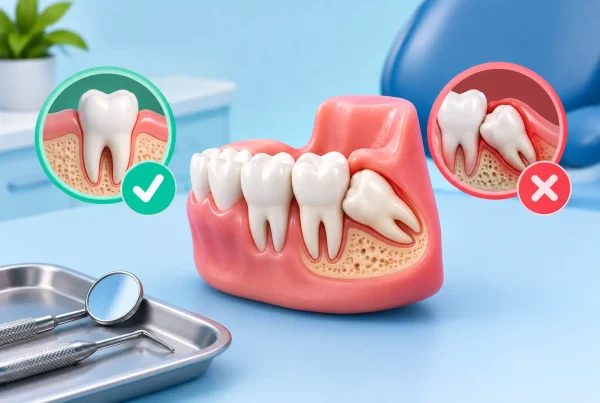
Pain in one tooth, pain when biting, or a sudden change in sensitivity is different. These symptoms may point to a crack, decay, a loose filling, gum infection or a problem with the tooth nerve. Toothpaste may lessen the feeling for a time, but it cannot resolve the cause.
When choosing from the supermarket or pharmacy shelf, look for fluoride first. For most adults, a standard fluoride toothpaste is appropriate for everyday protection. Your dentist may recommend a higher-fluoride product if you have a high risk of decay, dry mouth, extensive restorative work or significant enamel wear. This should be tailored to your dental history rather than chosen at random.
Price can be a consideration for many households. A basic sensitivity toothpaste with a suitable active ingredient and fluoride can be effective when used correctly. You do not need to buy every product in the range. Consistency, brushing technique and treating the reason behind sensitivity make the greater difference.
Make your toothpaste work harder
Brush twice a day using a soft-bristled toothbrush and light pressure. Scrubbing hard does not make teeth cleaner, but it can wear enamel near the gumline and contribute to gum recession. Angle the bristles gently towards the gums and use small movements rather than a vigorous back-and-forth action.
After brushing, spit out the excess toothpaste but avoid rinsing immediately with water. This allows fluoride and the active ingredients to remain on the teeth for longer. If your dentist recommends applying a small smear of sensitivity toothpaste directly to a sensitive spot, follow their instructions carefully.
Acid can also make sensitivity worse. Soft drinks, sports drinks, citrus, wine and frequent snacking can soften enamel. Reducing how often acidic foods and drinks are consumed is often more realistic and more effective than trying to eliminate every item completely. After something acidic, wait around 30 minutes before brushing so softened enamel is not brushed away.
A night guard may be worth discussing if you clench or grind your teeth. Grinding can create cracks and wear that no toothpaste can prevent on its own. Similarly, dry mouth caused by medication, medical treatment or mouth breathing can increase decay risk and sensitivity, so it deserves personalised advice.
When sensitivity needs a dental appointment
Book an appointment promptly if sensitivity lasts longer than a few weeks despite regular use of an appropriate toothpaste, becomes more intense, wakes you at night or affects one specific tooth. Seek timely care if there is swelling, a bad taste, fever, facial pain, or pain when you bite down.
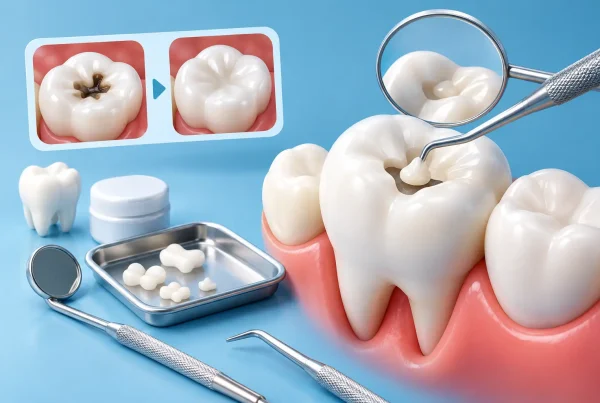
A dental examination can check for decay, cracks, leaking restorations, gum recession, erosion and signs of grinding. Depending on the cause, treatment may include fluoride applications, a filling, repair or replacement of a restoration, gum care, a protective night guard, or more involved treatment for an infected tooth. Addressing the problem early is generally gentler and more budget-conscious than waiting for pain to worsen.
At Riverina Dental Albury, we take the time to explain what is causing your sensitivity and what your practical options are. A personalised plan can combine the right toothpaste advice with treatment that protects the tooth and helps you eat, drink and smile more comfortably.
A sensitive toothpaste is a useful everyday tool, not a test of how much pain you can tolerate. If cold water still makes you wince or you are changing what you eat to avoid discomfort, a calm conversation with your dentist can give you clearer answers and lasting relief.