Bleeding gums are easy to dismiss, especially when life is busy. But gums that bleed during brushing or flossing are not usually a sign to stop cleaning – they are often a sign that plaque has been left to build up. The best habits for healthy gums are simple, consistent and far more effective when started before soreness, swelling or bad breath become everyday problems.
Your gums support every tooth in your smile. Looking after them can help prevent gingivitis, reduce the risk of more serious gum disease and protect the dental work you may already have, including implants, bridges or dentures. Small daily choices matter, but so does knowing when professional care is needed.
1. Brush twice a day with a gentle technique
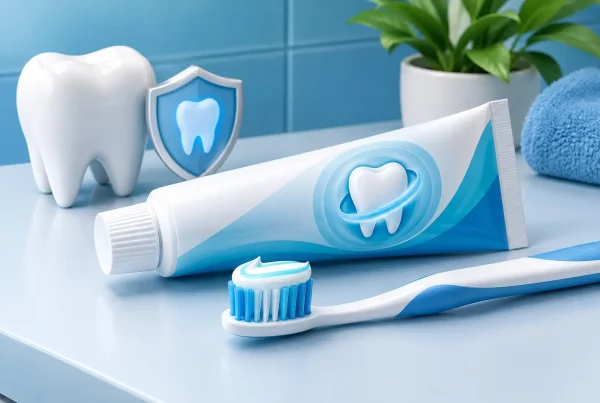
Brushing morning and night removes plaque from the teeth and gumline. Aim for two minutes each time, using a soft-bristled toothbrush and fluoride toothpaste. Hard bristles and forceful scrubbing do not produce a deeper clean. They can irritate the gums and, over time, contribute to wear around the necks of teeth.
Place the brush at a slight angle towards the gumline and use small, gentle movements. Clean the outer, inner and chewing surfaces of every tooth. The areas behind the lower front teeth and around the back molars are commonly missed, so slow down there.
An electric toothbrush can be useful for people who rush, have limited hand movement or find it difficult to maintain a light touch. A manual brush can work just as well when the technique is sound. The best option is the one you will use properly every day.
2. Clean between your teeth every day
A toothbrush cannot effectively clean the tight spaces between teeth. This is where plaque can sit undisturbed and cause gum inflammation, even in someone who brushes carefully twice a day.
Interdental brushes, floss and water flossers can all have a place, but the right choice depends on the spaces between your teeth, the health of your gums and any dental work you have. Interdental brushes are often particularly effective where there is enough room between teeth. Floss may suit tighter contact points. If you have braces, bridges, implants or crowded teeth, your dentist can show you the safest and most practical method.
Some bleeding when you first begin cleaning between your teeth is common if the gums are inflamed. Keep going gently for a week or two. Healthy gums should gradually become less tender and bleed less. If bleeding continues, book a dental appointment rather than simply changing products.
3. Do not rinse away toothpaste straight after brushing
After brushing, spit out the excess toothpaste but try not to rinse your mouth with water straight away. This leaves a light coating of fluoride on the teeth, helping to strengthen enamel and reduce decay risk.
If you use mouthwash, it is generally better at a different time of day rather than immediately after brushing. Mouthwash can freshen breath, but it does not replace brushing or cleaning between teeth. For persistent gum concerns, choose products based on professional advice rather than a strong taste or a promising label.
Best habits for healthy gums at mealtimes
What you eat and drink affects the bacteria in your mouth. Frequent sugary snacks, soft drinks, sports drinks and sweetened coffee can feed plaque bacteria throughout the day. The resulting acids can affect both teeth and gums.
You do not need a perfect diet to support your oral health. Focus on reducing how often sugary or acidic items are consumed, rather than worrying about the occasional treat. Keeping these foods and drinks to mealtimes gives your saliva more opportunity to neutralise acids between eating occasions.
Water is the simplest everyday choice, particularly after meals. Chewing sugar-free gum can also help stimulate saliva when brushing is not possible, although it is not a substitute for your usual routine. A balanced diet with plenty of vegetables, protein and whole foods supports general health, which includes the health of your gums.
4. Give your mouth time after acidic food and drink
If you have had citrus, wine, soft drink or another acidic drink, avoid brushing immediately afterwards. Acid temporarily softens the tooth surface, and brushing too soon can increase wear. Rinse with water and wait around 30 minutes before brushing.
This does not mean avoiding all acidic foods. It means being mindful of frequent sipping and grazing, which gives acids repeated chances to act on your teeth. If reflux or frequent vomiting is affecting your mouth, speak with both your doctor and dentist. These issues can cause significant tooth wear and may need a tailored plan.
5. Avoid smoking and be aware of vaping
Smoking is one of the strongest risk factors for gum disease. It affects blood flow and the body’s ability to heal, which can make gum problems harder to detect and harder to treat. Smokers may not always see the same degree of bleeding, even when gum disease is present.
Vaping is not a harmless alternative for oral health. It can contribute to dry mouth and expose tissues to irritating substances. Quitting can be difficult, and support matters. If you are considering stopping, speak with your GP or a quit service and let your dental team know so they can factor this into your care.
6. Pay attention to dry mouth
Saliva helps wash food particles away, neutralise acids and protect the mouth. A dry mouth can increase the risk of decay, bad breath and gum irritation. It can be linked to medications, mouth breathing, dehydration, some health conditions, alcohol, smoking or cannabis use.
Sipping water regularly may help, but persistent dryness deserves a conversation with your dentist or GP. Do not stop prescribed medication without medical advice. Sometimes a change in routine, a saliva-supporting product or more frequent preventive care can make a meaningful difference.
7. Know the early signs of gum disease
Gingivitis is the early stage of gum disease and is often reversible with thorough daily cleaning and professional removal of hardened plaque, known as calculus. Left untreated, it can progress to periodontitis, where the supporting structures around the teeth are damaged. This damage cannot always be reversed.
Book an assessment if you notice gums that bleed, look red or swollen, feel sore, pull away from teeth or produce an ongoing unpleasant taste. Persistent bad breath, loose teeth, changes in the way your teeth meet, or pus around the gums also need prompt attention. Gum disease is not always painful, which is why waiting for severe discomfort is not a safe approach.
Pregnancy can also make gums more sensitive to plaque because of hormonal changes. Gentle, regular dental care is especially worthwhile if you are pregnant and notice bleeding or swelling.
8. Keep regular dental check-ups and cleans
Even excellent home care cannot remove calculus once it has hardened onto teeth. Regular examinations and professional cleans allow your dentist and oral health team to check the gum pockets around your teeth, identify changes early and remove deposits from difficult areas.
The right recall interval depends on your individual risk. Some people may be suitable for six-monthly visits, while those with a history of gum disease, smoking, diabetes, dry mouth or complex restorative work may benefit from more frequent review. A personalised schedule is more useful than following a one-size-fits-all rule.
9. Manage health conditions as part of gum care
Gum health and general health are closely connected. Diabetes, for example, can make gum inflammation harder to control, while active gum disease can make blood sugar management more challenging. Stress can also affect routines and immune response, and some medicines may cause dry mouth or gum enlargement.
Tell your dentist about changes to your medical history or medication. This helps shape practical advice and safer treatment planning. There is no judgement in these conversations – accurate information simply helps your care team look after you properly.
10. Make the routine easy enough to keep
The healthiest routine is the one that happens consistently. Keep your toothbrush and interdental cleaning tools where you will use them, and tie the habit to something already established, such as getting ready for bed. If you are tired, doing a careful basic clean is still better than skipping it altogether.
For patients who feel anxious about dental visits or have put off care because of cost, start with an examination and a clear discussion of priorities. At Riverina Dental Albury, treatment planning can be staged around your oral health needs, comfort and budget. A gentle first step can prevent a manageable gum problem from becoming a more complex one.
Your gums should not be an afterthought. If they are bleeding, swollen or simply not feeling right, giving them attention now is a practical investment in keeping your natural teeth comfortable and strong for years to come.