
You usually notice it in small ways first – a bit more staining near the gumline, that fuzzy feeling even after brushing, or gums that bleed when you floss. If you have been wondering how often should you get teeth cleaned, the short answer is every six months for many adults. But that is not a rule that suits everyone, and your ideal schedule depends on your mouth, your habits, and your risk of future dental problems.
A professional clean is not just about making teeth look better. It is part of preventing gum disease, spotting trouble early, and keeping everyday dental care simpler and less costly over time. For many patients, regular visits mean fewer surprises and less need for more involved treatment later on.
How often should you get teeth cleaned for most adults?
For most adults, a scale and clean every six months is a sensible starting point. That timing works well because plaque can harden into tartar in places your toothbrush and floss cannot fully reach. Once tartar builds up, it needs to be removed professionally.
Six-monthly cleans also give your dentist or oral health professional a regular chance to check for early signs of gum inflammation, tooth decay, worn fillings, grinding, and other issues that can quietly develop between visits. When problems are picked up early, treatment is usually simpler, more comfortable, and more affordable.
That said, six months is a guide, not a guarantee. Some people can safely go a little longer. Others genuinely need to come in every three or four months to keep their gums stable and their teeth in good shape.
Why the right cleaning schedule depends on you
Dental care is personal. Two people can brush twice a day and still need very different recall intervals.
If you build up tartar quickly, have a history of gum disease, smoke or vape, live with dry mouth, or have medical conditions that affect oral health, you may need cleans more often. The same applies if you have dental implants, braces, bridges, crowns, or areas that are simply harder to keep clean at home.
On the other hand, if your gums are healthy, you do not get much tartar, and you maintain excellent home care, your dentist may recommend stretching your cleans a little beyond the standard six months. That decision should be based on an examination, not guesswork.
Signs you may need teeth cleaning more often
A lot of people assume they will feel it if their teeth need attention. Sometimes you do, but not always. Gum disease in particular can begin quietly.
You may need more frequent professional cleaning if your gums bleed when brushing or flossing, your breath stays unpleasant even with good oral hygiene, or your teeth often feel coated or rough. Staining that returns quickly can also suggest plaque and tartar are building up faster than usual.
Other clues include gum tenderness, gum recession, tooth sensitivity around the gumline, or being told in the past that you have gingivitis or periodontitis. If that sounds familiar, waiting a full six months may be too long.
If you have gum disease, the timeline changes
This is one of the clearest examples of why the answer to how often should you get teeth cleaned is not always twice a year. If you have active gum disease or a history of it, your dentist may recommend maintenance cleans every three to four months.
That is not over-servicing. It is often the best way to reduce harmful bacteria before inflammation flares again. Regular periodontal maintenance can help protect bone support around the teeth and lower the risk of further damage.
What happens if you wait too long between cleans?
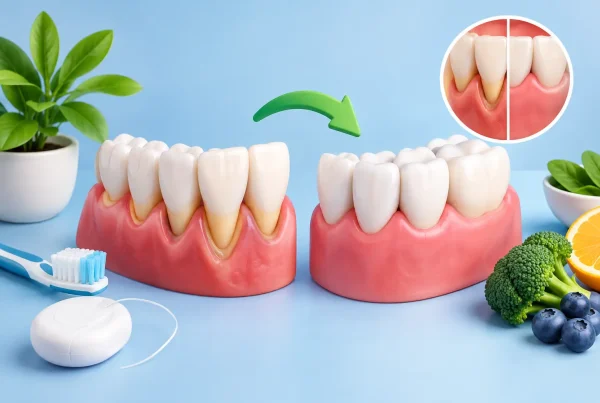
The biggest issue is that plaque does not stay soft forever. It hardens, collects around the gumline, and creates a better environment for bacteria. Over time, that can lead to gingivitis, then more advanced periodontal disease if it is left unmanaged.
Long gaps between cleans can also mean stains become more stubborn, bad breath lingers, and small problems go unnoticed. A tiny cavity or early cracked filling is far easier to manage than a toothache that shows up suddenly on a weekend.
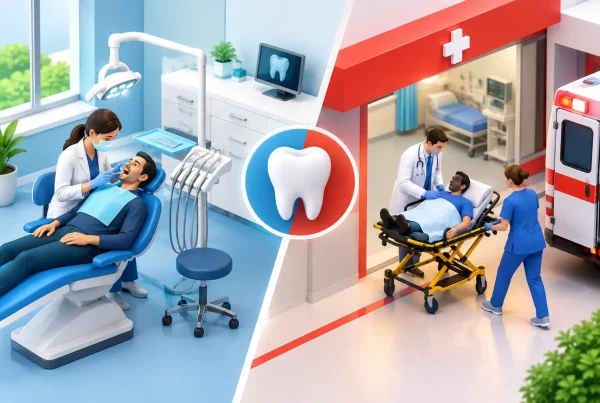
For cost-conscious households, preventive care is usually the better value. Routine cleans and check-ups are more manageable than emergency treatment or major restorative work that may have been avoidable.
Professional cleans still matter if you brush and floss well
Good home care makes a real difference, but it does not replace professional cleaning. Even very thorough brushers miss areas, especially behind lower front teeth, around molars, and near the gums. If you have tightly packed teeth, restorations, or orthodontic appliances, cleaning every surface properly becomes even harder.
A professional clean removes hardened deposits you cannot remove yourself. It also gives you feedback on technique. Sometimes a small change in brushing angle, flossing method, or the type of interdental cleaner you use can improve your oral health more than you would expect.
How often should you get teeth cleaned if you smoke, grind, or have dental work?
Lifestyle and existing dental treatment can shift the recommendation.
Smoking and vaping increase the risk of gum disease and can make it harder for gums to heal well. People who smoke often benefit from more frequent cleans because plaque, tartar, staining, and periodontal issues tend to build up faster.
If you grind your teeth, regular check-ups alongside cleans help monitor wear, fractures, and gum recession. Grinding itself does not always mean more frequent scaling, but it does justify closer review.
For patients with implants, bridges, crowns, dentures, or Invisalign attachments and retainers, maintenance matters. These restorations and appliances can create plaque traps. More frequent appointments may help protect both the dental work and the teeth or gums supporting it.
What to expect at a routine teeth cleaning appointment
If it has been a while, many people worry the visit will be uncomfortable or a lecture. A good preventive appointment should feel supportive, clear, and tailored to you.
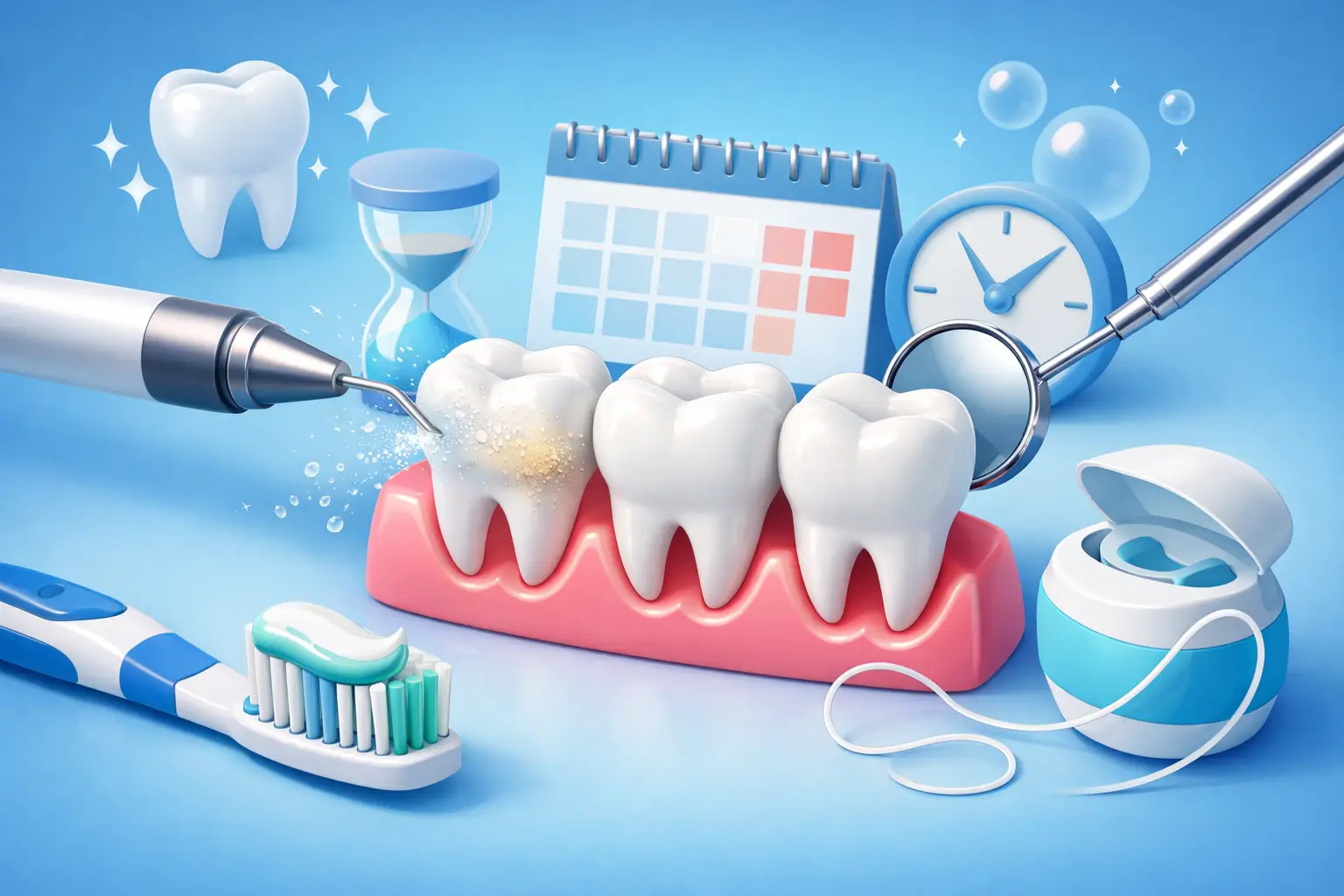
A routine visit often includes an examination, gum health checks, and a scale and clean to remove plaque and tartar. Polishing may be used to help lift surface stains, and fluoride may be recommended depending on your risk of decay. You should also leave knowing whether your current home care is enough or whether a different schedule would better protect your oral health.
For anxious patients, gentle care matters just as much as clinical skill. If you are nervous, let the team know. Small adjustments in pace, communication, and comfort measures can make a big difference.
So, what is the best schedule for you?
If you want the simplest answer, start with every six months. That is the standard recommendation for a reason. It suits many adults and gives enough regular contact to catch changes before they turn into bigger problems.
But if your gums bleed, you have had gum disease before, tartar builds up quickly, or you have restorations that are harder to maintain, more frequent cleans may be the right call. If your mouth is very healthy and stays that way consistently, your dentist may suggest a different interval.
At Riverina Dental Albury, this is exactly why recall appointments are not treated as one-size-fits-all. A personalised schedule gives you care that matches your needs, your comfort, and your budget rather than forcing everyone into the same pattern.
The best time to book is before your mouth starts telling you something is wrong. A clean done at the right interval is one of the simplest ways to stay ahead of pain, protect your smile, and make future dental visits easier on yourself.