
A tooth can be knocked out in seconds – during sport, a fall on the driveway, or an accidental bump at home. If you are wondering what to do for a knocked out tooth, the first thing to know is that acting quickly can make a real difference. In some cases, a permanent tooth can be saved, but the window is short.
It is a frightening moment, especially if there is bleeding, pain, and plenty of panic around you. The good news is that a calm response and a few simple steps can protect the tooth and give your dentist the best chance of putting it back successfully.
What to do for a knocked out tooth straight away
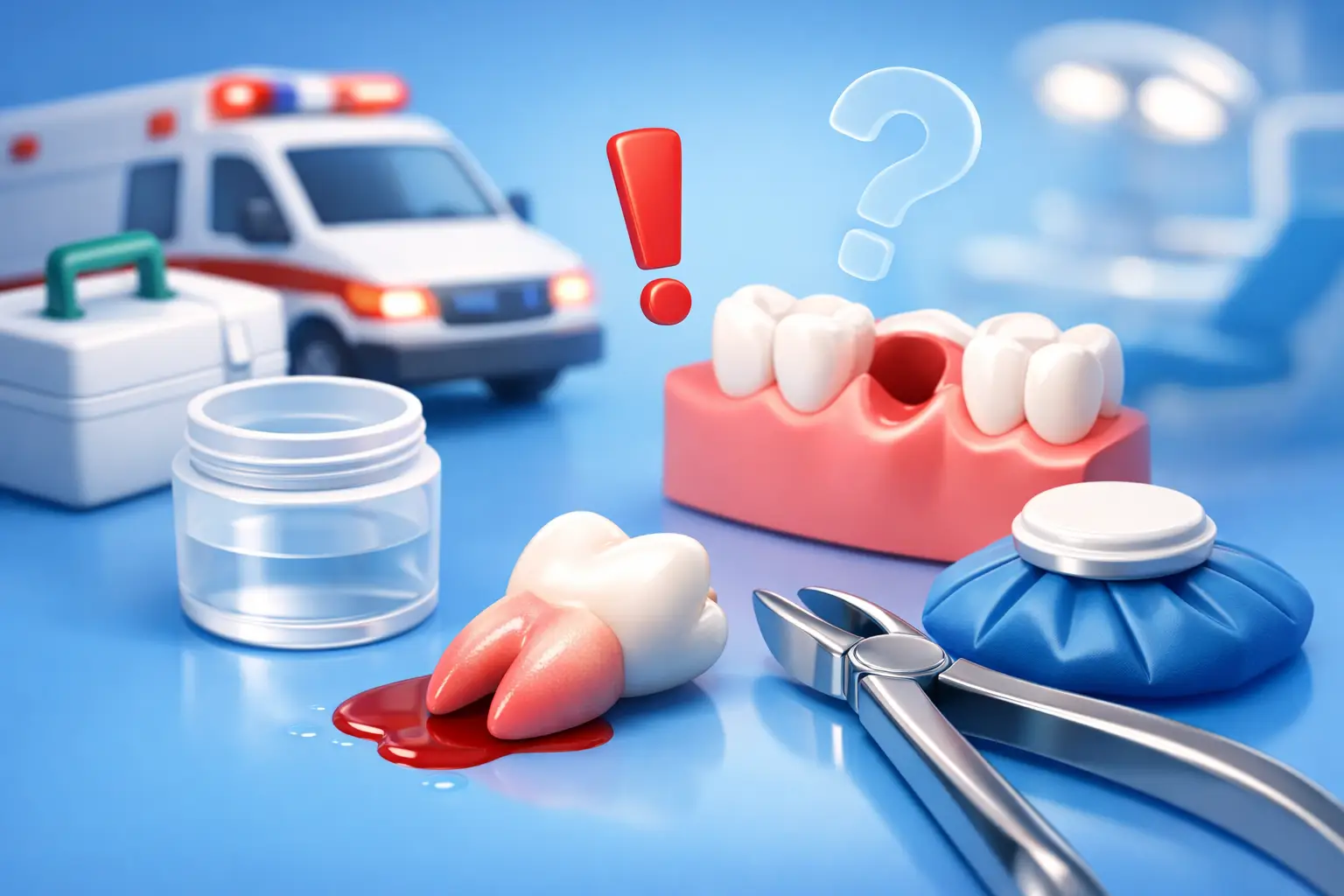
Start by finding the tooth as quickly as you can. Pick it up by the crown, which is the chewing surface you normally see in the mouth. Avoid touching the root. The root is delicate, and handling it can damage the cells your dentist needs to help the tooth reattach.
If the tooth is dirty, rinse it very gently with milk or saline if you have it. If neither is available, use a brief rinse with clean water. Do not scrub it, dry it with a tissue, or wrap it in cloth. Those well-meant steps can do more harm than good.
If it is an adult tooth, try to place it back into the socket straight away. Hold it by the crown, gently guide it into position, and ask the person to bite softly on a clean cloth or gauze to keep it in place. Do not force it. If it does not slide in easily, stop and keep it moist instead.
The best storage options are milk, saline, or inside the mouth between the cheek and gums if the person is old enough not to swallow it. A small clean container is fine. Plain water is not ideal for storage because it can damage the root surface if the tooth sits in it too long.
Then call an emergency dentist immediately. Time matters. The best outcomes usually happen when the tooth is replanted within 30 minutes, although there can still be hope beyond that depending on the situation.
Why speed matters so much
When a tooth is completely knocked out, the tiny living cells on the root start to dry out. These cells help the tooth reconnect after it is put back in place. The longer the tooth stays dry, the lower the chance of saving it long term.
That does not mean every delayed case is hopeless. Sometimes a tooth can still be stabilised and kept for a period of time, even if the prognosis is less certain. Your dentist will look at how long the tooth has been out, how it was stored, the person’s age, and whether there is damage to the surrounding bone or gums.
In other words, quick action helps, but even if an hour has passed, it is still worth seeking urgent care.
Knocked out baby tooth or adult tooth?
This part is important. A knocked out baby tooth is handled differently from a knocked out adult tooth.
If it is a baby tooth, do not try to put it back in. Replanting a baby tooth can harm the adult tooth developing underneath. Instead, control any bleeding with gentle pressure, keep the child comfortable, and arrange prompt dental care so the area can be checked.
If it is an adult tooth, immediate replantation is often the goal if the tooth and socket are suitable. That is why knowing whether the lost tooth is a baby tooth or a permanent one matters so much.
For families, this can be confusing in the moment, especially with school-aged children. If you are unsure, call a dentist and describe the situation while you are on the way.
What not to do for a knocked out tooth
A lot of damage happens after the accident, not because people do not care, but because they are trying to help under pressure. A few things are best avoided.
Do not touch the root, scrub the tooth, soak it in disinfectant, or leave it dry on a bench or in a tissue. Do not delay treatment while waiting to see if the pain settles. And if the person may also have a jaw injury, concussion, or heavy bleeding, medical care may need to come first.
This is one of those situations where home remedies are not enough. The tooth needs professional assessment, and often very quickly.
What your dentist will do
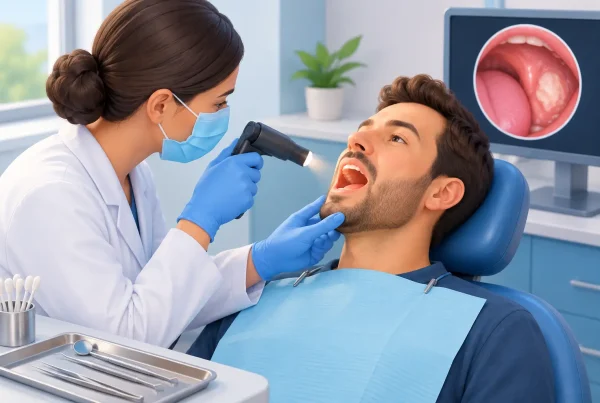
When you arrive, your dentist will examine the mouth, the tooth, and the surrounding tissues. They may take an X-ray to check the socket, nearby teeth, and the bone around the injury. If the tooth can be replanted, it will usually be cleaned carefully, repositioned if needed, and stabilised with a splint attached to the neighbouring teeth.
You may also need treatment for cuts to the lips or gums, pain relief advice, and instructions for eating and cleaning while the area heals. In some cases, a tetanus booster may be recommended through your GP or medical provider, especially if the injury involved dirt or contamination.
For many replanted adult teeth, root canal treatment is needed either soon after the injury or during follow-up care. That can sound worrying, but it is often part of giving the tooth its best chance.
The first few days after the injury
The first days after a knocked out tooth are all about protecting the area. Soft foods are usually recommended, along with careful brushing and an antiseptic mouth rinse if your dentist advises it. You will also be asked to avoid biting directly on the affected tooth.
Follow-up appointments matter just as much as the emergency visit. A tooth that looks stable on day one can still develop complications later, including infection, root resorption, or loss of attachment. Early review helps your dentist spot problems before they become harder to manage.
It is also common to feel shaken after a dental trauma, particularly if the injury happened during sport, at work, or in a public place. That emotional response is normal. Clear advice and continuity of care can make the whole process feel much more manageable.
If the tooth cannot be saved
Sometimes, despite everyone’s best efforts, a knocked out tooth cannot be successfully replanted or maintained. That may be because it was out too long, the root was badly damaged, the socket was fractured, or the long-term outlook is poor.
While that is disappointing, it is not the end of the road. There are several ways to replace a missing tooth, including a dental bridge, denture, or dental implant, depending on the person’s age, healing, and budget. The right option depends on more than appearance alone. Bite function, bone support, timing, and long-term maintenance all come into the decision.
A good emergency dentist will focus first on stabilising the situation, then guide you through the next steps in a way that feels clear and realistic.
When to seek urgent help
Any knocked out adult tooth should be treated as a dental emergency. You should also seek urgent care if the tooth has moved significantly, feels loose after a hit, or there is swelling, ongoing bleeding, or severe pain.
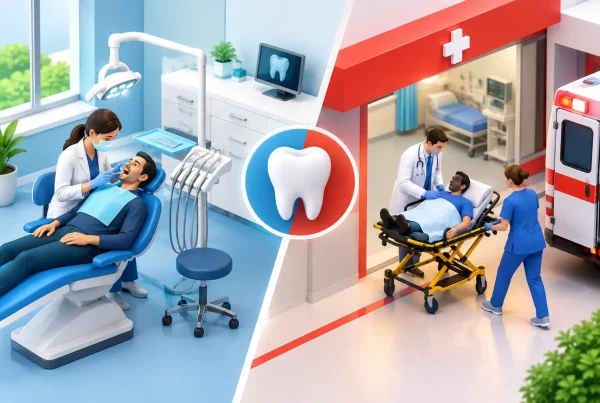
If the person has facial swelling, trouble breathing, signs of head injury, vomiting, or loss of consciousness, go to hospital first. Dental injuries can happen alongside more serious trauma, and safety comes before the tooth.
For local families and adults in the Albury-Wodonga region, having access to prompt advice can take some of the stress out of the moment. Riverina Dental Albury provides emergency dental care with a gentle, patient-first approach, which matters when things have gone sideways fast.
Can a mouthguard help prevent it?
Yes, in many sporting situations it can. A properly fitted mouthguard lowers the risk of serious dental trauma, especially in contact sports and activities where falls are common. It cannot prevent every injury, but it can reduce the force on the teeth and gums.
This is especially worth thinking about for teens and adults who play weekend sport. Prevention is always simpler than trying to save a tooth after it has been knocked onto the ground.
A knocked out tooth feels urgent because it is. But it is also one of those moments where the right first steps can genuinely change the outcome – keep the tooth moist, handle it carefully, and get dental help as quickly as you can.