A toothache that keeps you awake, hurts when you bite or sends a sharp jolt through your jaw is more than an inconvenience. It can be a sign that the soft tissue inside the tooth has become inflamed or infected. Understanding your root canal options early gives you more choice, often helps prevent worsening pain, and may mean the tooth can be saved.
A root canal is not automatically the answer to every sore tooth. Your dentist will first identify where the pain is coming from, assess the condition of the tooth and surrounding bone, and talk through treatment that suits both your oral health and circumstances. For many people, the decision comes down to whether a natural tooth can be predictably restored or whether replacement will provide the better long-term result.
When might a root canal be needed?
Inside each tooth is dental pulp, containing nerves and blood vessels. Deep decay, a cracked tooth, repeated dental work, trauma or a large failing filling can allow bacteria to reach this pulp. Once the tissue is badly inflamed or infected, it cannot heal on its own.
Symptoms can include lingering sensitivity to hot or cold, throbbing pain, discomfort when chewing, a pimple-like swelling on the gum, facial swelling or a tooth that has become darker. Some infected teeth cause little or no pain, which is one reason regular examinations and X-rays matter.
A careful examination is essential because similar symptoms can come from gum disease, a crack, jaw joint problems or a neighbouring tooth. Treatment should be based on a clear diagnosis, not simply on the presence of pain.
Root canal options for an infected tooth
The best option depends on the remaining healthy tooth structure, the position of the tooth, the complexity of its roots, your gum and bone health, and your plans for the tooth over time. These are the main pathways your dentist may discuss.
Root canal treatment and restoration
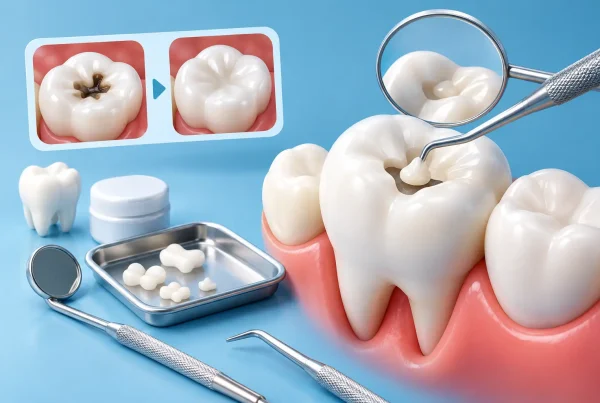
Root canal treatment removes infected or damaged pulp from inside the tooth. The canals are carefully cleaned, disinfected and sealed to help stop bacteria returning. The tooth is then restored with a filling, and often a crown if it has lost a significant amount of structure.
The key benefit is that you keep your own tooth. A natural tooth helps maintain your bite, supports the surrounding bone and avoids the need to replace a gap. Modern local anaesthetic and gentle techniques mean treatment is generally comparable in comfort to having a filling. The aim is to remove the source of pain, not add to it.
Root canal treatment is usually carried out over one or more appointments, depending on the tooth and level of infection. Some cases need medication placed inside the tooth between visits. If there is facial swelling or an active infection, your dentist may also need to manage the urgent symptoms before completing the final restoration.
A root-treated tooth can last many years with a well-sealed restoration, daily cleaning and regular dental reviews. It is not indestructible, though. Back teeth in particular can become brittle after extensive decay or large old fillings, which is why a crown may be recommended to protect them from splitting under chewing pressure.
Root canal retreatment
Occasionally, a tooth that has already had root canal treatment develops a new infection. This can happen if the original canal anatomy was especially complex, a restoration has leaked over time, or the tooth has cracked or developed new decay.
Retreatment involves reopening the tooth, removing previous filling material where possible, cleaning the canals again and resealing them. It can be more involved than the first treatment, but it may still be worthwhile when the tooth has a good foundation and can be restored securely.
In more complex cases, your dentist may discuss referral for specialist endodontic care. This is not a failure of ordinary care. Some teeth have narrow, curved or hidden canals that need advanced equipment and specialist expertise.
Extraction and replacement
Sometimes saving a tooth is not the most predictable option. A tooth may be too fractured, too decayed below the gumline, severely loose due to gum disease or have insufficient healthy structure to support a lasting restoration. In these circumstances, extraction can relieve infection and prevent ongoing problems.
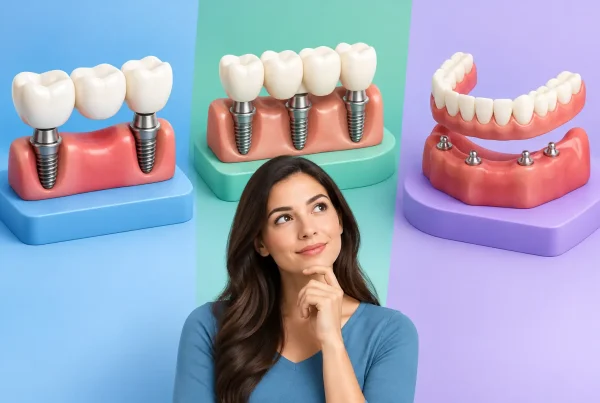
Removing a tooth leaves a decision about the space. For a visible tooth or one important to chewing, replacement is often worth considering. A dental implant replaces the tooth root and supports a crown, while a bridge uses neighbouring teeth to support a replacement tooth. A removable denture may be a practical choice where several teeth are missing or when a lower upfront cost is a priority.
There is no single right replacement for every patient. Implants can offer excellent stability but require sufficient bone, good gum health, healing time and a larger initial investment. Bridges are fixed and can be a suitable option when adjacent teeth already need crowns, although they involve those neighbouring teeth. Dentures are removable and adaptable, but may take time to get used to and need ongoing adjustment.
For some back teeth, especially where the bite is stable and the space is not affecting function, leaving the space may be discussed. This should be a considered decision, as neighbouring teeth can sometimes shift and the opposing tooth may over-erupt over time.
Temporary relief is not a long-term cure
Pain relief medication may help you manage discomfort while waiting for an appointment, but it does not remove an infection inside the tooth. Antibiotics are also not a replacement for dental treatment. They may be appropriate when infection is spreading or you are unwell, but the source still needs to be cleaned, drained, treated or removed.
If you have facial swelling, difficulty swallowing or breathing, a high temperature, or swelling spreading towards the eye or neck, seek urgent medical or dental attention. Dental infections can become serious when left untreated.
Choosing between root canal options
When weighing up treatment, it helps to look beyond the immediate appointment. Ask how likely the tooth is to last, what restoration it will need afterwards, what happens if treatment does not succeed, and how each option affects the rest of your mouth.
Cost matters too, and it is reasonable to ask for a clear treatment plan before you begin. Saving a tooth can involve root canal treatment and a crown, while extraction may lead to replacement costs later. The least expensive first step is not always the most economical pathway over the years, but the best plan must still be realistic for your household budget.
At Riverina Dental Albury, personalised planning means discussing the clinical priorities alongside timing, comfort and financial considerations. Where appropriate, treatment can be staged so urgent pain or infection is addressed first, followed by the restorative work needed to protect your smile. Flexible finance may also help eligible patients proceed with care without delaying necessary treatment.
What to expect during and after treatment
Many people feel anxious because they associate root canals with severe pain. In reality, the pain usually comes from the infected tooth before treatment. Your dentist will numb the area thoroughly and check that you are comfortable before starting. Let the team know if you are nervous, have had difficult dental experiences or need breaks during treatment. Gentle care starts with listening.
After treatment, mild tenderness around the tooth for a few days is common, particularly when there was infection or inflammation around the root. Follow the instructions you are given, avoid chewing hard foods on a temporary restoration, and return for the planned final filling or crown. Contact your dentist promptly if pain becomes severe, swelling develops or a temporary filling comes loose.
The most helpful next step is simply not to wait for a painful tooth to settle by itself. A timely examination can clarify your root canal options, protect the teeth around it and give you a calm, practical plan for moving forward.