A badly damaged or infected tooth can make everyday things – a hot coffee, a family meal, even a good night’s sleep – feel difficult. When deciding on root canal versus extraction, the best choice is rarely about simply removing pain today. It is about protecting your comfort, your budget and the health of your smile in the years ahead.
Both treatments can be appropriate, and neither should be chosen without a thorough examination. Your dentist will look at the condition of the tooth, the surrounding gum and bone, the source of the problem, and what treatment will give you the most reliable long-term outcome.
Root canal versus extraction: the key difference
A root canal treatment aims to save a natural tooth. Inside every tooth is soft tissue called pulp, which contains nerves and blood vessels. If this tissue becomes inflamed or infected, it can cause severe toothache, swelling or sensitivity. This may happen because of deep decay, a crack, repeated dental work or trauma to the tooth.
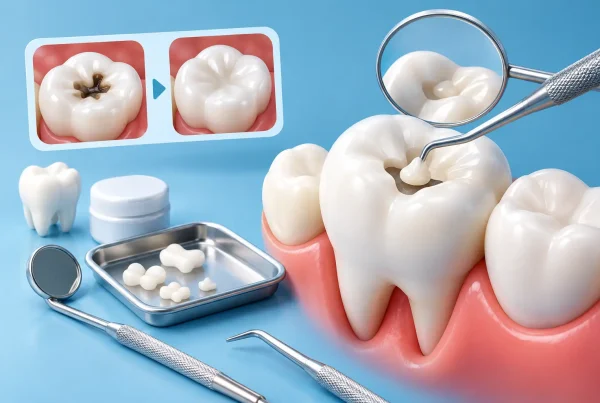
During root canal treatment, the dentist removes the infected pulp, carefully cleans and disinfects the inside of the tooth, then fills and seals the space. In many cases, the tooth is then protected with a filling or crown so it can continue doing its job.
An extraction removes the tooth entirely. It may be recommended where the tooth is too damaged to restore, the crack extends too far below the gumline, there is advanced gum disease, or infection has significantly affected the supporting bone. Removing the tooth can stop the source of infection and pain, but it also creates a gap that may need to be managed later.
When saving the tooth is usually preferred
Whenever a tooth can be restored with a predictable outcome, keeping it is often the preferred option. Your natural teeth are designed to work together. They help you chew efficiently, support your bite and maintain the position of neighbouring teeth.
A successful root canal lets you keep that natural structure. It also avoids the changes that can occur after a tooth is removed. Over time, teeth beside or opposite a gap can drift or move, which may affect how your teeth meet. Bone in the area can also gradually reduce after an extraction because it no longer receives stimulation from the tooth root.
That does not mean root canal treatment is always the right choice. A tooth needs enough healthy structure above and below the gumline to be rebuilt properly. If a restoration is unlikely to last, removing the tooth and considering replacement may be the more sensible, cost-effective path.
A root canal is not meant to be painful
Many people associate root canal treatment with discomfort, usually because the tooth is already extremely painful before treatment begins. With modern local anaesthetic and a gentle approach, the procedure itself is usually no more daunting than having a large filling. The purpose of treatment is to remove the inflamed or infected tissue that is causing the pain.
It is common to have some tenderness for a few days afterwards, especially when biting. Your dentist will explain how to manage this and when to get in touch if symptoms do not settle as expected.
When extraction may be the better option
Extraction may be recommended if the tooth cannot be saved safely or reliably. For example, a tooth with decay extending deeply below the gumline may not have enough solid material left to hold a crown. A vertical root fracture can also make the tooth impossible to restore. In other cases, severe periodontal disease may mean the tooth no longer has enough bone support.
There are also practical considerations. Some teeth, particularly heavily damaged back teeth, may require complex treatment and a crown after a root canal. If the predicted outcome is guarded, your dentist may discuss extraction so you can put your investment towards a replacement option with a better outlook.
An extraction can sometimes provide faster relief from a non-restorable tooth. However, it should not be viewed as the end of the decision. The next question is whether to leave the space or replace the tooth.
What happens after a tooth is extracted?
Not every missing tooth needs replacement immediately, but it is worth discussing the consequences for your particular bite and smile. A missing front tooth is usually noticeable and can affect confidence and speech. A missing back tooth may be less visible, yet it can still change chewing patterns or allow nearby teeth to shift.
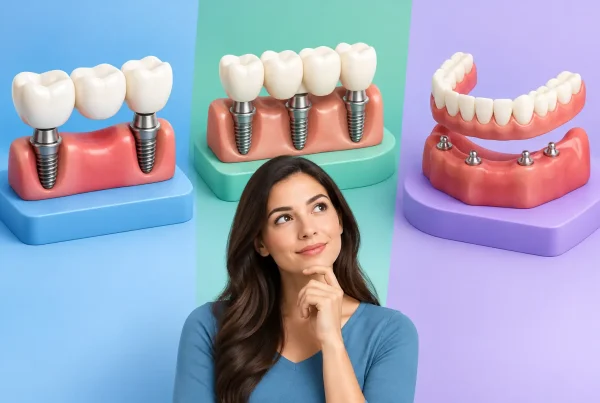
Replacement choices may include a dental implant, bridge or removable denture. Each has different costs, treatment timeframes and maintenance needs. An implant replaces the root as well as the visible tooth and can help support the bone in the area, but it involves surgery and may require a healing period. A bridge is fixed to neighbouring teeth, while a denture is removable and can be a suitable option in some circumstances.
These future costs should be part of the root canal versus extraction conversation. A lower initial extraction fee may be followed by the cost of replacing the tooth. Conversely, investing in a root canal and crown is not ideal if the tooth has a poor long-term prognosis. Clear treatment planning helps avoid surprises.
How your dentist decides which treatment is right
The decision should be based on clinical findings, not pressure or a one-size-fits-all rule. Your dentist may take dental X-rays to check the roots, infection, bone level and areas that cannot be seen during a visual examination. They will also assess the tooth for cracks, test the nerve response where appropriate, and check how the tooth functions in your bite.
Your overall oral health matters too. Gum health, grinding or clenching, the condition of surrounding teeth and your ability to maintain the area all influence the likely result. If the case is particularly complex, referral to an endodontist may be considered for specialist root canal care.
You should also be able to discuss what matters to you. Some patients want the quickest way to get comfortable after an emergency. Others are focused on preserving natural teeth wherever possible. Budget, time away from work, dental anxiety and future treatment plans are all valid parts of the conversation.
Cost, timing and comfort: practical questions to ask
Before choosing treatment, ask your dentist about the expected prognosis for each option. It is reasonable to ask how long a root canal and restoration are expected to last, whether a crown is recommended, and what could affect success.
If extraction is proposed, ask whether replacing the tooth is advisable and when that replacement should happen. You may also want to know how many appointments are needed, what recovery is likely to involve, and what payment or finance options are available.
A personalised written treatment plan can make the choice easier to understand. It should separate the immediate treatment from any future restorative work, so you can see the full picture rather than only the first step.
Do not wait with swelling or severe tooth pain
A tooth infection will not settle permanently without dental treatment. Pain can sometimes ease if the nerve inside the tooth dies, but the infection may remain and spread into the surrounding tissues. Swelling in the face or jaw, fever, trouble swallowing, difficulty breathing, or feeling generally unwell needs urgent assessment.
If you have broken a tooth, developed swelling or are dealing with persistent toothache, seek dental advice promptly. Early treatment can sometimes make saving the tooth more straightforward and may reduce the risk of a more serious dental emergency.
At Riverina Dental Albury, we take time to explain your options in plain language and provide gentle, personalised care. Whether saving the tooth or removing it offers the better outcome, the right plan is the one that gives you a realistic path back to comfort, function and confidence in your smile.