A molar filling has a harder job than most. Back teeth take the force of chewing every day, often while holding a larger filling than a front tooth would need. That is why the best fillings for molars are not simply the most natural-looking option or the cheapest option. The right choice needs to suit the size and position of the cavity, your bite, your oral health and your budget.
For a small to moderate cavity, a tooth-coloured composite filling is often an excellent choice. For a large or heavily worn area, a ceramic restoration, gold restoration or crown may offer better long-term support. A careful assessment helps avoid placing a filling where the tooth really needs something stronger.
What makes a molar filling last?
Molars have broad chewing surfaces, deep grooves and strong biting forces. A filling must seal the tooth against bacteria, cope with temperature changes and resist cracking or wear. The amount of healthy tooth structure left matters just as much as the filling material itself.
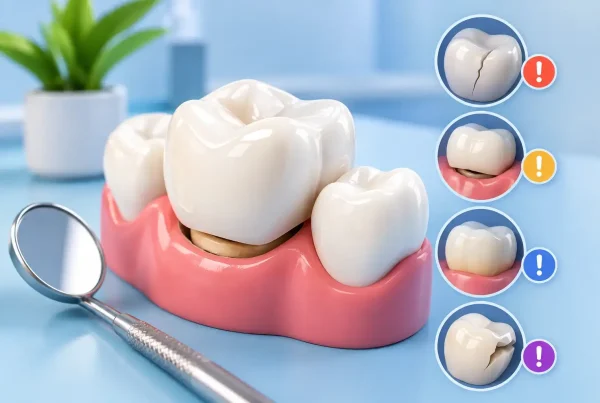
A small cavity on the top surface of a molar can usually be restored conservatively. When decay or an old filling extends between teeth, under a cusp or across much of the chewing surface, the tooth becomes more vulnerable. In those cases, the goal is not just to fill a hole. It is to protect the remaining tooth from splitting.
Your dentist will also consider habits such as clenching or grinding, the condition of nearby teeth, whether the tooth has had root canal treatment and how easily the area can be kept clean. There is no single material that is best for every back tooth.
Best fillings for molars: the main options
Composite resin fillings
Composite resin is the white, tooth-coloured material many patients prefer. It can be closely matched to the shade of your natural teeth, so it is a discreet option even if you laugh or speak with your back teeth visible. It bonds directly to the tooth, which can allow a dentist to remove less healthy structure than some traditional approaches.
For small and medium-sized molar fillings, modern composite can be strong and dependable. It is particularly useful where appearance matters, where a patient prefers a metal-free restoration, or where a replacement filling needs to blend with the surrounding tooth.
The trade-off is that composite is technique-sensitive. It needs a clean, dry working area to bond well, and it may wear or chip sooner than other materials in people with a very heavy bite. Larger composite fillings can work well, but they should be reviewed regularly because the remaining tooth may be at greater risk of fracture over time.
Amalgam fillings
Dental amalgam is a silver-coloured filling material that has been used in molars for many years. It is durable, handles moisture well during placement and can be a practical option for some back teeth, particularly where access is difficult.
Its obvious drawback is appearance. It does not match the tooth, and older amalgam fillings may darken the surrounding tooth over time. Amalgam does not bond to tooth structure in the same way as composite, so it can require more shaping of the tooth to hold it in place.
Whether amalgam is appropriate depends on your individual circumstances and current clinical recommendations. A sound, comfortable amalgam filling does not automatically need replacing simply because it is metal coloured. Replacing any filling is best based on signs of leakage, decay, cracking, wear or symptoms – not appearance alone.
Ceramic inlays and onlays
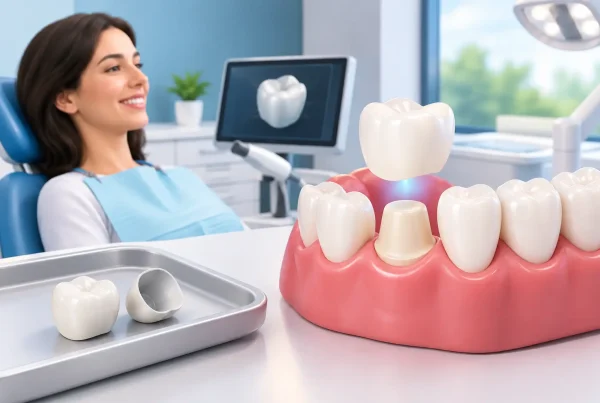
Ceramic restorations are made outside the mouth and then bonded to the tooth. An inlay fits within the chewing surface, while an onlay covers one or more cusps, the raised points of a molar. They are tooth coloured, highly stain resistant and can be an excellent choice for a larger restoration.
For a molar that has lost substantial structure but does not need a full crown, a ceramic onlay can provide valuable reinforcement. It is designed to cover and protect weakened cusps rather than leaving them exposed around a very large filling.
Ceramic usually costs more than a direct composite filling and may require more than one appointment, depending on the method used. However, it can be a worthwhile long-term option when it helps preserve a tooth that is otherwise at risk of cracking.
Gold restorations
Gold is strong, gentle on opposing teeth and can last for many years when well cared for. It remains a high-performing option for certain molars, particularly for people who place heavy pressure on their teeth.
The limitations are cost and colour. Gold is noticeable, and it is generally more expensive because it is custom made. While it is not the most common choice today, it can still be an excellent restoration for the right patient and tooth.
When a filling is no longer enough
A filling repairs decay or a small area of damage. It cannot always restore the strength of a tooth that has been extensively weakened. If a molar has a large old filling, visible cracks, broken cusps or decay affecting a major portion of the tooth, a crown or onlay may be safer than another large filling.
This is especially relevant after root canal treatment. A root-treated molar can become more brittle, and it may need coverage that protects the chewing surface. Choosing the least expensive option in the short term can sometimes lead to a fractured tooth, a more complex repair or even tooth loss later.
That does not mean every larger filling needs a crown. A dentist should explain what they can see on examination and X-rays, how much healthy tooth remains, and the expected risks and benefits of each option. Clear advice gives you the chance to make a decision that feels right for your health and finances.
How to choose the right option for your budget and bite
It is reasonable to ask how long a filling may last, what could cause it to fail and what alternatives are available. The answer will be different for a small cavity in a healthy tooth than for a heavily restored molar in someone who grinds at night.
At Riverina Dental Albury, treatment planning is personalised. Your dentist can talk through whether a direct composite filling is suitable, whether a stronger indirect restoration would be wiser, and how treatment can be prioritised if several teeth need care. If cost is a concern, asking for a written estimate and discussing staged treatment can make the next step more manageable.
A night guard may also be recommended for people who clench or grind. No filling material can fully compensate for ongoing heavy pressure, but protecting your teeth while you sleep can help restorations last longer.
Looking after a molar filling
A restored tooth still needs daily care. Brush twice a day with fluoride toothpaste, clean between your teeth daily and attend regular dental check-ups. Decay can form at the edge of any filling if plaque is allowed to build up, especially between molars where a toothbrush cannot reach well.
Try not to chew ice, hard lollies or non-food items, and seek advice if you notice pain when biting, lingering sensitivity, a rough edge or food repeatedly catching around the tooth. These signs do not always mean the filling has failed, but checking them early can prevent a small issue becoming a larger one.
Common questions about molar fillings
Are white fillings strong enough for back teeth?
Yes, composite fillings are often strong enough for small to medium molar cavities. For a very large restoration or a tooth with weakened cusps, an onlay or crown may give better protection. The size of the filling and the condition of the remaining tooth are more important than colour alone.
How long do molar fillings last?
A filling may last for many years, but no material has a guaranteed lifespan. Its longevity depends on the filling size, biting forces, brushing and flossing habits, diet, tooth grinding and regular dental review. Small repairs can sometimes extend the life of an existing restoration.
Does it hurt to have a filling?
Local anaesthetic is used to keep the area comfortable during treatment. You may have mild sensitivity afterwards, particularly with a deep filling, but this should settle. If pain worsens, lasts longer than expected or occurs when biting, contact your dentist for advice.
The best choice is the one that restores your molar securely while respecting your long-term oral health and your circumstances. A timely examination can turn a sore or damaged tooth into a straightforward repair before it needs more involved treatment.