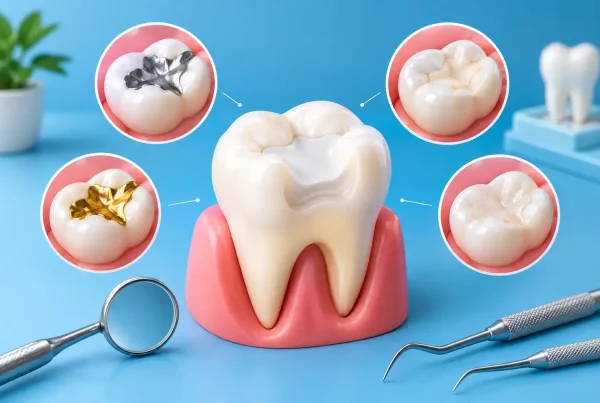
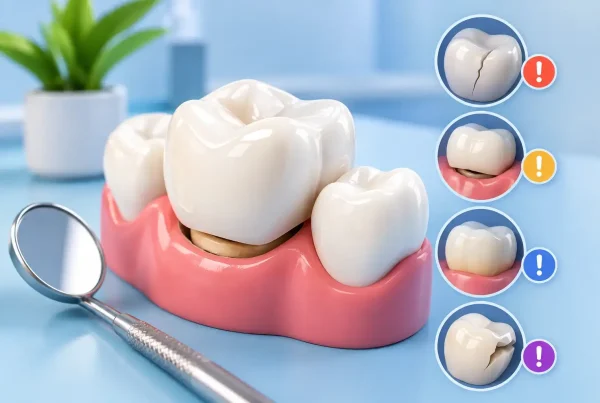
A cracked tooth can make every meal feel like a gamble. You may be avoiding one side of your mouth, worrying that a filling will fail, or trying to find time for several dental visits around work and family commitments. Same day dental crowns can be a welcome option for some patients, allowing a carefully designed crown to be planned, made and fitted in a single appointment.
That does not mean a one-visit crown is automatically the best answer for every damaged tooth. The right treatment depends on how much healthy tooth structure remains, whether the nerve is affected, your bite, and the condition of the surrounding gum. A thoughtful assessment protects more than your immediate comfort – it helps your restoration last.
How same day dental crowns work
A dental crown is a custom cover that restores the shape, strength and appearance of a tooth. It is often recommended when a tooth has a large filling, a fracture, significant wear, or has been treated with root canal therapy. Rather than patching a weakened tooth repeatedly, a crown holds and protects the remaining structure.
With conventional crowns, the dentist prepares the tooth, takes an impression, fits a temporary crown, then places the final crown at a later visit. Same-day treatment uses digital scanning and in-clinic design and milling technology to create a ceramic crown while you are at the practice.
Your appointment usually begins with an examination and, where needed, X-rays. Your dentist will check for decay, cracks extending below the gum line, signs of infection and problems with the tooth’s nerve. If a crown is appropriate, the tooth is gently shaped under local anaesthetic. A small digital scanner captures detailed images of the prepared tooth and nearby teeth, without the need for traditional impression material.
The crown is designed to suit your bite and the colour of neighbouring teeth, then milled from a ceramic block. Once it has been checked for fit, comfort and bite, it is bonded into place. You leave with a permanent restoration rather than a temporary one.
When a one-visit crown may be a good option
Same-day crowns may suit people with a fractured cusp, a large failing filling, or a tooth that has become worn and weakened over time. They can also be helpful when a patient has a busy schedule, is travelling for work, or would prefer to avoid the care required for a temporary crown between visits.
For teeth in visible areas, modern ceramics can provide a natural-looking result. The material can be selected and shaded to blend with your smile, although achieving the best cosmetic match can sometimes call for more planning. If you are considering several front-tooth restorations or want a very specific shade, a staged approach may still be recommended.
A same-day crown is also not necessarily an emergency treatment. It may be possible to assess a broken tooth promptly and protect it with a temporary solution first, particularly if there is pain, swelling or uncertainty about the health of the nerve. Fast care matters, but doing the right treatment matters more.
When another approach may be better
Some teeth need additional treatment before they can be crowned. Deep decay or infection may require root canal treatment. A crack that runs far below the gum, or a tooth with too little sound structure left to support a crown, may need a different restoration plan. In some cases, an onlay, filling, bridge, implant or extraction may be more appropriate.
Crowns for back teeth that receive very heavy biting forces can also need particular material choices and design considerations. If you clench or grind your teeth, your dentist may recommend a night splint to protect both the crown and your natural teeth. No crown is indestructible, especially when it is exposed to ice chewing, hard lollies or untreated grinding.
The benefits and trade-offs to consider
The clearest benefit of a same-day crown is convenience. There is no second appointment for final fitting and no temporary crown to manage at home. Temporary restorations can occasionally loosen or feel awkward, so removing that stage is valuable for many patients.
Digital planning can also support a precise fit and a comfortable bite. Ceramic crowns are strong, metal-free and designed to look like a natural tooth. For the right case, this combination of efficiency and quality can make treatment feel much less disruptive.
There are trade-offs, however. Not every tooth can be restored in one visit, and availability can depend on the complexity of treatment and the clinical technology required. A carefully made conventional crown remains an excellent option for many patients. The most suitable choice should be based on your tooth, not simply on the speed of the appointment.
Cost is another practical consideration. Fees can vary according to the tooth being treated, the material selected, whether additional care is required and your health fund cover. Before treatment begins, ask for a clear explanation of the recommended option, likely costs and available payment pathways. A budget-conscious plan should still protect your long-term oral health.
What your appointment and recovery can feel like
Most patients are comfortable throughout crown preparation with local anaesthetic. It is normal for the tooth and gum to feel slightly tender once the anaesthetic wears off, particularly if the tooth was already inflamed or damaged. Mild sensitivity to cold or pressure can settle during the first few days.
Your new crown should not feel high when you bite. If it does, or if you have persistent pain, sensitivity that is getting worse, swelling, or a crown that feels loose, contact your dentist promptly. A small bite adjustment can make a significant difference, and ongoing discomfort should always be checked rather than ignored.
On the day of treatment, wait until numbness has fully worn off before chewing. Start with softer foods if your mouth feels tender, then return to your usual diet as comfort allows. The crown is fixed in place, but the tooth and gum still benefit from a gentle start.
Caring for a crown over the long term
A crown cannot decay, but the natural tooth at its edge can. Gum disease can also affect the supporting tissues around any crowned tooth. Daily care is what gives the restoration its best chance of lasting well.
Brush twice daily with fluoride toothpaste and clean between your teeth every day using floss or interdental brushes suited to your spacing. Pay attention to the gum line around the crown, where plaque can collect. Regular dental check-ups and cleans allow your dentist to monitor the crown, bite, gum health and nearby teeth before minor concerns become larger problems.
Try not to use your teeth as tools for opening packaging, and avoid biting very hard objects. If you play contact sport, wear a properly fitted mouthguard. If grinding is an issue, a custom night splint can reduce pressure while you sleep.
Questions worth asking before treatment
It can help to ask why a crown is recommended instead of a filling or onlay, whether the tooth shows signs of nerve damage, and what material is being proposed. You may also wish to ask whether treatment can genuinely be completed in one visit, how your bite will be checked, and what follow-up care is included.
A good consultation should leave you clear about the benefits, limitations and expected costs. You should never feel rushed into restorative treatment without understanding the condition of the tooth and the alternatives available.
For patients in Albury-Wodonga, Riverina Dental Albury can assess a damaged or weakened tooth and discuss a gentle, personalised treatment pathway that fits your oral health needs and budget. The best crown is not simply the fastest one – it is the one that restores confidence in your bite while supporting your smile for years to come.