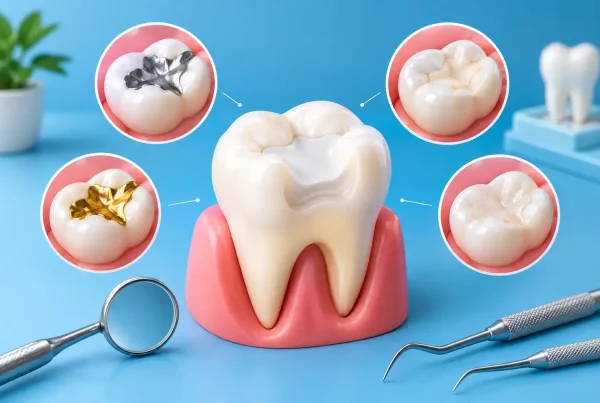
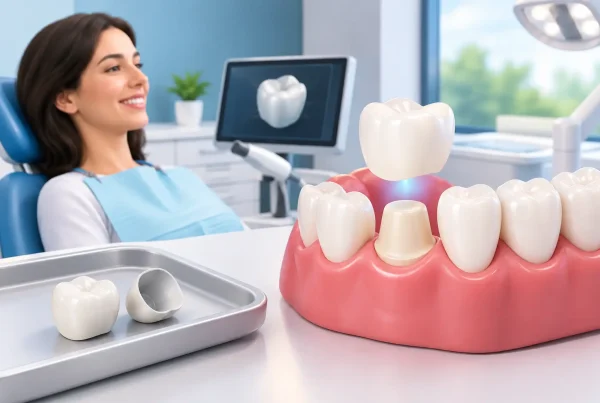
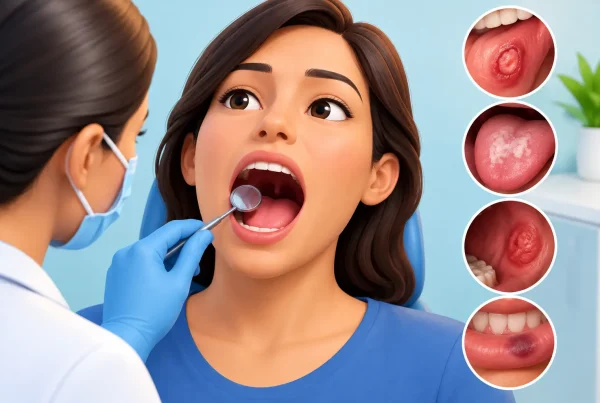
A dental crown is designed to restore a damaged tooth and help you chew, smile and speak comfortably. But can crowns fail? Yes. Even a well-made crown can develop problems over time, particularly when the tooth underneath changes, the cement seal weakens or the crown is exposed to repeated heavy pressure.
That does not mean every concern is an emergency or that you have done anything wrong. Many crown problems can be managed simply when they are assessed early. The key is knowing what feels different, what can wait for an appointment and when to contact a dentist promptly.
Can crowns fail after they have been fitted?
A crown can fail in several ways. It may loosen, crack, chip, come off completely or stop fitting tightly around the tooth. Sometimes the crown itself is intact, but decay or infection develops underneath it. In other cases, the tooth supporting the crown fractures, which can affect whether it can be restored again.
Crowns are strong, but they are not indestructible. Their lifespan depends on the material used, the condition of the original tooth, your bite, oral hygiene and habits such as clenching, grinding or chewing hard foods. With good care, many crowns last for years. However, no dentist can promise that a crown will last forever.
A crown that feels normal, looks sound and has no tenderness does not usually need replacing simply because it has reached a certain age. Regular dental examinations allow your dentist to check the margins around the crown, the health of the supporting tooth and gum, and signs of wear before a small issue becomes more complex.
Common reasons dental crowns develop problems
The most common issue is a breakdown in the seal between the crown and tooth. Cement can weaken over time, allowing tiny gaps where bacteria and food debris may collect. This can lead to decay beneath the crown, often without obvious symptoms in its early stages.
Biting forces also matter. Grinding your teeth at night, clenching during stressful periods or biting down on something unexpectedly hard can crack porcelain, loosen a crown or damage the tooth underneath. Crowns on back teeth carry much of the chewing load, so they can be especially vulnerable if your bite is uneven.
Changes in the tooth itself can also cause trouble. A tooth that has had extensive decay, a large filling or root canal treatment may have less natural structure remaining. If that tooth later fractures below the gumline, a new crown may not be enough to save it. Gum disease can contribute too, as receding gums may expose the edge of the crown and make plaque control more difficult.
Occasionally, a crown fails because it was never quite the right fit or because the bite has changed over time. This is why a crown that feels high, catches when you bite or causes ongoing soreness should be reviewed rather than tolerated.
Warning signs worth booking in for
Some crown concerns are subtle. Sensitivity to cold or sweets, tenderness when biting, food catching around one area or a bad taste near the crown can all point to a loose seal or decay. Bleeding gums around the crown may be caused by plaque build-up, but it can also signal that the crown edge is difficult to clean or no longer fits closely.
You may notice that the crown feels loose, moves slightly when you touch it with your tongue, or has a rough or sharp edge. A visible chip, crack or dark line where the crown meets the gum also deserves an assessment. Not every dark edge means the crown has failed, particularly with older crown materials, but it is worth checking.
Pain and swelling should never be ignored. Persistent throbbing, swelling of the gum or face, a pimple-like bump on the gum, fever, or pain that wakes you at night may indicate infection around the tooth. Contact a dentist promptly, particularly if swelling is spreading or you have difficulty swallowing or breathing. These symptoms need urgent care.
What to do if a crown comes off
A lost crown can be unsettling, but try to keep it safe. Rinse it gently with water and place it in a clean container. Avoid using household glue or attempting to permanently fix it yourself, as this can damage the crown, irritate the tooth or make professional re-cementing more difficult.
Until you are seen, avoid chewing on that side and choose softer foods. The exposed tooth may be sensitive, so avoid very hot, cold or sweet foods if they trigger discomfort. Keep the area clean with careful brushing and flossing, but do not force floss around a fragile temporary edge.
If the crown is still intact and the tooth underneath is healthy, it may sometimes be possible to clean and re-cement it. If there is decay, a fracture or a poor fit, a replacement crown or another treatment may be recommended. The right option depends on what has happened below the surface, not just whether the crown looks intact from the outside.
How dentists assess a failing crown
An assessment usually begins with a conversation about what you have noticed: pain, sensitivity, a change in your bite or a crown that has come loose. Your dentist will examine the crown, gum and neighbouring teeth, and may take an X-ray to look for decay, infection or changes around the root that cannot be seen directly.
From there, treatment can range from a simple adjustment or re-cementing to replacing the crown. If the tooth has developed a new infection, root canal treatment may be needed before a new crown is placed. If there is not enough healthy tooth structure left to support another crown, your dentist will explain alternatives such as a bridge, denture or dental implant where appropriate.
This is where personalised planning matters. A quick fix may be suitable for some people, while another person may be better served by addressing grinding, gum health or a heavily worn bite at the same time. At Riverina Dental Albury, the aim is to explain the findings clearly, discuss practical options and help you choose a treatment pathway that suits your oral health and budget.
Helping your crown last longer
Daily cleaning is the most effective protection. Brush twice a day with fluoride toothpaste and clean between your teeth every day, paying gentle attention to the gumline around the crown. A crown cannot decay, but the natural tooth beneath and around it certainly can.
Avoid using your teeth to open packaging, cut fishing line or crack hard foods. If you clench or grind, a custom night guard may help reduce the pressure placed on crowns and natural teeth while you sleep. Regular check-ups and cleans are equally valuable because they give your dental team a chance to identify loose margins, cracks and gum inflammation early.
Questions patients often ask
Can a crown be repaired instead of replaced?
Small chips in some crowns can sometimes be smoothed or repaired with composite material. Larger cracks, a poor fit or decay underneath usually require a new crown. Your dentist will assess whether a repair is likely to last rather than offering a short-term patch that may fail again soon.
Is pain under a crown always a sign of failure?
No. Pain can come from gum inflammation, a neighbouring tooth, bite pressure or sinus congestion in upper teeth. However, pain on biting, ongoing sensitivity or swelling should be assessed because it can also indicate decay, a crack or infection in the crowned tooth.
Can a loose crown wait?
A crown that is loose but not painful should still be booked in as soon as practical. Leaving it in place can allow bacteria to enter underneath, and chewing on it may fracture the tooth or cause the crown to come off at an inconvenient time.
If your crown feels different, do not wait until it becomes painful. An early appointment can often protect the tooth beneath it and keep treatment simpler, more comfortable and more affordable.