
A cracked tooth during dinner, a filling that falls out on a Friday night, or a toothache that suddenly keeps you awake can make it hard to think clearly. An emergency dentist can assess the problem, relieve discomfort and help prevent a small dental issue becoming a more complex one. For people in Albury-Wodonga, acting early often means more treatment choices, less pain and a better chance of saving the tooth.
What counts as a dental emergency?
Not every dental problem needs immediate treatment, but pain, bleeding, swelling and dental trauma should never be ignored. The level of urgency can depend on your symptoms, how quickly they are changing and whether there is a risk to your overall health.
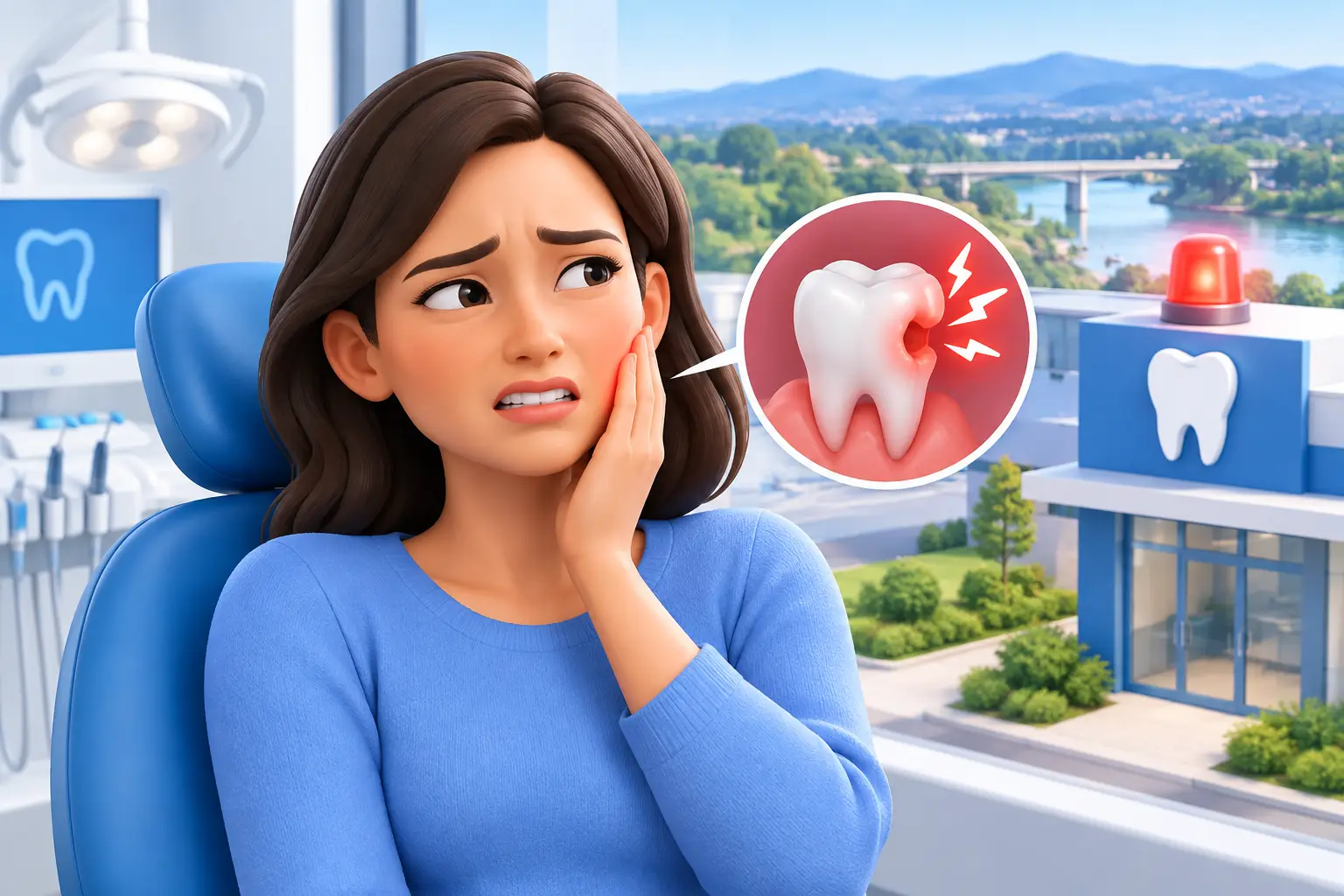
A severe toothache is one of the most common reasons to seek urgent care. Pain that throbs, wakes you from sleep, worsens when you bite, or comes with sensitivity to hot and cold may indicate deep decay, a cracked tooth, an infection or an inflamed nerve. Pain medicine may take the edge off temporarily, but it will not treat the source.
Swelling around a tooth, gum or jaw also needs prompt attention. A dental infection can spread beyond the tooth if left untreated. Swelling in the face, a bad taste in the mouth, fever or increasing pain are all signs to call for advice as soon as possible.
You should also contact an emergency dentist for:
- a knocked-out, loose or broken adult tooth
- a chipped or fractured tooth that is painful or has a sharp edge
- uncontrolled bleeding after dental treatment or an injury
- a lost filling, crown, bridge or denture that causes pain or leaves a tooth exposed
- a painful gum abscess, swelling or suspected infection
A minor chip without pain may be able to wait for a regular appointment, particularly if the edge is smooth. However, a quick call is still worthwhile. It is much easier to repair a small chip before it becomes a larger crack.
What to do before you see an emergency dentist
The right first aid can protect the tooth and make you more comfortable while you arrange care. Keep calm, avoid chewing on the affected side and give the dental team a clear description of what happened, when it started and whether your symptoms are getting worse.
If a tooth has been knocked out, handle it only by the crown, which is the part normally visible above the gum. Do not touch or scrub the root. If it is dirty, gently rinse it in milk or saline, then try to place it back in the socket if you can do so safely. If that is not possible, keep it moist in milk or saliva in a clean container. Time matters greatly with a knocked-out tooth, so seek help straight away.
For a broken tooth, rinse your mouth with warm water and save any pieces you can find. A cold compress held against the outside of the cheek can help reduce swelling. If a sharp edge is rubbing against your tongue or cheek, dental wax may provide a short-term barrier until you are seen.
For toothache, rinse gently with warm salt water and carefully floss around the painful tooth in case food is trapped between the teeth. Do not place aspirin, clove oil or other substances directly on the gums or tooth. They can irritate soft tissue and may make the area more uncomfortable.
If a filling or crown comes loose, keep it somewhere safe and avoid sticky, hard or very hot and cold foods. Temporary dental repair materials may be available from a pharmacy, but these are only a short-term measure. A tooth that has lost its protective restoration can crack further or become increasingly sensitive.
When swelling needs medical help
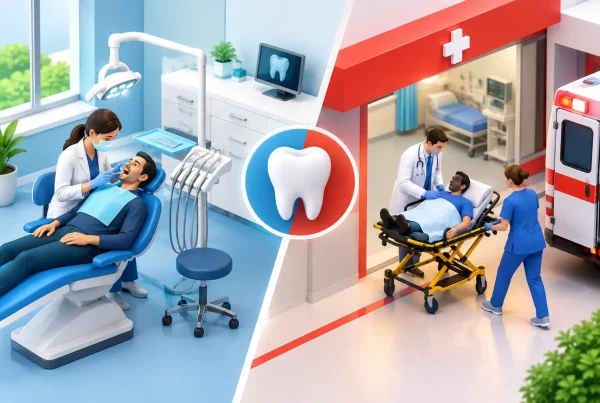
Most dental pain is best managed by a dentist, even when it feels severe. However, some symptoms need urgent medical assessment at a hospital emergency department.
Seek emergency medical care if swelling is spreading rapidly through the face or neck, you have trouble breathing or swallowing, you cannot open your mouth normally, you have a high fever or feel very unwell, or bleeding will not stop after steady pressure. These symptoms can signal a serious infection or injury that requires immediate medical support.
For other urgent dental concerns, an emergency dental appointment is generally the most direct path to treating the cause. Antibiotics alone do not fix a damaged or infected tooth in many cases. Dental treatment may be needed to drain an infection, repair a fracture, replace a restoration or treat the tooth internally.
What happens at an emergency dental appointment?
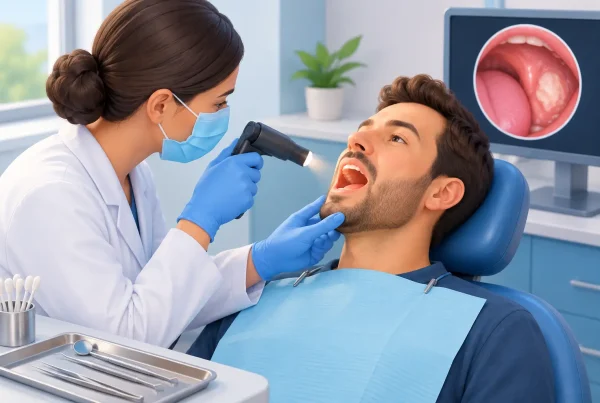
Emergency care is not just about getting through the day. The first priority is to understand why the problem has occurred and to make you comfortable. Your dentist will ask about your symptoms and medical history, examine the affected area and, where needed, take an X-ray to see what cannot be seen from the surface.
Treatment depends on the diagnosis. A painful cavity may need a filling, while a deep infection may require root canal treatment, drainage or removal of the tooth if it cannot be saved. A cracked tooth may be stabilised with a temporary restoration before a more permanent crown is planned. If a crown has come off and the tooth underneath is sound, it may simply be possible to recement it.
Sometimes the best emergency option is a temporary repair that settles pain and protects the tooth. That is not a lesser outcome. It can give you time to consider a longer-term solution, organise your budget or allow inflammation to settle before further treatment. You should leave knowing what was done, what to expect next and what options are available.
For anxious patients, tell the team early. Dental emergencies can feel particularly confronting when you are already in pain. Gentle care, clear explanations and a step-by-step plan can make the appointment more manageable.
Why prompt treatment can save more than a tooth
Waiting is understandable, especially when discomfort comes and goes or life is busy. But dental problems rarely repair themselves. A small cavity can reach the nerve, a loose filling can allow bacteria underneath the tooth, and a crack can deepen each time you bite.
Early treatment may be simpler and more budget-conscious than waiting until the tooth is badly damaged. It can also help preserve the surrounding bone and reduce the chance that an infection affects nearby teeth. That does not mean every issue needs the same treatment on the same day. A good emergency plan considers your immediate symptoms, the health of the tooth and the practical next steps that suit your circumstances.
After the urgent problem is under control
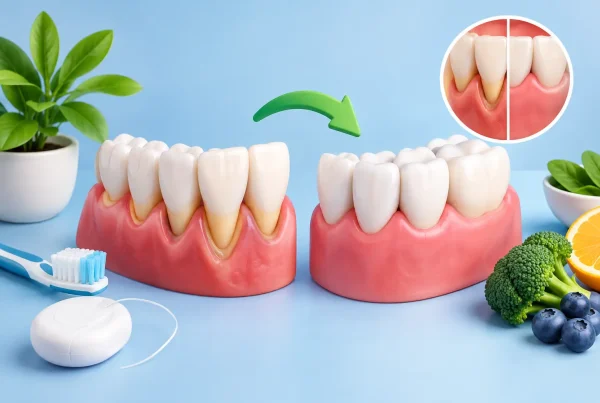
Once the immediate issue is treated, it is worth asking why it happened. Repeated broken fillings, sore gums, tooth wear, clenching or recurring infections may point to an underlying concern that needs a longer-term plan.
A follow-up appointment may involve checking old restorations, treating gum disease, discussing a protective night guard, replacing a missing tooth or setting up preventive care. These conversations are not about adding unnecessary treatment. They are about reducing the chance of another painful surprise.
At Riverina Dental Albury, emergency support is backed by ongoing care, so you can move from urgent relief to a personalised plan that supports your comfort, oral health and budget. If something does not feel right with your teeth or gums, trust that instinct and seek advice early. A timely call can bring reassurance when you need it most.