
A tooth can look perfectly fine while decay is developing beneath the surface. That is one reason tooth decay is so common: it often starts without pain, then becomes harder and more costly to treat when it is left alone. The good news is that decay is largely preventable, and early treatment is usually straightforward.
At Riverina Dental Albury, we help patients understand what is happening in their mouth without judgement or confusing jargon. Whether you have noticed sensitivity, a visible hole, or simply have not had a check-up in a while, the first step is to assess the problem early and discuss options that suit your needs and budget.
What tooth decay does to a tooth
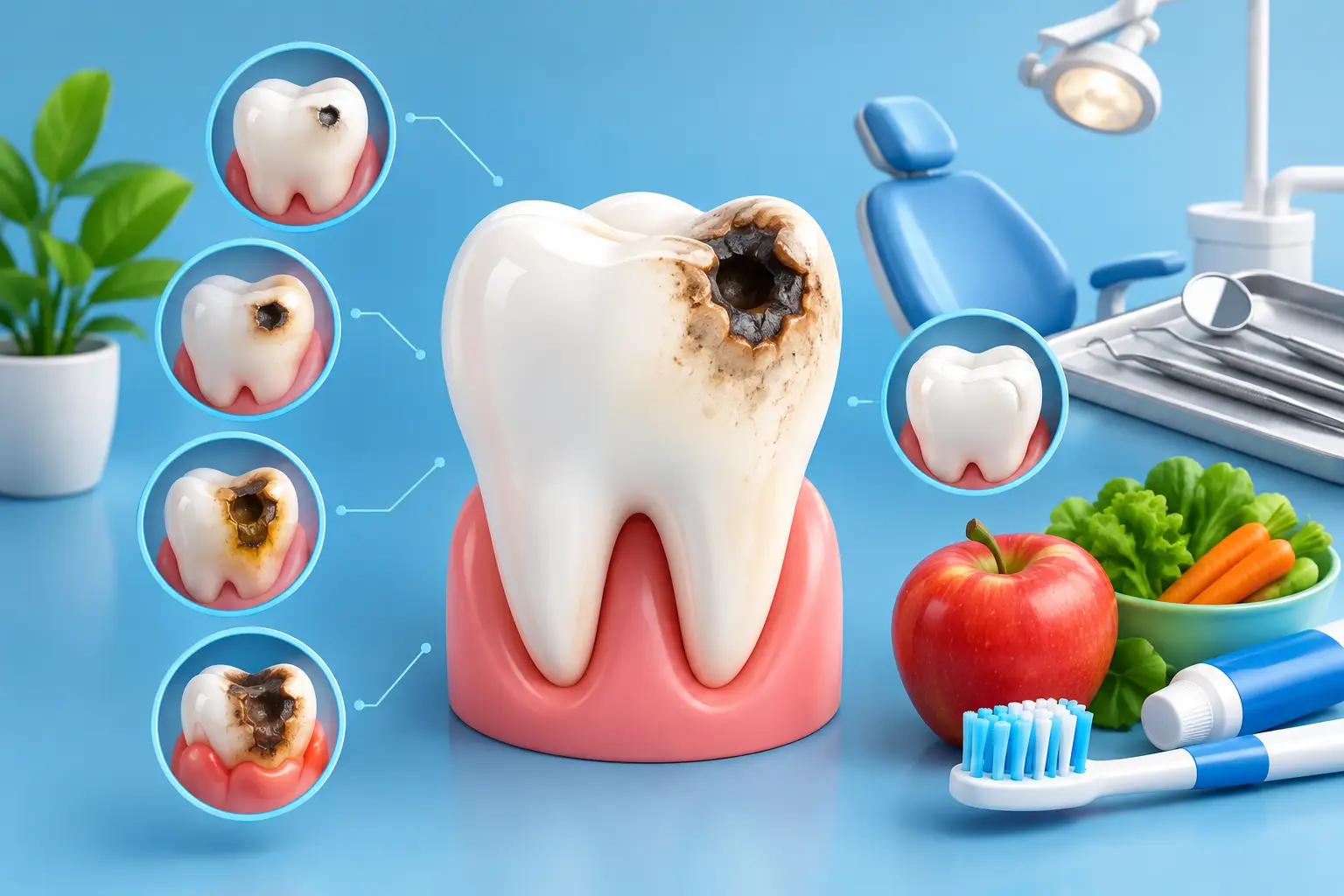
Tooth decay, also called dental caries, happens when plaque bacteria feed on sugars and starches left on the teeth. As the bacteria process these foods, they produce acids. Over time, repeated acid attacks weaken the enamel, which is the hard outer layer of the tooth.
At first, this may appear as a chalky white area where minerals are being lost from the enamel. With the right home care, fluoride and professional advice, an early area of enamel damage can sometimes be stabilised before a cavity forms. Once decay creates a hole in the tooth, however, the tooth cannot repair that structure on its own.
Decay can then travel through the softer layer beneath the enamel, called dentine. This is often when cold drinks, sweet foods or biting pressure begin to cause sensitivity. If bacteria reach the pulp, the living tissue inside the tooth, pain can become intense and an infection or abscess may develop.
Signs of tooth decay worth acting on
Pain is not the only warning sign. In fact, waiting for a toothache is one of the most common reasons a small issue becomes a bigger treatment need. Arrange a dental assessment if you notice sensitivity to hot, cold or sweet foods, pain when chewing, food repeatedly catching in one spot, a dark mark or visible hole, rough or broken tooth edges, or persistent bad taste or bad breath.
Some decay is not visible in the mirror. It can form between teeth, beneath an old filling, or around the edge of a crown. Regular examinations and, where clinically appropriate, dental X-rays allow your dentist to identify these areas before they cause significant discomfort.
A sore tooth does not always mean decay, and decay does not always cause soreness. Gum disease, cracked teeth and clenching can create similar symptoms, which is why an accurate examination matters.
When tooth decay becomes urgent
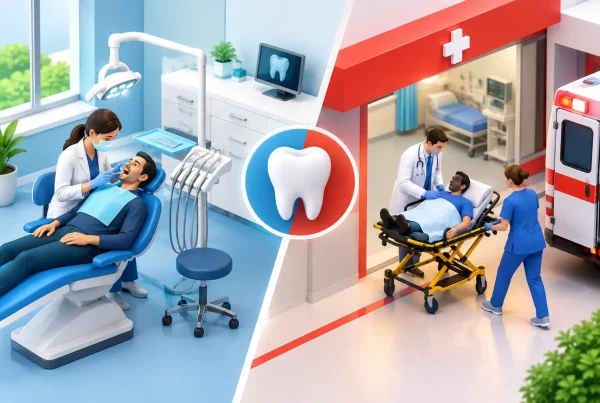
Contact a dentist promptly if you have severe or worsening tooth pain, facial swelling, a swelling on the gum, fever, difficulty opening your mouth, or trouble swallowing or breathing. Dental infections need timely care and should not be managed by pain relief alone.
If you are dealing with a dental emergency outside standard hours, seeking urgent advice can help you understand the safest next step. Prompt treatment can often relieve pain and protect more of the natural tooth.
Treatment for tooth decay depends on the stage
There is no one-size-fits-all treatment. The right option depends on how deep the decay is, which tooth is affected, whether there is infection, and how much healthy tooth structure remains.
For very early enamel changes, your dentist may recommend fluoride treatment, improvements to brushing and cleaning between teeth, and monitoring at regular visits. This approach is designed to slow or stop further mineral loss before drilling is needed.
When there is a cavity, a filling is commonly used. The decayed tooth material is carefully removed and the space is restored, often with a tooth-coloured composite material. A filling is a conservative option when enough healthy tooth remains to support it.
A larger area of decay may weaken the tooth, particularly if it affects a back tooth that takes heavy biting forces. In these cases, a more substantial restoration such as a crown may offer better protection. There is a trade-off: crowns involve more treatment and cost than a small filling, but can be the more durable choice for a heavily damaged tooth.
If decay has reached the nerve, root canal treatment may be recommended to remove infected tissue and retain the tooth. After root canal treatment, the tooth often needs a strong final restoration, commonly a crown. If a tooth cannot be saved, removal may be necessary. Replacement options can include a bridge, denture or dental implant, depending on your oral health, preferences and treatment goals.
A clear discussion of these choices is important. Good dental care is not about pushing the most extensive treatment. It is about explaining what will address the immediate issue, what will protect your longer-term oral health, and what is realistically manageable for you.
How to prevent tooth decay at home
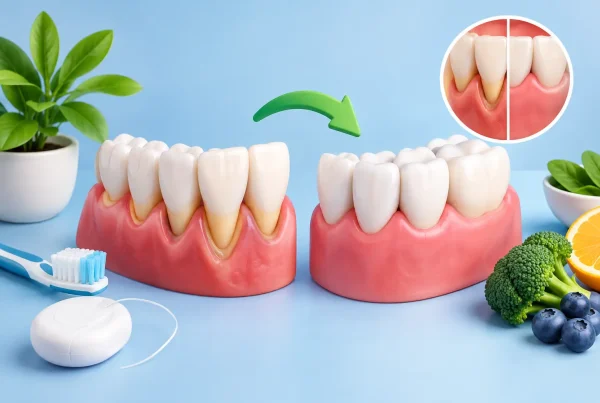
Daily habits make the biggest difference because plaque builds up every day. Brush twice daily for two minutes using a fluoride toothpaste, and spit out the excess rather than rinsing straight away. This leaves fluoride on the teeth for longer.
Cleaning between teeth once a day is just as valuable, especially because toothbrush bristles cannot properly clean the contact points between teeth. Floss, interdental brushes or another suitable interdental cleaner can be effective. The best option is the one you can use consistently and comfortably.
Food and drink choices matter too, but it is not only about how much sugar you consume. Frequency matters. Sipping soft drink, cordial, energy drinks, juice or sweetened coffee over several hours keeps exposing teeth to acid and sugar. Keeping sugary foods and drinks to meal times where possible gives your saliva a chance to neutralise acids between eating occasions.
Water is usually the best everyday drink. Chewing sugar-free gum after a meal can also support saliva flow for some people. If you experience dry mouth due to medication, medical treatment or mouth breathing, let your dentist know. Saliva is one of the mouth’s natural defences against decay, so dry mouth can increase risk.
Regular professional cleans and dental examinations support your home routine. They remove hardened plaque that cannot be brushed away and allow small problems to be found early. The ideal recall interval varies from person to person. Someone with a low risk of decay may need less frequent reviews than a person with dry mouth, active gum disease, multiple restorations or a history of repeated cavities.
Why decay can return around old dental work
A filling does not make a tooth immune to future decay. New decay can form at the edge of a filling, crown or bridge if plaque collects there regularly. Older restorations can also wear, chip or develop gaps over time.
This is not a reason to feel discouraged. It is a reason to keep up maintenance. Careful brushing along the gumline, cleaning between teeth and attending reviews gives your dentist the opportunity to spot changes while the treatment remains simpler.
Pregnancy, changes in diet, stress, reflux, diabetes and certain medications can also affect oral health. If your circumstances have changed, mention it at your appointment. Your dental plan should reflect your current needs, not just what worked years ago.
Do not wait for a cavity to hurt
It is understandable to put off an appointment when life is busy or you are worried about cost. Yet early care is often less invasive than emergency treatment after a tooth has fractured or become infected. If you are anxious about dentistry, tell the team before your visit. Gentle care, clear explanations and a staged treatment plan can make the process feel far more manageable.
A healthy smile is built through small, consistent actions and timely support when something changes. If a tooth feels different, looks different or simply has not been checked in some time, a calm dental assessment can give you clarity and a practical path forward.