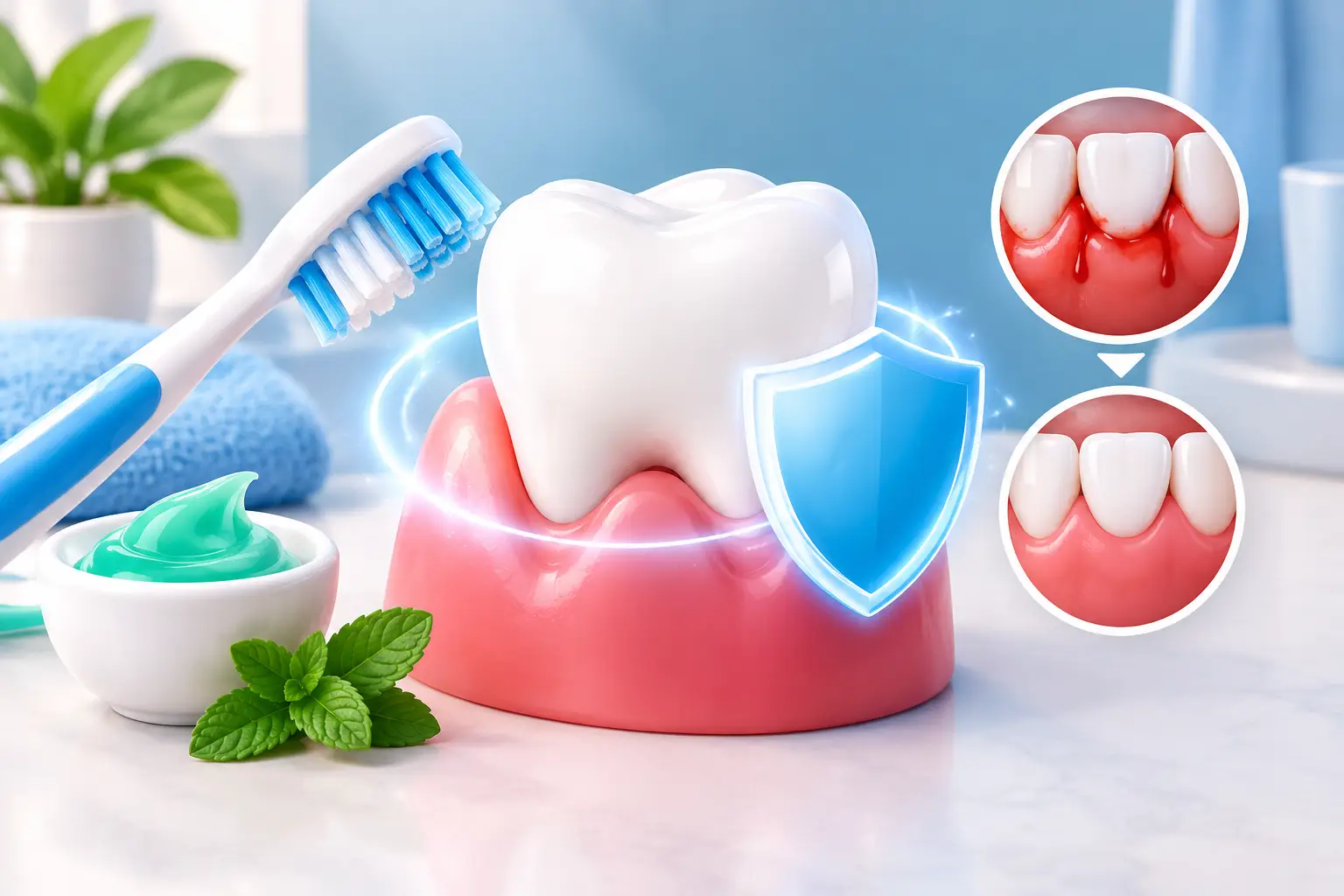

A pink toothbrush or blood in the basin after brushing can be unsettling, but bleeding gums are common and usually a sign that your gums need attention. Knowing how to stop bleeding gums starts with avoiding the temptation to brush less. In many cases, consistent gentle cleaning and timely dental care can settle inflammation before it becomes a bigger problem.
Gums should not bleed during normal brushing or cleaning between teeth. Even if the bleeding is light and painless, it is worth taking seriously. Gum disease can develop quietly, and early treatment is generally simpler, more comfortable and more budget-friendly than treating advanced problems later on.
First steps to stop bleeding gums at home
If your gums have started bleeding, keep up your daily oral hygiene rather than avoiding the area. Plaque is a soft, sticky film of bacteria that gathers along the gumline. When it is not removed well enough, the gums can become inflamed, swollen and more likely to bleed.
Use a soft brush and a gentle technique
Choose a soft-bristled toothbrush and brush twice a day for two minutes. Place the bristles at the gumline and use small, gentle movements. Scrubbing hard does not clean teeth better, and it can irritate delicate gum tissue or wear the tooth surface near the gums.
An electric toothbrush can be helpful for some people, particularly if it has a pressure sensor. It is not essential, though. A manual toothbrush used carefully and consistently can work very well.
Clean between your teeth every day
Your toothbrush cannot reach the tight spaces between teeth, where plaque often remains. Floss, interdental brushes or a water flosser may help, depending on the size of the spaces and the condition of your gums.
It is normal for inflamed gums to bleed when you first start cleaning between teeth regularly. Continue gently for around one to two weeks. If the bleeding does not improve, becomes heavier or is accompanied by pain and swelling, arrange a dental check-up rather than pushing through discomfort.
Be cautious with rinses and home remedies
Warm salt-water rinses may soothe a sore mouth temporarily, but they do not remove plaque or treat gum disease. Antiseptic mouth rinses can be useful in selected situations, yet they are not a substitute for brushing, cleaning between teeth or professional treatment. Some products can also stain teeth or alter taste when used for too long, so it is best to use them on advice from your dentist.
Avoid using aspirin directly on gums, harsh peroxide mixtures or abrasive home remedies. These can burn or further irritate the soft tissues.
Why do gums bleed?
The most frequent cause of bleeding gums is gingivitis, the early stage of gum disease. Plaque builds up around teeth and triggers an immune response in the gums. They may look redder than usual, feel tender, appear puffy or bleed during brushing and flossing.
Gingivitis is often reversible with a thorough professional clean and improved daily plaque removal. The challenge is that it can be easy to ignore because it may not hurt.
If inflammation is left untreated, it can progress to periodontitis. This is a more serious form of gum disease in which infection affects the supporting structures around the teeth. Symptoms may include persistent bleeding, bad breath, receding gums, loose teeth or changes in how teeth fit together. Periodontitis requires personalised care to help control the disease and protect the teeth you have.
Bleeding does not always mean gum disease. A new toothbrush technique, poorly fitting dentures, a broken filling edge or food trapped between teeth can all irritate gums in one area. Hormonal changes, including during pregnancy, can make gums more sensitive to plaque. Smoking and vaping can affect gum health too, although smoking sometimes masks bleeding by reducing blood flow to the gums.
Some medicines, particularly blood-thinning medication, may make bleeding more noticeable. Medical conditions and nutritional deficiencies can also play a role. Do not stop prescribed medicine because of bleeding gums. Let your dentist and GP know about your symptoms and current medications so your care can be planned safely.
When to see a dentist for bleeding gums
A dental examination is sensible when bleeding continues beyond two weeks of careful home cleaning, returns regularly, or affects more than one area of your mouth. Your dentist can check for tartar, also called calculus, which is hardened plaque that cannot be brushed away at home.
Seek prompt advice if you notice any of the following:
- bleeding that is heavy, spontaneous or difficult to stop
- swollen gums with pus, a bad taste, fever or facial swelling
- a loose tooth, gum recession or a new gap between teeth
- mouth sores or bleeding that does not heal within two weeks
Facial swelling, trouble swallowing, difficulty breathing or uncontrolled bleeding needs urgent medical attention. Dental emergencies can feel worrying, especially after hours. Riverina Dental Albury offers emergency support so local patients can seek clear guidance and timely care when a dental concern cannot wait.
How a dentist can help stop bleeding gums
A proper assessment looks beyond the blood you can see. Your dentist will ask about your health history, medicines and oral-care routine, then examine your gums for inflammation, plaque and tartar. They may measure the small spaces between gums and teeth, known as periodontal pockets, and take X-rays if needed to assess bone support.
For early gum inflammation, a professional scale and clean may be enough to remove plaque and tartar from above the gumline. You will also receive practical guidance on brushing and cleaning between your particular teeth. The right interdental brush size, for example, can make a meaningful difference.
Where gum disease has progressed below the gumline, treatment may involve deeper cleaning over one or more visits. This is often called periodontal treatment. Your dentist will explain what is involved, how comfort will be managed and what results are realistic. The goal is to reduce infection and inflammation, then maintain stability with regular reviews.
Treatment is not one-size-fits-all. Someone with mild gingivitis may need a clean and a more consistent routine, while someone with diabetes, smoking history, extensive tartar or established periodontitis may need closer monitoring. A personalised plan gives you a clearer path forward without unnecessary treatment.
Keeping your gums healthy once bleeding settles
When the bleeding improves, keep the habits that helped it settle. Brush gently twice daily with fluoride toothpaste, clean between teeth each day and attend the preventive visits recommended for your situation. For some people, six-monthly checks are suitable. Others benefit from more frequent gum maintenance, especially after periodontal treatment.
Diet supports gum health as well. Limit frequent sugary snacks and drinks, drink plenty of water, and choose balanced meals that support your overall health. If you smoke or vape, reducing or quitting can significantly benefit your gums as well as your general wellbeing.
Do not wait for pain before making an appointment. Bleeding gums are often an early warning that gives you the chance to act before the problem becomes more complex. A gentle examination and an honest conversation about your options can help you feel comfortable taking that next step for your smile.