
Waking with a tight jaw, a dull headache near your temples, or teeth that feel oddly sensitive can make a normal morning feel hard work. The best ways to stop grinding your teeth begin with recognising what is happening, protecting your teeth from further wear, and finding the cause rather than simply putting up with the discomfort.
Teeth grinding, also called bruxism, can happen while you are asleep or while you are awake and concentrating, driving, exercising or feeling under pressure. Some people clench rather than grind, which can be just as hard on the jaw joints and teeth. It is common, treatable and worth addressing early, particularly if symptoms are becoming more frequent.
Why teeth grinding deserves attention
Your teeth are designed to bite and chew, not to withstand hours of heavy pressure. Repeated grinding can flatten or chip teeth, wear through enamel, loosen fillings and crowns, and aggravate sensitive teeth. It can also strain the muscles around the jaw and contribute to facial pain, headaches and clicking or tenderness in the jaw joint.
Not every case needs complex treatment. For some people, a few changes to daytime habits and sleep routines make a genuine difference. For others, grinding is linked with a bite problem, stress, certain medicines, sleep disturbance or another health concern. A dental assessment helps separate a short-term issue from a pattern that could cause lasting damage.
Best ways to stop grinding: start with the pattern
Before trying to fix the problem, notice when it occurs. Sleep grinding is often reported by a partner, while daytime clenching is easier to catch yourself doing. Pay attention for a week or two. Do your teeth touch while answering emails? Does your jaw ache after a long drive? Are headaches worse after a poor night’s sleep?
At rest, your lips can be together but your upper and lower teeth should usually be apart. This simple position gives the jaw muscles a break. A useful reminder is: tongue resting lightly against the roof of the mouth, teeth apart, jaw relaxed. Set a discreet reminder on your mobile during the day until this becomes more natural.
It also helps to look for triggers. Caffeine late in the day, alcohol, smoking, poor sleep and periods of heightened stress can worsen grinding for some people. That does not mean one coffee is necessarily the cause, or that grinding is your fault. It means small, realistic adjustments are worth testing.
Create a calmer wind-down before bed
Sleep bruxism cannot always be stopped by willpower, as it occurs without conscious control. However, reducing tension before bed may reduce the muscle activity that makes symptoms worse for some people.
Try giving yourself 30 minutes away from work, scrolling and difficult conversations before sleep. A warm shower, gentle neck and jaw stretches, quiet reading, slow breathing or relaxing music can signal that the day is over. Keep the routine simple enough to repeat. A demanding wellness routine is unlikely to help if it becomes one more thing to get right.
Avoid chewing gum in the evening if your jaw is sore. Gum can overwork already tense jaw muscles. Choose softer foods for a few days during a flare-up, and avoid repeatedly testing your bite or moving your jaw to make it click. If you wake with significant pain, a warm compress on the side of the face may ease muscle tenderness temporarily.
Be thoughtful about caffeine, alcohol and sleep
There is no single bedtime rule that suits everyone, but timing matters. If you notice that coffee, energy drinks or pre-workout products leave you wired at night, move them earlier in the day. Alcohol may make it easier to fall asleep but can disrupt sleep later in the night, and some people find their grinding is worse after drinking.
Snoring, gasping, frequent waking, overwhelming daytime tiredness or witnessed pauses in breathing should not be ignored. Sleep-related breathing problems can be associated with teeth grinding in some people. Your dentist may recommend discussing these symptoms with your GP or a sleep specialist, particularly when a night guard alone is not addressing the problem.
Protect teeth while you work on the cause
A professionally made occlusal splint, often called a night guard, can protect the biting surfaces of your teeth from direct grinding forces. It is custom-fitted to your mouth and designed around your bite, making it more comfortable and reliable than a generic option for many patients.
A splint is protective treatment, not always a complete cure. You may still clench or grind while wearing it, but the device helps reduce damage to teeth and restorations. It can be especially valuable where there is visible wear, cracking, repeated breakage of dental work or morning jaw pain.
Chemist-bought guards may suit a very short-term purpose for some people, but they can be bulky, poorly fitting or encourage an uneven bite if used without guidance. Do not try to reshape your teeth, alter a guard yourself, or use an old appliance that no longer fits properly. Teeth can move over time, particularly after orthodontic treatment.
Book a dental assessment when symptoms persist
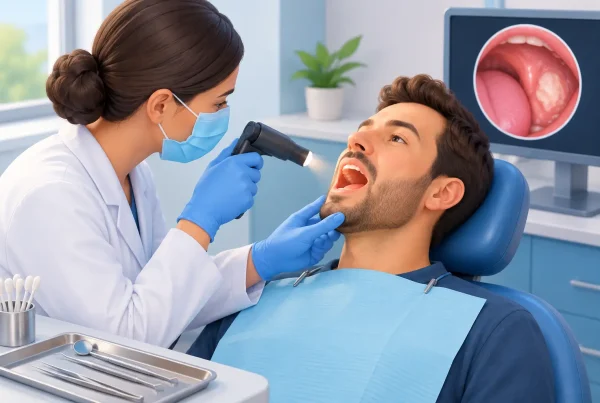
A dentist can check for the signs that grinding leaves behind: worn or fractured tooth edges, cracks, tender jaw muscles, gum recession around overloaded teeth, and damage to fillings, crowns or implants. They will also ask about pain, sleep, stress, medicines and any history of jaw problems.
This assessment is not about blaming stress or jumping straight to extensive treatment. It is about building a plan that fits what your mouth needs now. That might mean monitoring mild wear, making a custom splint, repairing a cracked tooth, adjusting a rough filling, treating sensitivity, or discussing whether orthodontic or restorative treatment could improve a damaging bite pattern.
If you have a crown, bridge, denture, implant or veneers, mention any new grinding symptoms promptly. These restorations can be very successful, but excessive force may shorten their lifespan. Protecting them early is often simpler and more budget-conscious than waiting for a fracture or emergency repair.
At Riverina Dental Albury, the focus is on gentle, personalised care and clear explanations. If you are anxious about dental treatment or have put off an appointment because your jaw pain feels manageable, let the team know. A calm assessment can help you understand your options without pressure.
Know when grinding needs urgent attention
Grinding itself is not usually an emergency, but some related symptoms need timely care. Contact a dentist if a tooth cracks, a filling falls out, pain becomes severe, you cannot bite normally, or swelling develops. Sudden jaw locking, a major change in how your teeth meet, or persistent pain that affects eating and sleep should also be assessed.
A severe headache with neurological symptoms, chest pain, trouble breathing, facial weakness or significant swelling requires urgent medical attention rather than waiting for a routine dental appointment.
Give change enough time, but do not ignore damage
Muscle soreness may settle over days or weeks once triggers are reduced and your jaw gets more rest. Tooth wear, chips and cracks do not heal on their own, so they need professional monitoring even when discomfort improves. Keep note of what helps, bring any existing mouthguard to your appointment, and be honest about your sleep and stress patterns.
Your jaw should not have to do the night shift. A few practical changes, paired with the right dental advice when needed, can protect your smile and make mornings feel considerably more comfortable.