
A chipped tooth can happen in a second – biting an olive pit, taking a knock during sport, or finding a hard piece of food in an otherwise ordinary meal. If you are searching “can a dentist fix chipped tooth”, the reassuring answer is usually yes. The right repair depends on how much tooth has broken away, where the chip is located and whether the nerve inside the tooth has been affected.
Even a small chip deserves a dental assessment. It may feel minor at first, but a rough edge can cut your tongue, expose a sensitive area or place the remaining tooth at greater risk of cracking.
Can a dentist fix a chipped tooth?
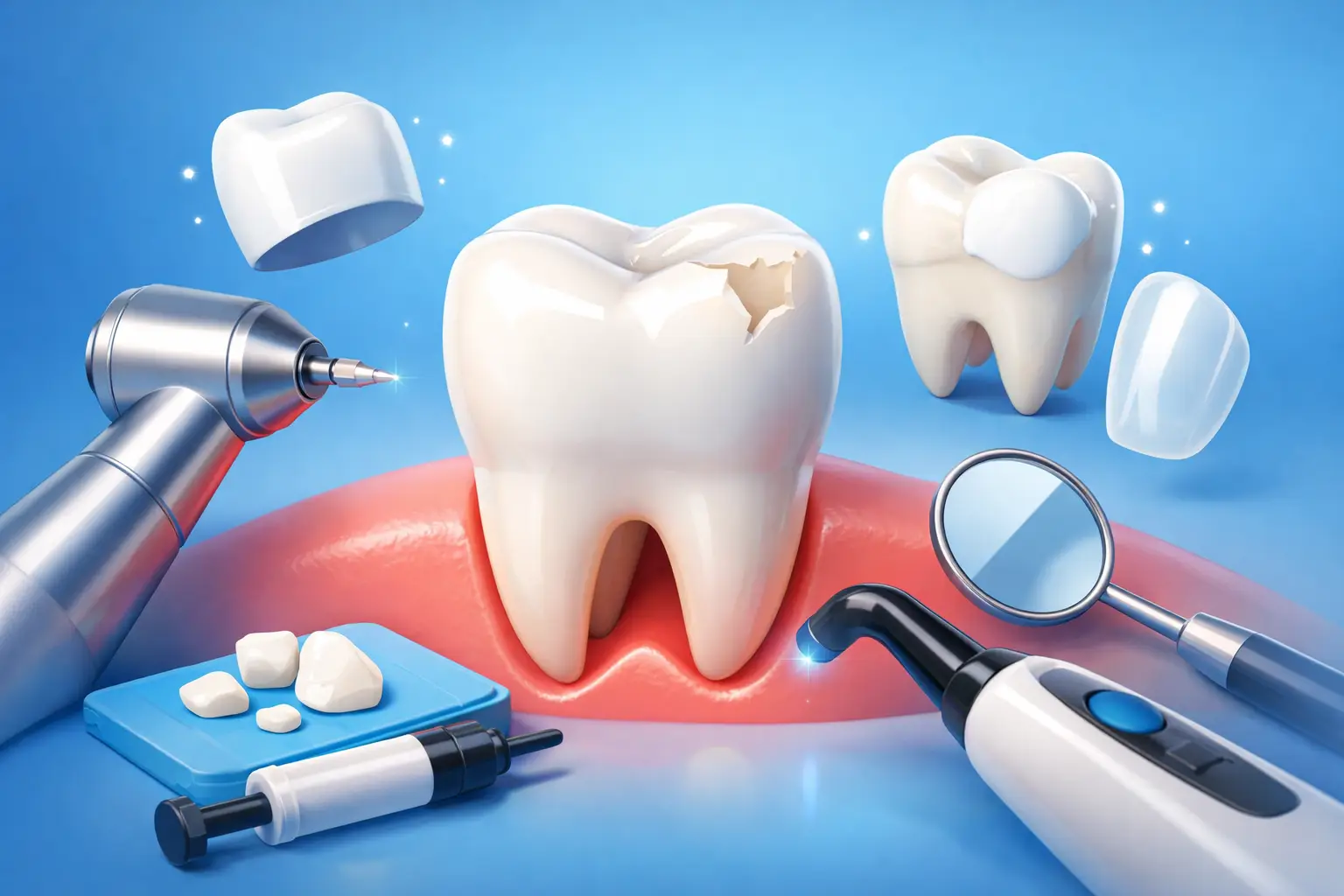
Dentists can repair many chipped teeth with treatments that restore comfort, strength and appearance. In simple cases, the fix may be completed in one appointment. Larger breaks may need a more protective restoration, particularly when the tooth is used heavily for biting or chewing.
The key is not to choose a treatment based on appearance alone. A front tooth chip may be highly visible but structurally small, while a less noticeable back tooth fracture can be more serious because it takes greater chewing pressure. Your dentist will check the tooth, surrounding gums and bite, and may take an X-ray to see whether the damage reaches beneath the surface.
A repair should feel comfortable when you bite, blend naturally with your smile and protect the tooth from further damage. The most suitable option is often the one that preserves as much healthy tooth structure as possible while still giving the tooth enough support.
What treatment options are available?
Smoothing or reshaping for a very small chip
When only a tiny amount of enamel has chipped, your dentist may be able to gently smooth and polish the rough edge. This is sometimes called enamel contouring. It can be a practical solution where the tooth remains strong and there is enough enamel to reshape without affecting its function.
It is a conservative option, although it is not right for every chip. Removing more enamel simply to make a larger break look even is rarely the best approach.
Composite bonding for small to moderate chips
Composite bonding is one of the most common ways to repair a chipped front tooth. A tooth-coloured resin is carefully matched to your natural shade, shaped onto the tooth and hardened with a special light. The dentist then refines and polishes the surface so it looks and feels natural.
Bonding is usually completed in a single visit and involves little or no removal of healthy tooth structure. It is a popular choice for visible chips because it can provide an immediate cosmetic improvement without the commitment of a crown or veneer.
Composite is durable, but it can stain, wear or chip over time, especially if you bite nails, chew ice or grind your teeth. It can usually be repaired or refreshed, which is one advantage. Your dentist may recommend a night splint if grinding is contributing to the damage.
Veneers where appearance is the main concern
A porcelain or composite veneer may be considered when a front tooth has a larger chip, an uneven shape or other cosmetic concerns such as longstanding discolouration. Veneers cover the front surface of the tooth and can create a refined, balanced result.
Porcelain generally resists staining well and can be an excellent long-term option. However, it is a more involved treatment than bonding and may require some preparation of the tooth. For a single, straightforward chip, a veneer is not automatically necessary. A personalised discussion helps weigh the cosmetic goal, the condition of the tooth and your budget.
Crowns for a weakened or heavily broken tooth
If a significant portion of the tooth is missing, a dental crown may offer better protection. A crown covers the entire visible part of the tooth, helping it withstand normal chewing forces and reducing the chance of further fracture.
Crowns are often used for back teeth with large breaks, or for front teeth where the remaining structure is too weak for bonding alone. They require more preparation than composite bonding, but can be the more reliable choice when strength is the priority.
Root canal treatment when the nerve is affected
A deep chip can expose or inflame the dental pulp, commonly called the nerve. Signs may include severe lingering sensitivity to hot or cold, throbbing pain, swelling, or a pink or red area within the broken tooth. In these cases, root canal treatment may be needed before the tooth is rebuilt with a filling or crown.
This can sound daunting, but treating the inside of the tooth is often what allows a painful or badly damaged tooth to be saved. Prompt care gives the best chance of keeping the tooth healthy and functional.
What to do straight after chipping a tooth
Rinse your mouth gently with warm water to clear away any debris. If you can find the broken piece, place it in a clean container with milk or saliva and bring it to your appointment. Occasionally, it may be possible to reattach it, although this depends on the type and location of the fracture.
If there is bleeding, apply gentle pressure with clean gauze. A cold pack on the outside of the cheek can help reduce swelling after a knock. Avoid chewing on the affected side, and choose soft foods until the tooth is assessed.
Do not try to glue the piece back yourself. Household adhesives are not safe for use in the mouth and can make a professional repair more difficult. If the edge is sharp, dental wax from a pharmacy may temporarily protect your tongue or cheek. Sugar-free chewing gum can sometimes be used as a short-term cover, but it is not a substitute for treatment.
When is a chipped tooth an emergency?
Not every chip requires treatment in the next hour, but some do need urgent attention. Contact a dentist promptly if the tooth is very painful, loose, bleeding heavily, visibly cracked down towards the gumline, or if you have facial swelling. A chip following a fall, sporting injury or car accident should also be assessed quickly, even if the tooth initially seems fine.
Seek urgent dental care if a large piece has broken off, the tooth has changed colour, or you can see a red or pink spot in the centre of the tooth. These can indicate deeper damage. If a tooth has been completely knocked out, time is especially important. Handle it by the crown rather than the root, gently rinse it if dirty, and contact an emergency dentist immediately.
How much does it cost to fix a chipped tooth?
The cost varies because the treatment varies. A simple polish is very different from composite bonding, a veneer, crown or root canal treatment. The location of the tooth, how much structure remains, the materials used and whether emergency treatment is needed can all affect the fee.
A good dental plan should make the options clear before work begins. Sometimes a lower-cost repair such as composite bonding is a sensible first step. In other situations, choosing the strongest long-term restoration may prevent repeated repairs and greater expense later. There is no single right answer without examining the tooth.
At Riverina Dental Albury, treatment planning is tailored to the condition of your tooth, your priorities and your budget. You should feel comfortable asking what each option involves, how long it is expected to last and what care will help protect the result.
Protecting your repaired tooth
Once your tooth has been repaired, avoid using it to open packaging or bite hard objects. If you play contact sport, a properly fitted mouthguard is one of the most valuable ways to protect your teeth. Regular check-ups also allow small chips, worn fillings and bite problems to be identified before they become larger fractures.
A chipped tooth is often very treatable, and early attention usually means more conservative choices. If something feels rough, sensitive or simply not right when you bite, arranging a dental visit sooner can help keep a small repair from becoming a bigger problem.