Seeing more of a tooth than you used to can be unsettling. Perhaps your teeth look longer in photos, cold water causes a sharp twinge, or you have noticed a notch close to the gumline. A common question is: can gums grow back? In most cases, gum tissue that has receded will not grow back on its own. The good news is that early care can often stop recession getting worse, reduce sensitivity and, in suitable cases, restore gum coverage with treatment.
Gum recession deserves attention, but it is not a reason to panic. The right next step depends on why it has happened, how much support the tooth has lost and what outcome matters most to you. A gentle dental assessment can turn an uncertain change into a clear, manageable plan.
Can gums grow back naturally?
Gums are specialised soft tissue. Unlike a small cut on your cheek, receded gum tissue does not usually regenerate and move back up the tooth by itself. Once the root surface is exposed, brushing more carefully or using a particular toothpaste may protect the area and ease sensitivity, but it will not normally replace missing tissue.
That does not mean every case needs surgery. Some recession is stable, causes no discomfort and does not affect the long-term outlook for the tooth. In these situations, the focus may be on preventing further recession and monitoring the area at regular check-ups.
When recession is progressing, roots are sensitive, decay risk is rising or the appearance is troubling you, there are treatment options. Gum grafting is the most established way to add tissue and cover an exposed root in appropriate cases. A dentist may also recommend periodontal treatment, restorative work around worn areas, or changes to your brushing routine before considering graft surgery.
Why gums recede in the first place
Recession is often caused by more than one factor. Understanding the cause matters because a successful treatment should address the pressure that led to the problem, not only improve its appearance.
Gum disease is a major cause. Plaque that is left around the gumline can lead to inflammation, bleeding and infection. Over time, periodontal disease can damage the bone and fibres that hold teeth in place. As this support reduces, the gums may pull away and roots become visible.
Brushing too hard can also contribute. A firm brush, abrasive toothpaste and a vigorous side-to-side scrubbing motion can gradually wear the gumline, particularly around prominent teeth. Clean teeth do not require force. A soft toothbrush and gentle, small movements are usually more effective and kinder to the gums.
Other possible contributors include naturally thin gum tissue, crowded or rotated teeth, clenching and grinding, tobacco use, lip or tongue piercings, and past orthodontic movement where the gum is naturally delicate. Recession can also develop around teeth that have fillings, crowns or decay close to the gumline. Pregnancy-related hormonal changes may make gums more prone to inflammation and bleeding, which is another reason to keep up regular dental care.
What treatment can do for receding gums
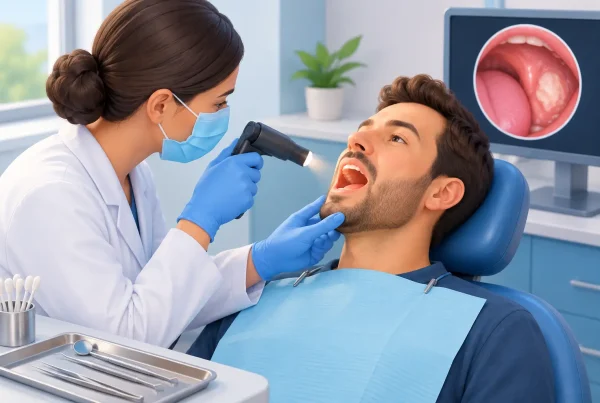
The best treatment is personal. Your dentist will examine the gum tissue, measure any pockets around the teeth, check for bleeding and plaque, assess your bite, and may take X-rays to review the bone supporting your teeth. This helps distinguish simple recession from active gum disease.
Protecting stable recession
If the gums are healthy and recession is not worsening, conservative care may be enough. Your dentist may demonstrate a gentler brushing technique, suggest a soft manual or electric toothbrush, and recommend toothpaste for sensitive teeth. Fluoride treatments can help strengthen exposed root surfaces, which are softer and more vulnerable to decay than enamel.
If a groove or worn section at the gumline is catching plaque or causing sensitivity, a tooth-coloured filling may protect the area. It will not make the gum regrow, but it can improve comfort and make cleaning easier.
Treating gum disease first
Where gum disease is present, the first priority is controlling infection. Professional cleaning above and below the gumline, along with a tailored home-care routine, can reduce inflammation and help the gums become firmer. More advanced periodontal disease may need staged treatment and ongoing maintenance visits.
Healthy gums can sometimes tighten around the teeth after inflammation settles. This is healing rather than true regrowth, and any lost bone or gum tissue may not return. Still, stopping disease progression is one of the most valuable things you can do for your natural teeth.
Gum grafting and root coverage
A gum graft uses tissue, often from another area of your mouth or a suitable donor material, to thicken the gum and cover part or all of an exposed root. It may be recommended when recession is severe, progressing, painful, or creating a significant cosmetic concern.
Results vary. Root coverage tends to be more predictable when there is good bone support between the teeth, the recession is localised, and the contributing cause has been addressed. A graft can improve comfort and resilience, but it cannot guarantee that every millimetre of recession will disappear. Your dentist will explain the likely result, healing period, costs and alternatives before you decide.
Signs you should book a dental visit
Receding gums can be gradual, so it is easy to put off checking them. It is worth arranging an appointment if you notice bleeding when brushing or flossing, persistent bad breath, swelling, loose teeth, a change in how your teeth meet, new sensitivity, or a tooth that appears longer than before.
Do not wait for pain. Gum disease is often painless in its earlier stages, while damage to supporting bone can continue. A check-up gives you a baseline and a chance to deal with small changes before they become more complex and costly to manage.
If you have sudden swelling, facial pain, pus around a tooth, a knocked or loose tooth, or severe dental pain, seek urgent dental advice. These symptoms may need prompt treatment rather than a routine appointment.
Everyday habits that help protect your gums
Good home care makes a genuine difference, particularly after professional treatment. Brush twice a day for two minutes with a soft brush and fluoride toothpaste. Angle the bristles gently towards the gumline rather than scrubbing across it. Clean between the teeth daily with floss or interdental brushes in the size recommended for you.
Avoid smoking or vaping where possible, as nicotine can affect gum healing and make periodontal disease harder to detect and control. If you clench or grind your teeth, mention it at your appointment. A custom night guard may help protect teeth and reduce damaging forces, though it is not a substitute for treating gum disease.
Regular reviews matter because recession can change slowly. The right recall interval depends on your gum health, medical history, home cleaning and previous treatment. For some people, six-monthly check-ups are suitable; for others with periodontal concerns, more frequent maintenance is helpful.
A calm, practical next step
There is no single answer for every receding gumline. Some people only need gentler brushing and monitoring, while others benefit from targeted periodontal care or a gum graft. What matters is finding the cause early and choosing treatment that protects your comfort, confidence and long-term oral health.
At Riverina Dental Albury, we can assess gum recession carefully, explain your options in plain language and work with you on a personalised treatment plan that feels manageable. If you have noticed a change in your gums, booking a check-up now can give you clarity and help protect the smile you rely on every day.