A cracked tooth on a Sunday, a throbbing toothache that keeps you awake, or swelling that seems to be getting worse can leave you wondering: private dentist vs hospital emergency, where should you go? The right choice depends on whether the problem is primarily dental or whether it has become a serious medical emergency.
For many urgent tooth, gum and jaw problems, a private emergency dentist is best placed to diagnose the cause and provide treatment that protects the tooth and relieves pain. A hospital emergency department is essential when there are signs that your breathing, swallowing, safety or general health could be at risk.
Private dentist vs hospital emergency: the key difference
Hospital emergency departments are designed to stabilise serious illness and injury. Their priority is protecting your airway, controlling significant bleeding, managing severe trauma and treating infections that may be affecting your wider health. They are vital services, but they do not usually provide definitive dental treatment such as fillings, root canal treatment, extraction of a damaged tooth, replacement of a lost restoration or repair of a broken denture.
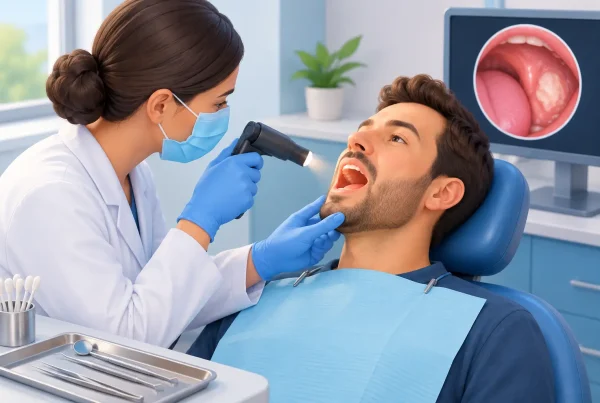
A private dentist focuses on finding and treating the source of a dental problem. This may involve taking dental X-rays, draining a localised dental infection where appropriate, placing a temporary or permanent restoration, smoothing a sharp broken tooth, re-cementing a crown, treating an injured tooth or planning extraction. Just as importantly, your dentist can explain what caused the emergency and what needs to happen next to reduce the chance of another painful episode.
If you attend hospital with a toothache or minor dental injury, the team may help manage pain or infection and advise you to see a dentist. That care can be necessary, especially outside normal hours, but it is often a bridge to dental treatment rather than the complete solution.
When to contact an emergency dentist
Contact a private emergency dentist promptly when you have pain, damage or discomfort centred on your teeth, gums, jaw or dental work, but you are otherwise medically stable. Fast assessment can often make treatment simpler and improve the chance of saving a tooth.
Common reasons to seek urgent dental care include a severe or persistent toothache, a chipped, cracked or broken tooth, a tooth knocked loose, a lost filling, crown or veneer, a broken denture, painful wisdom teeth, gum swelling, or a dental abscess without breathing or swallowing difficulty. A dentist can also assess ongoing bleeding after a dental procedure and advise what is normal and what needs attention.
Dental infections deserve timely care. An abscess may start as a sore tooth, a pimple-like swelling on the gum, a bad taste, or facial tenderness. Antibiotics are not always the answer on their own. In many cases, the source of infection also needs dental treatment, such as drainage, root canal treatment or removal of the affected tooth. Delaying care can allow pain and infection to progress.
At Riverina Dental Albury, emergency care is approached with the same gentle, personalised attention as planned treatment. The aim is to help you feel heard, ease discomfort where possible and give you a clear path forward that considers both your immediate needs and your budget.
When a hospital emergency department is the safer choice
Go to the nearest hospital emergency department, or call 000, if a dental problem is accompanied by signs of a potentially serious medical emergency. Do not wait for a routine dental appointment if you have:
- difficulty breathing, swallowing or opening your mouth because of swelling
- swelling spreading into the neck, under the jaw, around the eye or across the face
- uncontrolled bleeding from the mouth after firm pressure has been applied
- a major facial or jaw injury, especially after a vehicle accident, fall or assault
- loss of consciousness, confusion, severe weakness or other concerning symptoms after trauma.
These signs can indicate an infection or injury requiring urgent medical assessment. If you are struggling to breathe or swallow, call 000 rather than attempting to drive yourself. If possible, have someone stay with you while help is arranged.
Hospital care is also appropriate when dental trauma occurs alongside suspected head, neck or facial fractures. A knocked-out tooth is time-sensitive, but a possible head injury takes priority. Once you have been medically assessed and stabilised, arrange follow-up with a dentist as soon as practical for care of your teeth and bite.
What to do while arranging help
The first few hours can influence comfort and outcomes. For tooth pain, gently rinse with warm salty water and remove trapped food with floss if you can do so comfortably. Use pain relief only as directed on the packet or by your health professional. Avoid placing aspirin or other pain relief directly onto the gum, as this can burn soft tissue.
For swelling, use a cold compress against the outside of your cheek in short intervals. Avoid heat, as it may worsen swelling in some situations. Try to keep your head elevated when resting, and choose soft foods that are not very hot, cold or sugary if temperature triggers are causing discomfort.
If a tooth is knocked out, hold it by the crown, not the root. If it is dirty, rinse it gently in milk or saline without scrubbing. If it is an adult tooth and you can safely place it back into the socket, do so gently and bite on clean gauze. If this is not possible, keep it moist in milk or saliva and seek emergency dental advice immediately. Do not place a knocked-out tooth in tissue or leave it to dry out.
For a broken tooth, keep any pieces you can find and bring them to the appointment. Cover a sharp edge with dental wax if available, or sugar-free chewing gum as a very short-term measure, taking care not to swallow it. Do not use household glue to repair a crown, denture or tooth.
Why follow-up matters after hospital care
Even when hospital treatment has relieved pain, reduced swelling or addressed a serious injury, the dental cause may still be present. A decayed or cracked tooth, gum infection, damaged nerve or unstable crown rarely resolves permanently without dental assessment.
Follow-up also allows your dentist to check how your teeth meet together, assess hidden cracks and review the health of nearby teeth and gums. After a facial injury, some problems can be missed in the first hours because swelling and shock mask symptoms. Ongoing sensitivity, a changed bite, loose teeth or numbness should be assessed.
A private practice can coordinate the next stage of treatment, whether that is a simple filling, root canal treatment, a crown, extraction, replacement options or a longer-term plan to restore function. Clear explanations matter when you are in pain, particularly if anxiety or cost concerns have made it hard to seek care sooner.
Choosing the right place without delay
A useful rule is simple: choose a dentist for urgent dental treatment, and choose hospital for danger signs affecting breathing, swallowing, major bleeding, serious trauma or your overall medical safety. If you are unsure, describe your symptoms clearly when you call. Mention when the pain or swelling began, whether it is worsening, any fever, recent dental treatment, medical conditions and medications.
You do not need to endure escalating tooth pain in the hope it will settle. Acting early can mean a more comfortable appointment, more treatment options and a better chance of keeping your natural tooth. When the situation feels uncertain, seek advice promptly and let the severity of your symptoms guide the next step.