
A dental visit should never feel like a test you can fail. This dental checkup guide is here to remove some of the uncertainty, whether it has been six months or several years since you last sat in the dental chair. A good checkup is simply a chance to understand what is happening in your mouth, prevent small concerns becoming painful ones, and make a plan that suits you.
For many people across Albury-Wodonga, the hardest part is making the appointment. Worries about discomfort, cost, being judged for past dental habits, or receiving unexpected news can all make it tempting to put it off. Gentle, personalised care starts with listening. Your dentist should explain what they see, answer your questions clearly, and talk through options before any treatment is arranged.
Dental checkup guide: what happens at an appointment
A routine dental checkup usually begins with a conversation. You may be asked about tooth sensitivity, bleeding gums, jaw discomfort, headaches, changes to your general health, medications, pregnancy, smoking or vaping, and any concerns you have noticed. Mentioning even a small change matters. A brief sharp pain when drinking something cold, for example, may point to a cracked filling, exposed tooth surface, decay or gum recession.
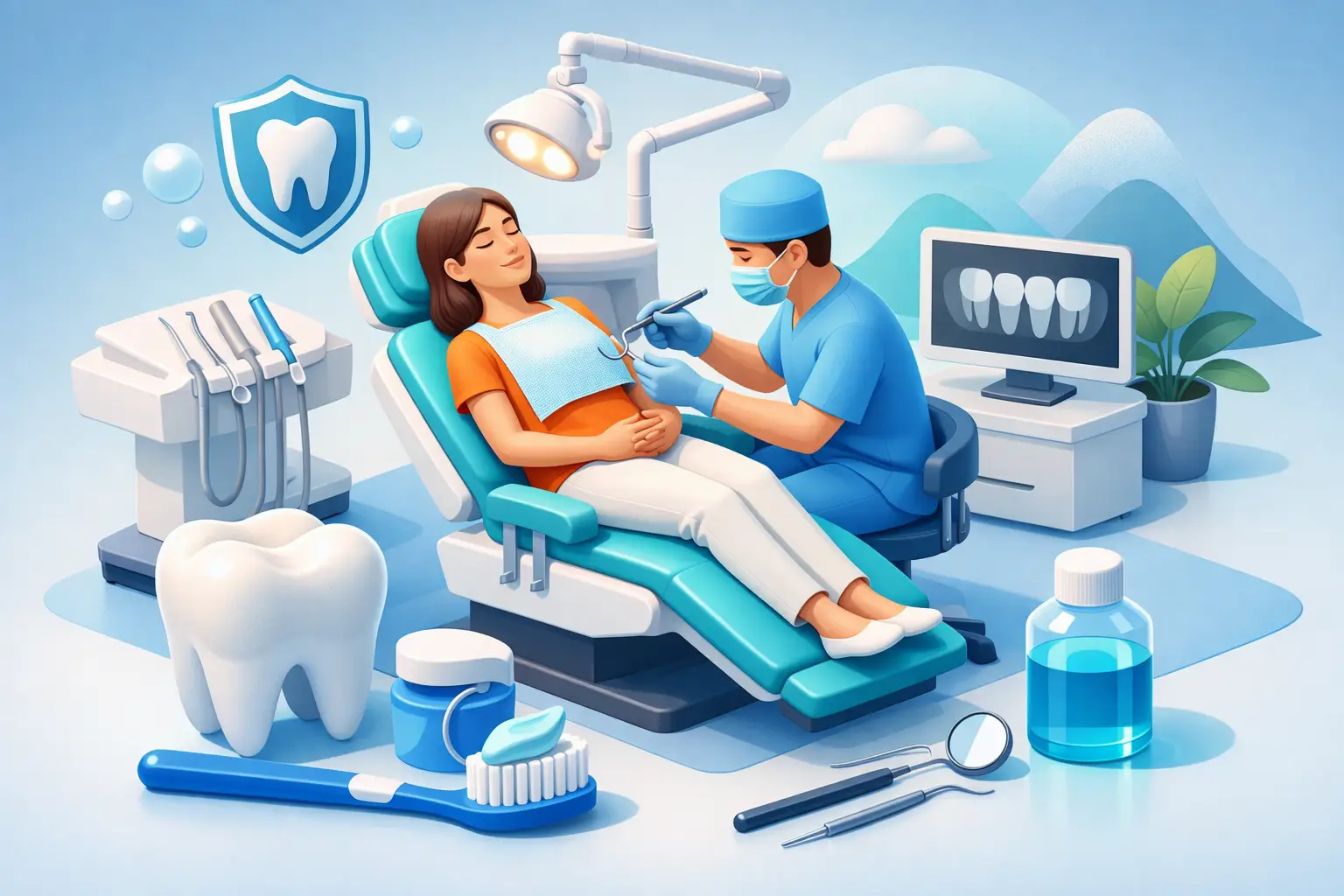
Your dentist will then examine your teeth, gums, tongue, cheeks, bite and jaw. They are looking for early signs of tooth decay, gum disease, worn teeth, cracked restorations, infection, oral cancer and changes in how your teeth meet together. Much of this assessment is quick and comfortable, but it provides a useful picture of your current oral health.
X-rays may be recommended when they will add information that cannot be seen during the examination. They can help identify decay between teeth, infections around tooth roots, bone changes linked with gum disease, impacted teeth and problems beneath fillings or crowns. X-rays are not necessarily needed at every visit. The timing depends on your risk factors, dental history and any symptoms.
Many checkups also include a professional clean, or a separate hygiene appointment may be recommended. Cleaning removes hardened plaque, known as calculus, that brushing and flossing cannot remove at home. If your gums are healthy, this may be a straightforward maintenance clean. If there is active gum disease, deeper treatment may be needed to clean below the gumline and help control infection.
Before you leave, you should understand the findings and your next steps. If treatment is needed, ask what is urgent, what can be monitored, the likely benefits and limitations of each option, the expected costs, and what may happen if you choose to wait. Clear information gives you room to make a decision that works for your health and budget.
How often should you have a dental checkup?
Six-monthly checkups are a common starting point, but they are not a rule for every person. Some people with consistently healthy teeth and gums may be suitable for longer intervals. Others benefit from more frequent reviews, particularly if they have gum disease, a history of frequent decay, dry mouth, diabetes, orthodontic treatment, extensive dental work, or a habit such as smoking that raises their oral health risk.
The best interval is individual. Your dentist will consider what has happened at past appointments, how easily plaque builds up, your home-care routine and the stability of any existing fillings, crowns, bridges, implants or dentures. Regular reviews are not about finding fault. They allow changes to be found early, when treatment is often simpler and less costly.
If you have pain, swelling, a broken tooth, a lost filling, persistent bleeding gums, a mouth ulcer that does not heal, or a knocked-out tooth, do not wait for your next routine appointment. These concerns need prompt advice. Severe swelling, trouble breathing or swallowing, or uncontrolled bleeding requires urgent medical attention.
Preparing for your visit without the stress
There is no need to do anything special to earn a clean bill of health. Brush and clean between your teeth as you normally would, eat beforehand if you are able to, and bring a list of medicines or health changes if they are relevant. If you have private health cover, bring your card. If cost is a concern, say so early. It is much easier to plan treatment in stages or discuss available payment options when your dentist understands your priorities.
For anxious patients, being upfront can make a real difference. You can ask the team to explain each step before it happens, pause when you raise a hand, avoid showing instruments until necessary, or book a longer appointment time. Some people prefer a morning appointment so they have less time to worry. Others want a support person to come with them. There is no single right approach, only the approach that helps you feel more in control.
It is also helpful to write down questions beforehand. You might ask whether a stain is cosmetic or a sign of decay, whether a worn filling can be watched safely, or how to protect a tooth that is sensitive after whitening. A dental checkup is a conversation, not a rushed inspection.
If you are pregnant or managing a health condition
Pregnancy can make gums more prone to inflammation and bleeding due to hormonal changes. A checkup during pregnancy is generally a sensible part of looking after your health, especially if your gums are sore or swollen. Let the dental team know you are pregnant, how far along you are, and what medicines you are taking so care can be tailored appropriately.
Health conditions and medicines can affect your mouth too. Diabetes may increase the risk of gum problems, while some medicines can reduce saliva and raise the chance of tooth decay. Blood thinners, osteoporosis medicines and immune-suppressing treatments can affect the planning of certain dental procedures. Sharing accurate medical information helps your dentist provide safer care and coordinate with your doctor where needed.
What a checkup can help you avoid
Dental problems do not always hurt at first. Decay can progress quietly between teeth, gum disease can damage the supporting bone around teeth without obvious pain, and small cracks can worsen each time you chew. Checkups give your dentist the opportunity to spot these issues before they become an emergency.
That does not mean every finding needs immediate major treatment. A tiny early decay area may be managed with fluoride, dietary changes and closer monitoring. A worn filling may be stable for some time. In other cases, acting early is the more conservative choice because it may preserve more natural tooth structure than waiting until a tooth breaks or becomes infected.
Your checkup is also a useful time to discuss longer-term goals. Perhaps you are considering whitening before an event, have a denture that no longer feels secure, want to replace a missing tooth, or are wondering if clear aligners are suitable. Starting with a thorough assessment means cosmetic and restorative choices can be made with the health of your teeth and gums in mind.
Making your next visit worthwhile
The most valuable appointment is the one that gives you a clear picture of your oral health and a plan you feel comfortable following. At Riverina Dental Albury, that means taking concerns seriously, offering gentle care, and discussing practical treatment pathways rather than making assumptions about what is right for you.
If it has been a while since your last visit, start where you are. One checkup can replace uncertainty with useful answers, and small, steady habits after that can protect your smile for years to come.