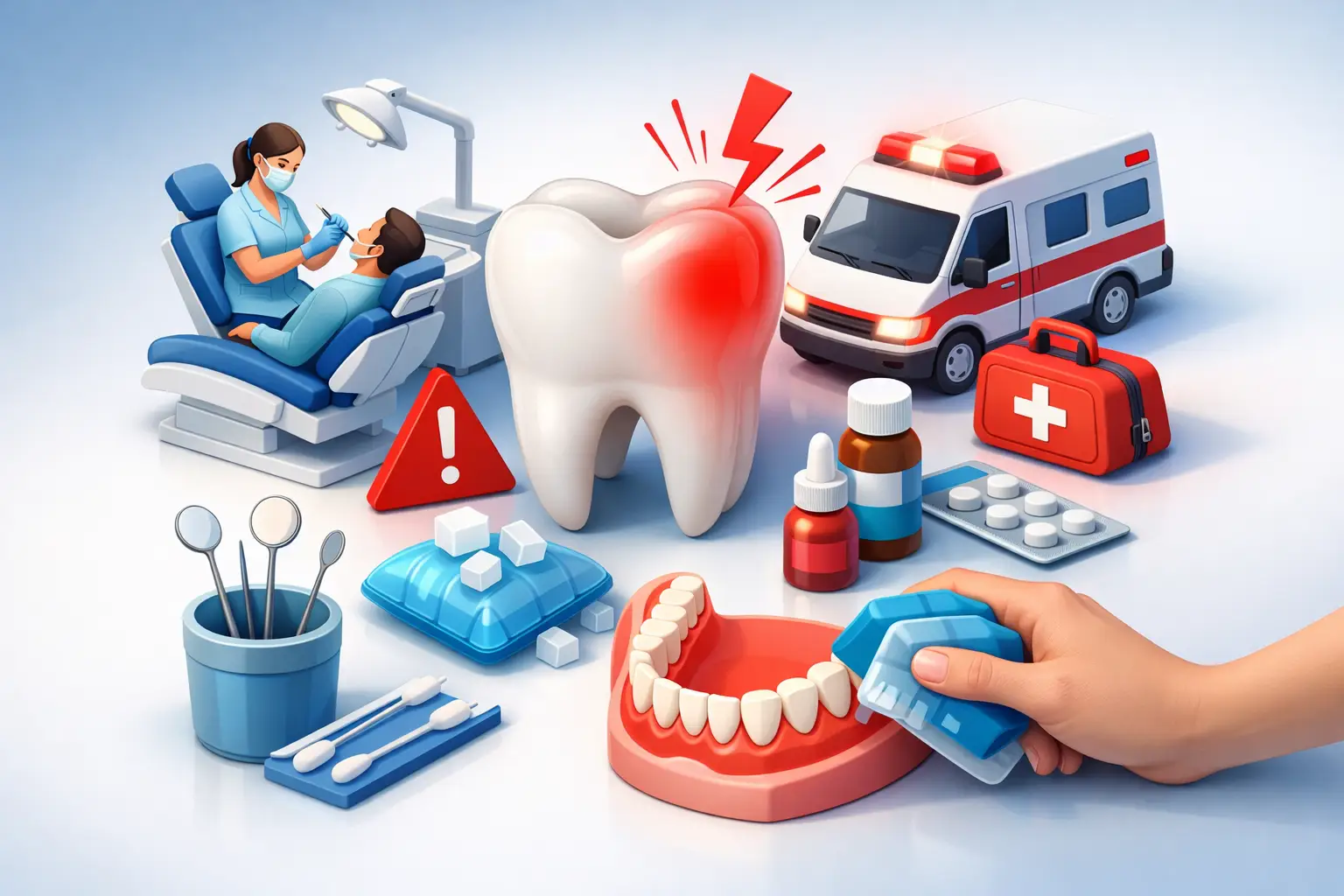

A toothache can change quickly from an irritation to pain that keeps you awake, makes eating difficult or leaves your face feeling tender. An emergency tooth pain treatment example is useful because it shows the difference between temporary relief at home and the care needed to treat the actual cause. Pain medicine may settle symptoms for a few hours, but a damaged, infected or inflamed tooth still needs a dentist’s assessment.
An emergency tooth pain treatment example
Imagine you wake overnight with a strong, pulsing pain in a back tooth. Cold water briefly eases it, but hot tea makes it worse. By morning, chewing on that side hurts and the gum beside the tooth feels sore. This pattern can occur when decay, a deep crack or an old filling has allowed bacteria to irritate the nerve inside the tooth.
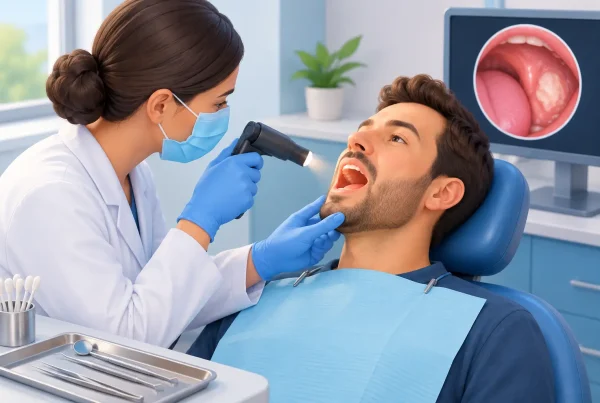
The immediate priority is to make you comfortable and prevent the problem from progressing. A dentist will ask about the pain, check for swelling, examine the tooth and surrounding gum, and may take an X-ray to see what is happening below the surface. The appropriate treatment depends on the findings. It may be a replacement filling if decay is limited, a protective temporary dressing, root canal treatment if the nerve is infected, or removal of a tooth that cannot be saved.
If there is facial swelling or signs of infection, treatment may also include draining an abscess where appropriate. Antibiotics are not a cure for toothache on their own and are not needed for every dental infection. They may be prescribed when infection is spreading or there are particular medical concerns, but dental treatment to remove the source remains essential.
This is why two people with the same level of pain may need different care. The goal is not simply to stop pain for the day. It is to identify the tooth, relieve discomfort safely and choose a sensible longer-term solution.
What you can do before an urgent appointment
While arranging an emergency dental appointment, gently rinse your mouth with warm salt water and floss carefully around the painful tooth. Food trapped between teeth can create surprisingly intense pressure, especially around a broken filling or inflamed gum. Do not force floss beneath the gum or poke the area with sharp objects.
For pain relief, use paracetamol or ibuprofen only as directed on the packet and only if they are safe for you. Some people should avoid anti-inflammatory medicines, including those with certain stomach, kidney, heart or blood-thinning concerns. If you are pregnant, have a medical condition, take regular medicines or are unsure what you can take, ask a pharmacist, GP or dentist for advice.
A cold pack wrapped in a cloth against the outside of the cheek may help with swelling and soreness. Keep your head elevated when resting, as lying flat can make throbbing pain feel worse. Choose soft foods, chew on the opposite side and avoid very hot, cold, sweet or acidic foods until you can be seen.
Avoid placing aspirin, alcohol, clove oil or any other substance directly on the tooth or gum. These can burn delicate tissues and delay proper care. It is also best not to rely on leftover antibiotics. The wrong medicine, dose or timing can mask symptoms without resolving the infection.
When tooth pain needs immediate help
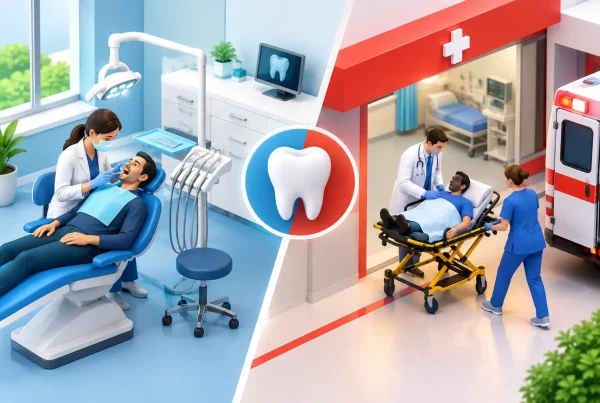
Most painful teeth should be assessed as soon as possible, ideally on the same day when pain is severe, persistent or worsening. Some symptoms need more urgent attention because infection and swelling can spread beyond the tooth.
Seek urgent dental or medical advice if you have:
- swelling of the face, jaw, eye area or neck
- difficulty breathing, swallowing or opening your mouth
- fever, feeling unwell, or swelling that is spreading quickly
- uncontrolled bleeding after a dental injury or extraction
- a knocked-out adult tooth, especially if it can be treated promptly.
For trouble breathing or swallowing, or rapidly increasing facial or neck swelling, call 000 or attend the nearest emergency department. These symptoms should not wait for a routine appointment.
A knocked-out adult tooth is one situation where timing matters greatly. Hold it by the crown, not the root, rinse it gently with milk or saline if visibly dirty, and try to place it back in the socket if safe to do so. If that is not possible, keep it moist in milk or tucked inside the cheek if there is no risk of swallowing it, then contact an emergency dentist straight away. Do not scrub the root.
Common causes and how treatment changes
A sharp pain when biting can point to a cracked tooth, a loose filling or decay. If the tooth is sound enough, a new filling or crown may protect it. A crack that reaches the nerve may need root canal treatment first. Not every crack can be repaired, so your dentist will explain what is realistic before recommending treatment.
Lingering sensitivity to hot or cold can mean the nerve is inflamed. Sometimes the irritation is reversible and removing decay plus placing a filling is enough. When pain lingers, starts on its own or wakes you at night, the nerve may be more seriously affected. Root canal treatment can retain the tooth by cleaning and sealing its internal canals, often followed by a crown for strength.
A swollen gum near one tooth may indicate an abscess, gum infection or a problem with a wisdom tooth. The treatment may involve cleaning beneath the gum, draining infection, treating the tooth or discussing extraction. Pain from a wisdom tooth can also be caused by food and bacteria collecting beneath a gum flap, particularly when the tooth has only partly erupted.
Pain after a filling or crown is not always an emergency, but it deserves a call if it is strong, lasts more than a few days or makes it difficult to bite. Occasionally a restoration needs a small adjustment. In other cases, the tooth was already more inflamed than it appeared before treatment.
Why a prompt examination can save treatment later
Dental pain has a habit of easing temporarily, particularly when pressure from an abscess releases. That does not mean the problem has healed. The infection can remain in the bone or return with more significant swelling and discomfort.
Prompt care also gives you more choices. A small cavity may need a straightforward filling, while untreated decay can progress to root canal treatment, a crown or extraction. If a tooth cannot be retained, replacing it with a bridge, denture or implant can be discussed, but preserving a healthy natural tooth is usually preferable where possible.
At Riverina Dental Albury, emergency care is approached with the same calm, personalised attention as planned treatment. Your dentist can explain what is causing the pain, what needs to happen today and what can be staged later to suit your oral health needs and budget. If you are anxious, say so when you call. Knowing what to expect and having time to ask questions can make urgent treatment feel far more manageable.
Preparing for your emergency visit
When you contact the clinic, describe where the pain is, when it started, whether there is swelling, and what makes it better or worse. Mention any injury, recent dental work, allergies, medicines and relevant health conditions. This helps the team determine how urgently you should be seen and prepare for the right type of appointment.
Bring a list of medications if possible, and do not eat a heavy meal immediately before your visit if there is a chance you may need a procedure or feel nauseated from pain. If you have a broken piece of tooth, crown or filling, bring it along in a clean container. It may not always be reusable, but it can help your dentist understand what has happened.
Tooth pain is your body’s signal that something needs attention. A gentle rinse, sensible pain relief and a quick call can help you get through the immediate discomfort, while timely dental treatment gives you the best chance of protecting your smile and getting back to normal.