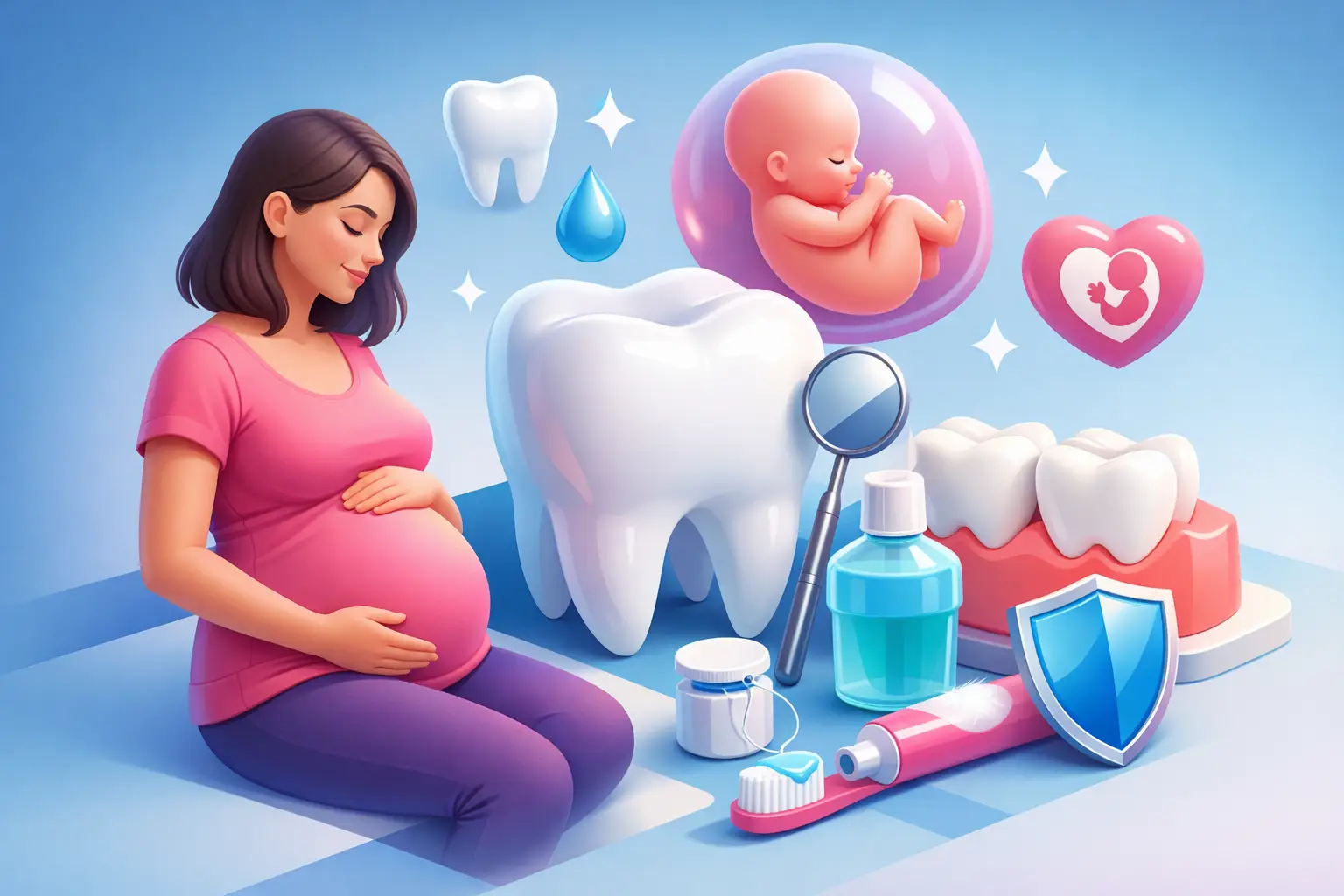

Pregnancy can bring sore gums, morning sickness and a diary full of appointments. Dental care can easily slip down the list, yet oral health during pregnancy is closely connected to your comfort, confidence and ability to eat well. A gentle check-up is one practical way to look after yourself while preparing for your baby.
Hormonal changes can affect the way your gums respond to plaque, even when your brushing routine has not changed. The good news is that most pregnancy-related dental concerns can be prevented, managed or treated safely with the right timing and personalised advice.
How pregnancy can affect your mouth
Rising hormone levels can increase blood flow to the gums and make them more reactive to plaque. This may lead to pregnancy gingivitis, which commonly causes redness, puffiness, bleeding when brushing, or tenderness around the gumline. Bleeding gums are common in pregnancy, but they should not be dismissed as something you simply have to put up with.
Some people also notice a small, red lump on the gums called a pregnancy tumour. Despite the name, it is not cancer. It is an inflammatory growth that can occur when hormones and local irritation combine. These lumps often settle after birth, but a dentist should check any new growth, persistent sore or area of bleeding.
Morning sickness can create another challenge. Frequent vomiting exposes teeth to stomach acid, which can soften enamel and increase the risk of erosion. Dry mouth, changed food preferences and more frequent snacking can also make tooth decay more likely. This does not mean pregnancy inevitably damages teeth. It means your routine may need a little extra support for a few months.
Oral health during pregnancy: the habits that help
A consistent home routine gives your gums and teeth the best protection. Brush twice a day with a soft toothbrush and fluoride toothpaste, taking time to clean gently along the gumline. Clean between your teeth once daily with floss or interdental brushes. If your gums bleed, keep cleaning carefully rather than avoiding the area – plaque left behind can make inflammation worse.
After vomiting, avoid brushing straight away. Enamel is temporarily softened by acid, and brushing immediately can wear it down. Rinse your mouth with water, or with a mild bicarbonate of soda rinse if your dentist or healthcare provider has advised it, then wait around 30 minutes before brushing.
If toothpaste makes nausea worse, try a smaller amount, a milder flavour or brushing at a time of day when you feel less queasy. Some patients find it easier to use a small-headed toothbrush and take short breaks. The aim is not perfection on a difficult day, but maintaining a routine that protects your teeth.
Food choices matter too, although pregnancy cravings are real and deserve a practical approach rather than judgement. Where possible, keep sweet snacks and sugary drinks to mealtimes instead of grazing throughout the day. Water is the best everyday drink for your teeth. Cheese, yoghurt, nuts, vegetables and other low-sugar snacks can be easier on enamel when you need something between meals.
Should you see a dentist while pregnant?
Yes. Routine dental examinations and cleans are generally appropriate during pregnancy, and early care is usually more comfortable than waiting until a small issue becomes painful. Let the dental team know you are pregnant, how far along you are, any medications or supplements you take, and whether your pregnancy has involved complications.
For many patients, the second trimester is a comfortable time for non-urgent treatment because early nausea may have eased and lying back is often easier than later in pregnancy. But this is not a rule that means care must wait. A broken tooth, dental infection, swelling, ongoing bleeding or severe pain needs prompt attention at any stage of pregnancy.
Your dentist can adjust your position, provide breaks and keep appointments comfortable. Later in pregnancy, lying flat for a long time can make some people feel dizzy or unwell, so a pillow, a slight tilt or shorter appointments may help. Gentle care should be tailored to how you are feeling on the day.
Are X-rays and dental treatment safe?
Dentists avoid unnecessary X-rays for everyone. When an X-ray is clinically needed to diagnose pain, infection or a suspected problem, modern dental X-rays use very low radiation and appropriate protective measures are used. Delaying diagnosis can sometimes create more risk and discomfort than taking the image. Your dentist will explain why it is needed and discuss alternatives where appropriate.
Many common treatments, including fillings, professional cleaning and treatment for gum disease, can be provided during pregnancy. Urgent treatment for infection should not be put off simply because you are pregnant. Dental infections can worsen quickly, and treating the source is usually safer than living with pain or swelling.
Decisions around medicines, sedation and more complex elective treatment need individual consideration. Your dentist may liaise with your GP, obstetrician or midwife, particularly if you have a high-risk pregnancy or other medical conditions. Cosmetic treatment that can comfortably wait is often postponed, while care needed to protect your health is planned without unnecessary delay.
Signs that deserve a prompt appointment
Contact a dentist promptly if you have toothache, facial swelling, pus, a broken tooth, a loose filling, a persistent mouth ulcer or gums that are very swollen and bleed heavily. These symptoms do not automatically mean a serious problem, but they need an assessment rather than home remedies alone.
Seek urgent advice if swelling is spreading, you have a fever, difficulty swallowing, trouble breathing or cannot open your mouth normally. Dental emergencies are stressful at any time, and pregnancy is not a reason to wait through severe pain.
Looking after gums before baby arrives
Healthy gums are not only about avoiding bleeding. Gum disease can progress quietly, and the early stage is often reversible with professional cleaning and thorough daily plaque removal. If deeper gum disease is present, your dentist can explain what treatment is suitable now and what may be best monitored or completed after birth.
A check-up also gives you a chance to ask practical questions without guesswork. You may want to discuss sensitivity, wisdom teeth, a cracked filling, reflux, dry mouth or whether your current toothpaste provides enough fluoride. Clear advice can make one more part of pregnancy feel manageable.
A note on caring for baby after birth
A parent’s oral health can influence the home routines a child grows up with. Keeping your own teeth and gums healthy makes it easier to prioritise regular dental care, water as the usual drink and sensible limits around sugary foods as your family changes.
For babies, avoid putting anything sweet on dummies and never share spoons or clean dummies in your mouth. When the first tooth appears, wipe or brush it gently with a soft infant toothbrush. Your maternal health nurse or dental team can offer age-appropriate advice as your child grows.
Gentle, local support when you need it
At Riverina Dental Albury, we understand that pregnancy appointments need to feel calm, clear and comfortable. We take the time to listen to what is bothering you, explain suitable options and plan care around your needs, budget and stage of pregnancy.
If you have noticed bleeding gums, tooth sensitivity or pain, booking an assessment now can offer reassurance and prevent a manageable concern from becoming a harder problem later. A healthy smile is one less thing to worry about while you focus on the changes ahead.