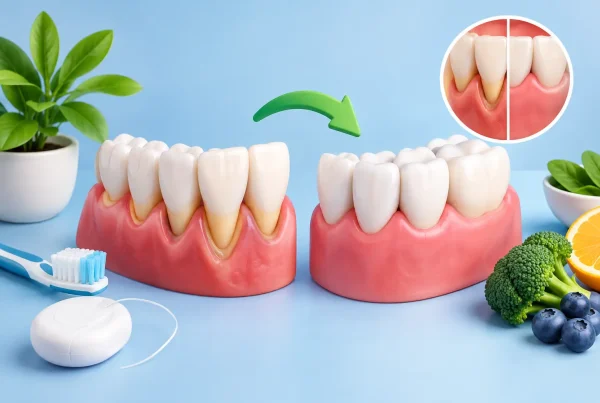

Bleeding when you brush is easy to dismiss as brushing too hard. But when bleeding, tenderness or persistent bad breath keep returning, your gums may be asking for more attention. This guide to gum disease stages explains what changes in your mouth at each point, what treatment may involve, and why early care is usually simpler, gentler and less costly.
Gum disease is very common, and it is not a sign that someone has failed at looking after their teeth. It develops when plaque, a sticky film of bacteria, is allowed to build up around and below the gumline. Some people are more susceptible because of smoking, diabetes, certain medicines, hormonal changes, dry mouth, genetics or a history of gum disease. Regular professional checks help identify the early changes that are difficult to see at home.
What gum disease does to your smile
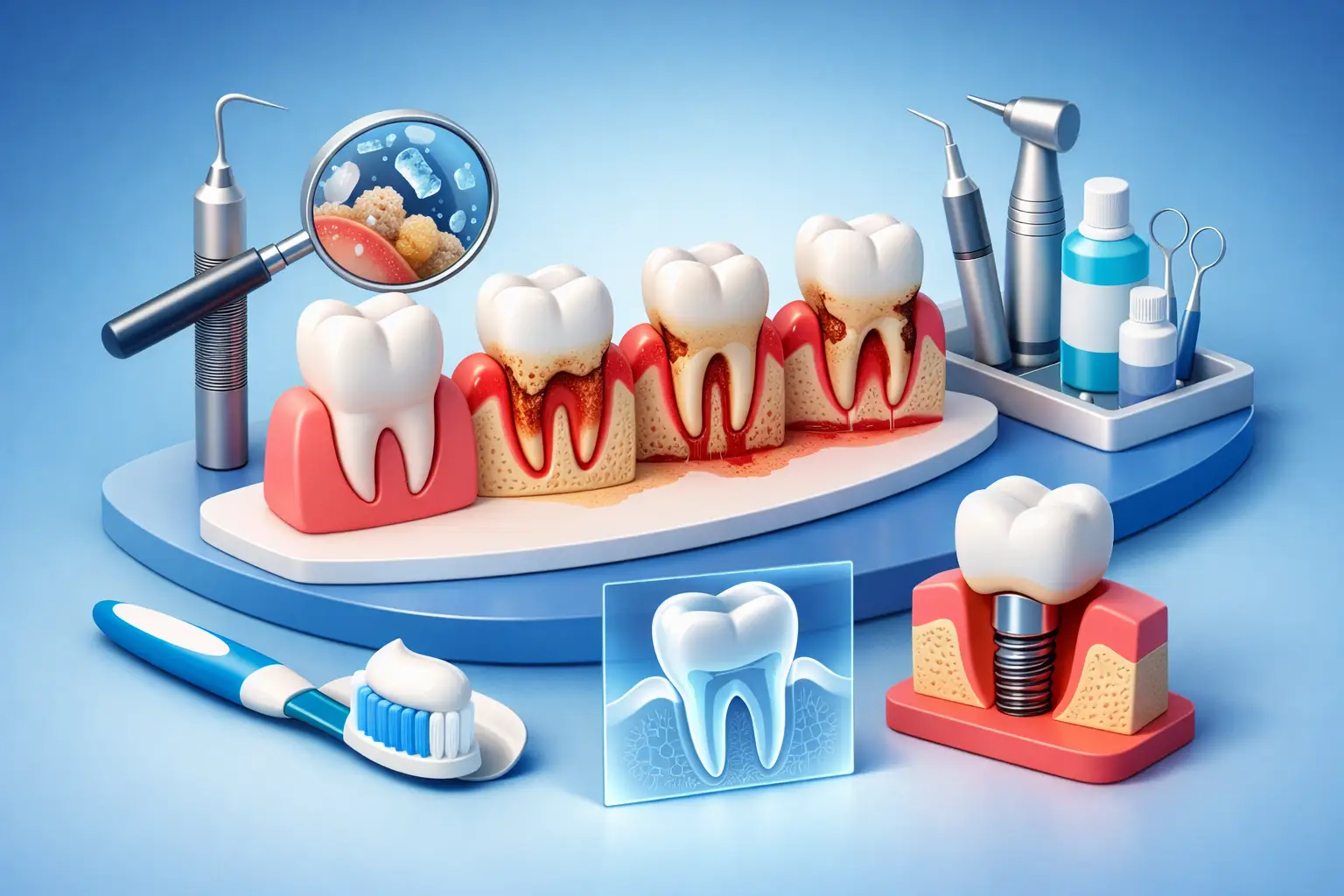
Healthy gums fit snugly around the teeth and support the bone underneath. Plaque can irritate this tissue, causing inflammation. If it is not thoroughly removed, plaque can harden into calculus, often called tartar. Calculus cannot be brushed away at home and gives bacteria a rough surface on which to collect.
The key difference between the early and later stages is damage. Early gum inflammation can usually be reversed. Once gum disease has damaged the fibres and bone supporting a tooth, that lost support generally cannot grow back on its own. Treatment can still control infection, protect remaining support and make your mouth more comfortable, but timing matters.
Guide to gum disease stages
Stage 1: Gingivitis
Gingivitis is inflammation limited to the gums. Common signs include bleeding during brushing or flossing, red or swollen gums, tenderness, bad breath, and gums that look shinier than usual. It may not hurt, which is one reason people can miss it.
At this stage, the bone and deeper supporting structures have not been damaged. A professional scale and clean, together with more effective daily plaque removal, can often return gums to health. Your dentist or hygienist can show you where plaque is collecting and recommend a brush, interdental brush or flossing approach that suits the spaces between your teeth.
Do not stop brushing because your gums bleed. Gentle, thorough cleaning is part of settling the inflammation. If bleeding does not improve after a short period of consistent care, arrange a dental appointment rather than waiting for it to settle by itself.
Stage 2: Early periodontitis
Periodontitis begins when inflammation and bacteria move below the gumline. The gums may start to pull away from the teeth, creating small pockets. These pockets are difficult to clean with a toothbrush, and early bone loss can occur.
Signs can still be subtle. Bleeding may continue, bad breath may persist, and teeth can look longer as gums recede. A dental examination, gum measurements and X-rays help assess whether bone loss is present and how widespread it is. The depth of pockets, rather than appearances alone, guides the diagnosis.
Treatment commonly involves a more detailed professional clean below the gumline, sometimes over more than one visit. Local anaesthetic may be used to keep the treatment comfortable. Your dental team will also discuss daily home care and schedule review appointments, because successful gum treatment relies on both professional cleaning and ongoing plaque control at home.
Stage 3: Moderate periodontitis
With moderate periodontitis, pockets deepen and more supporting bone may be lost. Gums can recede further, leaving roots exposed. This may cause sensitivity to cold drinks or brushing, as well as changes in how the teeth look.
Some people notice a tooth feels slightly loose or that spaces are appearing between teeth. Others notice their bite feels different. These changes should be assessed promptly. They do not automatically mean a tooth will be lost, but they do mean its support needs careful evaluation.
Care at this stage is tailored to the individual. It may include deep cleaning, treatment of contributing factors such as smoking or dry mouth, and regular periodontal maintenance appointments. In some cases, referral for specialist periodontal care or surgical treatment may be appropriate, particularly where deep pockets remain after initial treatment.
Stage 4: Severe or advanced periodontitis
Advanced periodontitis involves significant loss of bone and attachment around teeth. Teeth may become mobile, shift position, or make chewing uncomfortable. Gum abscesses, swelling, a bad taste or pus around the gumline can occur and need prompt dental attention.
The focus is to control active infection, reduce discomfort and preserve teeth where it is realistic to do so. Some teeth may have a poor long-term outlook if too much support has been lost. If removal is necessary, a dentist can discuss replacement choices such as a bridge, denture or implant once the gum condition is stabilised.
This can feel overwhelming, particularly if several teeth are affected. A clear, staged treatment plan can make it more manageable. It allows urgent concerns to be addressed first, then considers longer-term options according to your oral health goals, timeline and budget.
When to book a gum health check
A check-up is worthwhile if your gums bleed regularly, your breath remains unpleasant despite cleaning, your gums have receded, or you have noticed a loose tooth. Book sooner if you have facial swelling, a painful lump on the gum, pus, fever or difficulty swallowing. These symptoms can indicate an infection that needs urgent care.
Pregnancy can also make gums more sensitive and prone to bleeding because of hormonal changes. This does not mean dental treatment should be avoided. Gentle preventative care and advice during pregnancy can help keep inflammation under control.
Smoking and vaping can make gum disease harder to spot because they may reduce visible bleeding, while still increasing the risk of damage and slowing healing. If you smoke or vape, mention it at your appointment so it can be considered in your treatment plan.
What treatment feels like and what it costs
Many people delay an appointment because they are anxious about discomfort or concerned about cost. It helps to know that a gum assessment is the first step, not a commitment to every possible treatment. Your dentist can explain what is happening, what needs attention now, and which options may be safely planned over time.
A routine clean is often enough for gingivitis. Periodontitis may require deeper cleaning and ongoing maintenance, as gum disease can return when bacteria build up again. The right interval between visits depends on your gum measurements, home care, medical history and risk factors. For some people, three-monthly maintenance is appropriate; for others, longer intervals are suitable.
At Riverina Dental Albury, personalised treatment planning means discussing practical options and priorities before treatment begins. If chronic dental disease requires more extensive care, ask about available payment and financing pathways so you can make decisions with a clear understanding of costs.
Protecting your gums between appointments
The everyday goal is simple: remove plaque thoroughly before it hardens. Brush twice daily with a soft toothbrush and fluoride toothpaste, cleaning gently along the gumline. Clean between teeth once a day with floss or appropriately sized interdental brushes. The best tool is the one you can use correctly and consistently.
A healthy diet, adequate water intake and regular dental visits also help. Cutting down on frequent sugary snacks supports both gum and tooth health, while managing conditions such as diabetes can improve the body’s response to gum treatment. No mouthwash can replace brushing between teeth and professional removal of calculus, though your dentist may recommend a specific rinse for a short time in certain situations.
Your gums should not be a source of regular bleeding, discomfort or worry. A timely gum health check gives you clear answers and a practical path forward, whether the issue is early gingivitis or gum disease that needs more involved care.