
A toothache that starts on a Sunday, a filling that has finally given way, or the quiet worry that you have put off a check-up too long can make finding the right dentist in Albury Wodonga feel urgent. The best choice is not simply the clinic closest to home. It is a team that listens carefully, explains what is happening in plain language, and helps you make a sensible decision for your health, comfort and budget.
Dental care works best when it is personal. Your mouth, medical history, concerns and priorities are different from anyone else’s. Whether you need a routine clean, help with missing teeth or prompt relief from dental pain, you deserve care that feels calm, respectful and properly planned.
What a dentist in Albury Wodonga should make easier
A good dental visit should leave you with clarity, not more questions. That starts with a thorough assessment and a conversation about what you are experiencing. If a tooth is painful, the immediate priority may be to settle discomfort and prevent the problem worsening. If you are attending for a check-up, the focus may be early signs of decay, gum disease, wear or changes that are easier and less costly to treat now than later.
It also means being given choices where choices are clinically appropriate. A cracked tooth, for example, might be managed with a filling, crown or another restorative approach depending on the size of the crack, the health of the tooth and how you bite. There is rarely a one-size-fits-all answer. A caring dentist will explain the benefits, limits, expected lifespan and costs of each suitable option before treatment begins.
For many local households, convenience matters too. Having general, restorative, cosmetic, orthodontic and emergency care available through one practice can make ongoing dental care much simpler. It allows your treatment history to stay in one place and gives your dental team a clearer picture of your long-term oral health.
Prevention is usually the most budget-friendly starting point
Preventative care is not about being told off for missing a flossing session. It is about finding small concerns before they become painful, disruptive or expensive. Regular examinations and professional cleaning can help identify plaque and tartar build-up, early tooth decay, inflamed gums and signs of grinding or clenching.
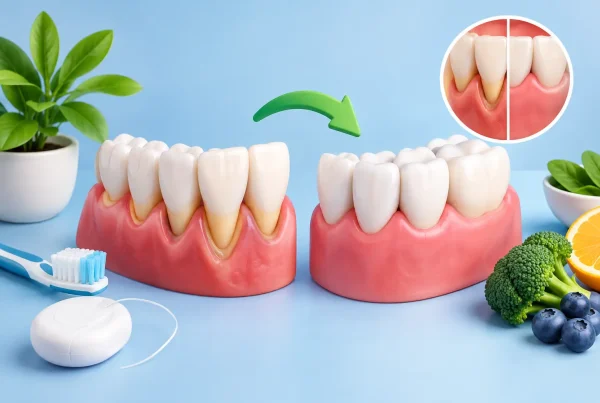
Gum health deserves particular attention. Bleeding gums are common, but they are not something to ignore. They can be an early sign of gingivitis, which is often reversible with professional cleaning and improved home care. If gum disease progresses, it can affect the bone supporting your teeth and may eventually contribute to tooth loss. The right plan depends on the stage of disease, your home routine, smoking status, medical conditions and how your gums respond to treatment.
Fluoride treatments may be recommended for people at greater risk of decay, while tailored advice on brushing, interdental cleaning, diet and dry mouth can help protect your results between visits. These are practical measures, not perfection tests. Consistent improvement is far more valuable than an unrealistic routine you cannot maintain.
Care during pregnancy and changing health needs
Pregnancy can bring changes to gum health, nausea and food cravings that affect teeth. If your gums are swollen or bleeding, or you are struggling to brush because of morning sickness, a dental appointment can provide reassurance and practical support. Let your dentist know you are pregnant and discuss any medications or medical changes, so care can be planned appropriately.
The same principle applies if you take regular medication, live with diabetes, experience dry mouth or have had major health treatment. Dentistry is safest and most effective when the whole person is considered, not just the tooth in the chair.
Gentle treatment matters when you feel anxious
Dental anxiety is more common than many people realise. It can stem from a difficult past appointment, fear of needles, worry about costs or embarrassment about the condition of your teeth. Whatever the reason, delaying care often makes the eventual problem more complicated. The first appointment is a chance to take that pressure down.
Tell the team if you are nervous. A patient-first clinic can slow the pace, explain each step before it happens, check in with you during treatment and agree on a signal if you need a break. For some people, starting with an examination and discussion rather than treatment on the first visit is the right approach. For others, prompt treatment is a relief. It depends on your needs and the urgency of the problem.
Comfort also comes from knowing what is ahead. Before a filling, extraction, denture, bridge or implant treatment, you should understand the purpose of the procedure, likely appointments, aftercare and any alternatives worth considering. Clear communication does not remove every concern, but it makes decisions feel far more manageable.
When appearance and function need attention together
A healthy smile and a confident smile often overlap, but cosmetic treatment should still begin with an honest assessment of oral health. Teeth whitening can brighten natural tooth colour, while composite veneers may improve the appearance of chips, small gaps or uneven edges. Neither option is right for every concern, particularly where there is active decay, gum disease or heavy grinding.
If teeth are crooked or have moved over time, braces or Invisalign may be considered. Orthodontic treatment can improve alignment and, in some cases, make cleaning easier. It does require commitment. Retainers are essential after treatment because teeth can shift again without them.
For missing teeth, dentures, bridges and implants each have a place. Dentures can be a practical and cost-conscious solution for several missing teeth. A bridge may suit some patients who want a fixed replacement, while implants can offer a stable long-term option when there is enough healthy bone and gum support. The best pathway depends on your health, goals, timeframe and finances, rather than what worked for someone else.
Access matters when the problem cannot wait
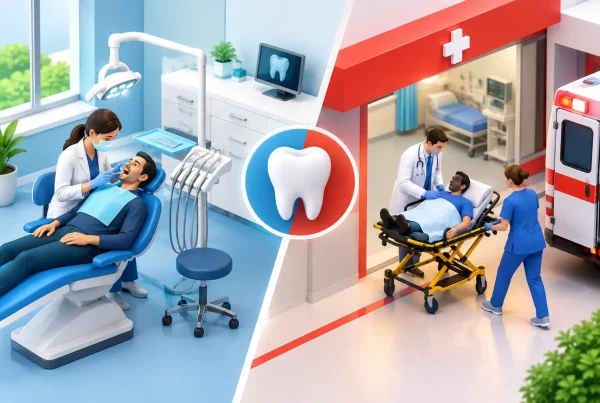
Not every dental issue is an emergency, but severe pain, facial swelling, a knocked-out tooth, uncontrolled bleeding or a broken tooth with sharp edges should be addressed quickly. Acting early may relieve pain and can improve the chance of saving a damaged tooth.
If you have swelling that affects breathing or swallowing, seek urgent medical assistance immediately. For other dental emergencies, contact a clinic that can advise you on the next step and arrange care as soon as possible. Access to 24/7 emergency support can be especially reassuring when pain begins outside normal business hours.
While waiting for advice, avoid placing aspirin directly on a tooth or gum, as it can burn soft tissue. A cold pack on the outside of the cheek may help with swelling, and keep any broken tooth fragment or knocked-out tooth safe as directed. Fast, professional assessment is always preferable to trying a home fix.
Understanding costs without delaying necessary care
Cost is a real part of dental decision-making, and it should be discussed openly. A trustworthy practice will provide clear treatment recommendations and talk through staged options where appropriate. Sometimes the best immediate step is to stabilise pain or infection, then schedule more extensive restorative work in stages. In other cases, delaying treatment may create a larger problem and higher costs later.
Ask what is essential now, what can safely wait, and what each option is intended to achieve. Flexible finance may help make treatment more manageable for eligible patients. For people with chronic dental disease requiring significant treatment, compassionate release of superannuation may also be an option in certain circumstances. This has specific eligibility requirements, so it is worth seeking clear information before making plans.
At Riverina Dental Albury, personalised treatment planning is built around gentle care, straightforward explanations and practical options for local adults. The practice does not accept new child patients, but adult family members can receive comprehensive care ranging from prevention and emergency treatment to complex restorative and cosmetic dentistry.
Choose continuity, not just a one-off appointment
A dental clinic can help most when it knows your history over time. Regular care lets your dentist compare changes, monitor previous fillings or crowns, review gum health and help you avoid repeating the same problems. Continuity is especially valuable if you have ongoing concerns such as gum disease, tooth wear, missing teeth or orthodontic retention.
The right dentist in Albury Wodonga will make room for both the immediate issue and the bigger picture. You should feel able to ask questions, raise budget concerns and say when you are anxious. Start with the appointment you need now, whether that is a check-up, a clean or help with pain. A clear conversation today can be the beginning of a healthier, more comfortable smile for years to come.