
A tooth can look longer than it used to, feel sharp when you drink something cold, or become harder to brush without discomfort. These can be early signs of receding gums. This guide to treating gum recession explains what can be done, what cannot be fixed with home care alone, and how a personalised dental plan can protect your smile for the long term.
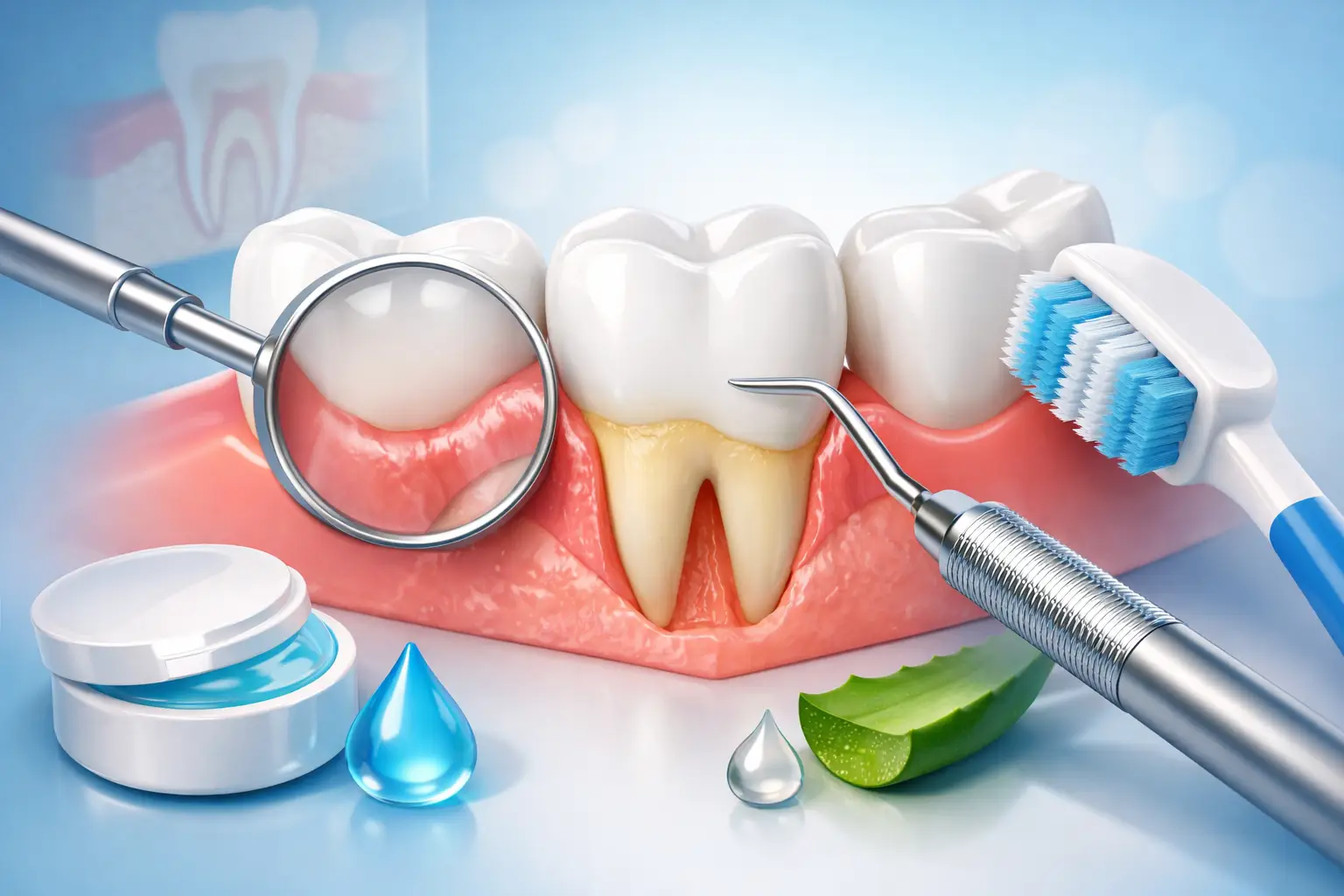
Gum recession is common, but it should not be ignored. When gum tissue moves away from a tooth, part of the root becomes exposed. Unlike enamel, root surfaces are softer and more vulnerable to sensitivity, wear and decay. The good news is that treating the cause early can often prevent further recession and relieve uncomfortable symptoms.
What gum recession means for your teeth
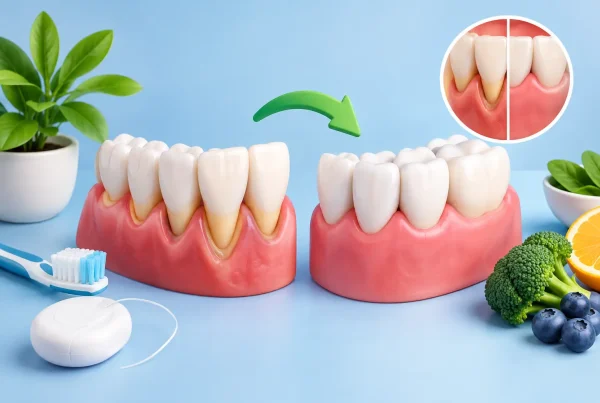
Healthy gums form a close, protective seal around each tooth. With recession, that gumline gradually shifts down on lower teeth or up on upper teeth, making the teeth appear longer. It may affect one tooth, several teeth or most of the mouth.
Receding gums do not always hurt. Some people first notice a change in their smile, while others feel a sudden sting from cold water, sweet foods or brushing. You may also notice a notch near the gumline, a darker root surface, bleeding gums or food catching between teeth.
It is tempting to focus only on appearance, particularly when the front teeth are involved. However, the main concern is protecting the exposed root and identifying why the tissue has receded. Gum tissue will not usually grow back on its own, so delaying care can make treatment more involved later.
Why gums recede
There is rarely one single cause. A dental examination helps separate active gum disease from recession caused by brushing pressure, bite forces or the natural position of a tooth.
Gum disease is a common contributor. Plaque left near and below the gumline can lead to inflammation, infection and loss of the supporting bone around teeth. In its earlier stage, gingivitis can often be managed with professional cleaning and better daily plaque control. Once periodontal disease has damaged the deeper supporting structures, ongoing periodontal care may be needed to stabilise it.
Brushing too hard can also wear away gum tissue over time, particularly if you use a firm brush or scrub side to side. This is not a reason to brush less thoroughly. It is a reason to use a soft toothbrush and a gentler technique.
Other factors matter too. Teeth positioned outside the natural bone envelope may have thinner gum support. Clenching or grinding can place extra force on teeth. A lip or tongue piercing may rub against gums, while smoking and vaping can affect gum health and healing. Orthodontic movement, past dental work, a thin gum type and family history can all play a role. Sometimes several small factors add up.
A guide to treating gum recession starts with the cause
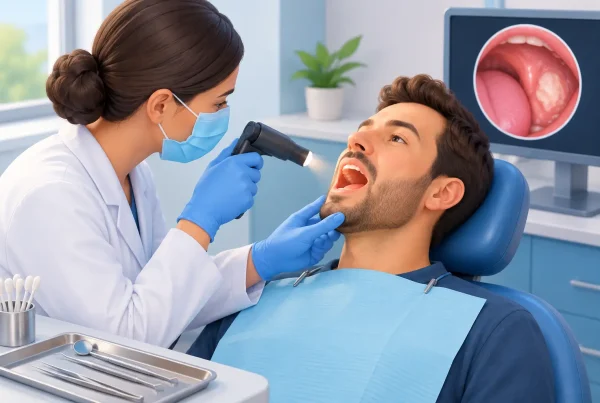
The right treatment depends on whether the recession is active, how much root is exposed and whether there is bone loss or tooth movement. A proper assessment may include measuring the gum pockets around each tooth, checking for bleeding and plaque, assessing your bite, and taking X-rays where appropriate.
This assessment is valuable because different problems need different solutions. Recession caused mainly by aggressive brushing will not improve simply with a deep clean. Likewise, sensitivity toothpaste alone cannot stop gum disease that is damaging the bone beneath the gums.
At Riverina Dental Albury, treatment planning focuses on the options that make sense for your mouth, comfort and budget. For some people, the immediate priority is reducing inflammation. For others, it is protecting a sensitive root or discussing whether gum grafting could improve coverage.
Everyday changes that help protect receding gums
Home care is an essential part of treatment, but it is not a substitute for diagnosing the cause. Small changes in your routine can make a meaningful difference.
Choose a soft-bristled manual toothbrush or an electric toothbrush with a pressure sensor. Angle the bristles gently towards the gumline and use small, controlled movements rather than a hard scrubbing motion. If the brush bristles flatten quickly, you may be applying too much pressure.
Clean between your teeth every day using interdental brushes, floss or another tool recommended for your spaces. This is particularly important where gum disease has been a factor, as a toothbrush cannot clean effectively between teeth. Your dentist or hygienist can show you the technique and size that suits you.
A desensitising toothpaste may help settle discomfort from exposed roots. Spit after brushing rather than rinsing thoroughly, so the toothpaste has more time to work. Fluoride treatment may also be recommended to strengthen vulnerable root surfaces and reduce the risk of decay.
Try not to brush straight after acidic drinks, reflux episodes or vomiting. Wait around 30 minutes, rinse with water and then brush gently. Acid temporarily softens tooth surfaces, and brushing immediately can increase wear.
Dental treatments for gum recession
Professional cleaning is often the first step when plaque, calculus or gum inflammation is present. For periodontal disease, cleaning may need to extend below the gumline over one or more visits. The aim is to remove bacteria and deposits that are driving inflammation, then review how the gums respond.
If recession has left a root sensitive or worn, your dentist may apply a protective coating or place a tooth-coloured filling over the exposed area. This can reduce sensitivity and restore the shape of a worn gumline. It does not replace lost gum tissue, but it can be a sensible, conservative option where the root needs protection.
A night guard may be considered if clenching or grinding is contributing to tooth wear and excessive forces. It will not directly regrow gums, but it can help protect teeth from ongoing pressure. If teeth are crowded, poorly positioned or difficult to clean, orthodontic treatment may sometimes be part of a broader plan. This needs careful assessment, as tooth movement should respect the available bone and gum support.
For more significant recession, especially around visible front teeth or where root coverage is needed, gum graft surgery may be discussed. This procedure uses tissue from another area of the mouth or donor material to thicken the gum and, in suitable cases, cover part or all of the exposed root.
Grafting can improve comfort, appearance and long-term protection, but results vary. The tooth position, amount of bone support, gum thickness, smoking status and daily cleaning habits all affect the outcome. It is not necessary for every case of recession. A stable area with no sensitivity, decay or aesthetic concern may be monitored instead.
When to book promptly
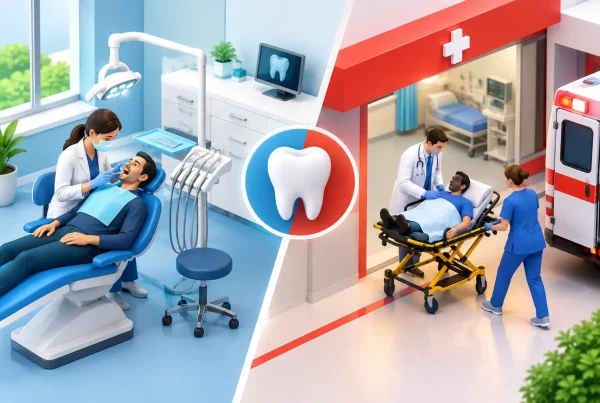
Arrange a dental visit if your gums are bleeding regularly, your teeth look longer, you have persistent sensitivity, or you can see a root surface near the gumline. These signs are worth checking even when there is no pain.
Seek prompt care if you have swelling, pus, a loose tooth, a gum abscess, severe pain or a sudden change in your bite. These symptoms may point to infection or advanced gum problems that need timely treatment.
Looking after your gums over time
Once recession has been stabilised, regular reviews matter. Gum disease can return quietly, and brushing habits can gradually slip back into old patterns. Maintenance appointments allow your dental team to monitor pocket depths, remove deposits in difficult areas and spot new sensitivity or root decay early.
There is no one-size-fits-all recall schedule. Someone with healthy gums and excellent plaque control may need a different review interval from someone managing periodontal disease, dry mouth, diabetes, smoking-related risks or extensive restorative work. Your plan should reflect your risks, not a generic timetable.
Receding gums can feel worrying, particularly when they affect your front teeth. Yet the most useful next step is usually straightforward: have the area assessed before guessing at a solution. Gentle daily care and timely professional support can help protect the teeth you have and keep your smile comfortable for years to come.