
A toothache that keeps you awake, a broken filling before a family event, or a check-up you have put off for too long can make the private dentist vs public dental question feel very immediate. For many Albury-Wodonga households, the decision comes down to more than price. It is about how soon you can be seen, who provides your treatment, and whether the care plan suits your health needs and budget.
Both public and private dental services play an important role in oral health. The right option depends on your eligibility, the urgency and complexity of your needs, and the level of choice and continuity you would prefer.
Private dentist vs public dental: the key difference
Public dental care is funded by state and territory health systems. It is designed to help eligible people access essential dental treatment, often at low or no cost. Eligibility rules vary, but services commonly prioritise people with certain concession cards, children and people with urgent dental needs. In the Albury-Wodonga area, it is worth checking the current requirements with the relevant public dental provider, as rules and appointment availability can change.
A private dental practice is independently operated. Patients pay for treatment, sometimes with support from private health insurance, payment plans or other funding arrangements. A private clinic can provide preventive, general and more complex care, with treatment planned around your individual goals, oral health and available budget.
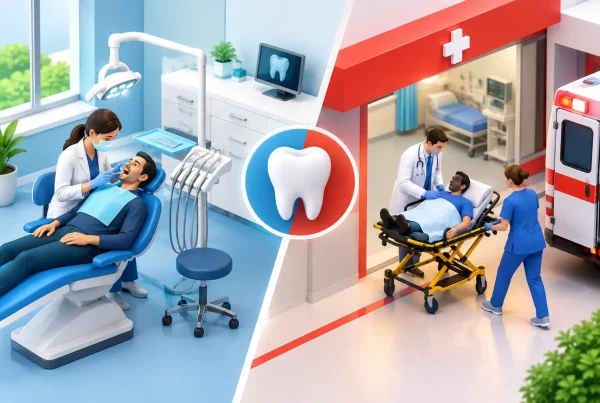
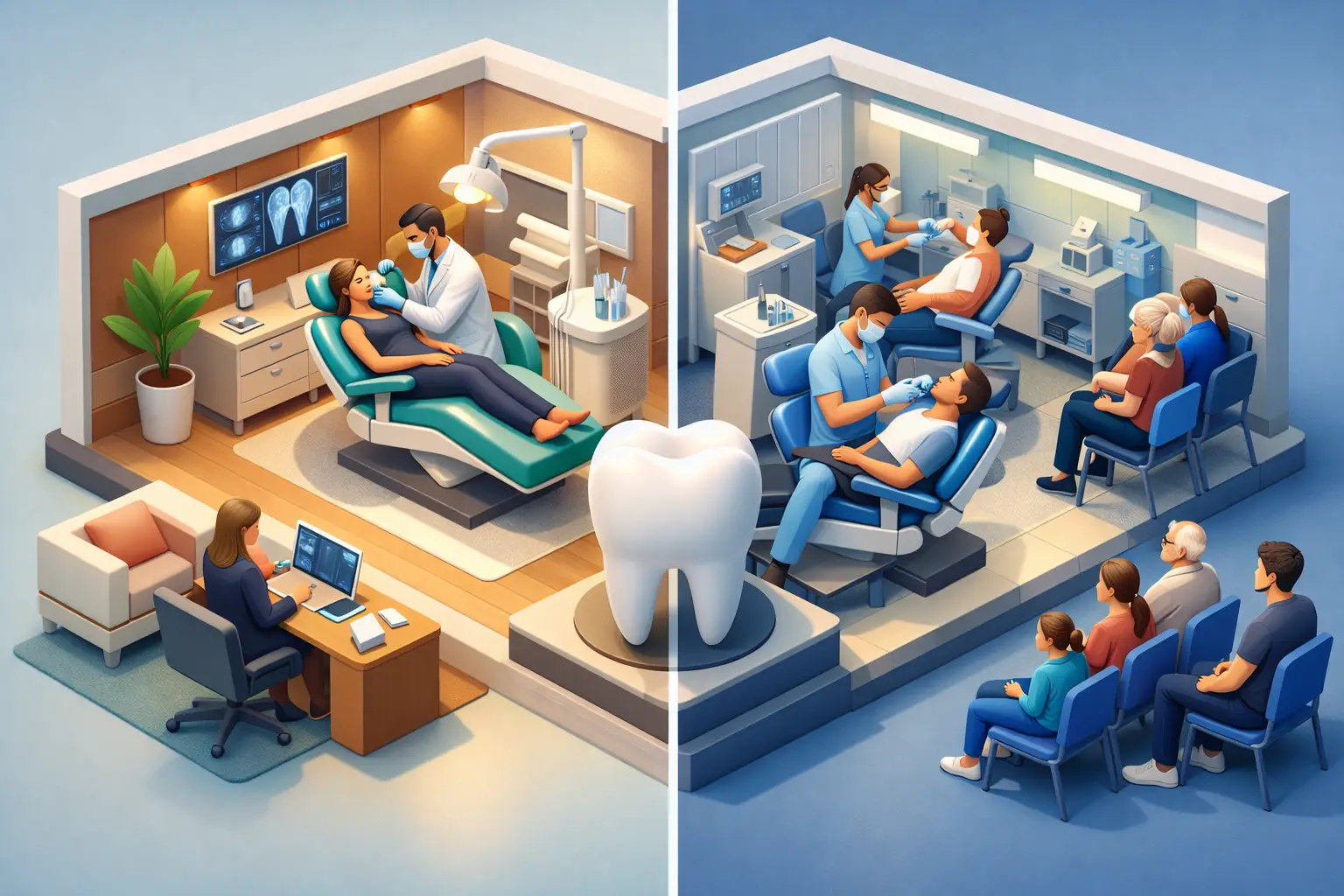
Neither model is automatically better for every person. Public dental services can be a vital option when cost is the main barrier. Private care may be preferable when prompt access, a broader range of treatment choices or seeing the same dental team over time matters most.
Cost: looking beyond the appointment fee
The lower upfront cost of public dental care is understandably a major benefit. If you are eligible, it can make urgent and necessary treatment more accessible when household finances are tight. However, publicly funded services generally focus on clinically necessary care. Cosmetic treatments, elective improvements and some advanced restorative options may not be available through the public system.
Private dentistry has out-of-pocket costs, and fees vary according to the procedure, materials, appointment time and complexity involved. A simple examination is very different from restoring several damaged teeth, managing gum disease or replacing missing teeth with bridges, dentures or implants.
The most helpful question is not simply, “What does it cost today?” It is, “What is the likely cost of maintaining this tooth and my oral health over time?” For example, treating early decay with a filling is often less costly and less invasive than waiting until pain develops and a root canal or extraction is needed.
A caring private practice should explain the fees before treatment begins and discuss staged options where appropriate. Sometimes the best path is to deal with discomfort or infection first, then plan larger restorative or cosmetic treatment over manageable appointments. Flexible finance may also help eligible patients spread the cost rather than delaying needed care.
Private health insurance and treatment planning
Private health insurance can reduce the out-of-pocket cost for many services, depending on your level of cover and annual limits. It does not always make every treatment fully covered, so asking for an estimate before your appointment is sensible.
Good treatment planning is not about pushing every possible procedure. It is about explaining what is urgent, what can be monitored, and what options are available if you want to improve function or appearance. You should leave the conversation understanding the benefits, limitations and likely costs of each option.
Access and waiting times
When pain, swelling, a cracked tooth or a lost filling is affecting daily life, timing matters. Public dental services triage patients according to clinical urgency, which means people in serious pain or with infection may be prioritised. For routine care, though, waits can occur because demand is high and appointments are limited.
Private practices often offer more appointment availability and may be able to arrange urgent care sooner. This can be particularly valuable for a dental emergency, a broken denture, or a problem that is worsening quickly. It does not mean every private appointment is immediate, but having a clinic you can contact directly can take some uncertainty out of a stressful situation.
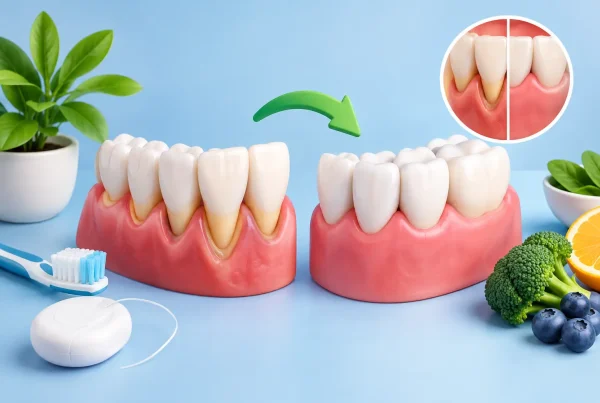
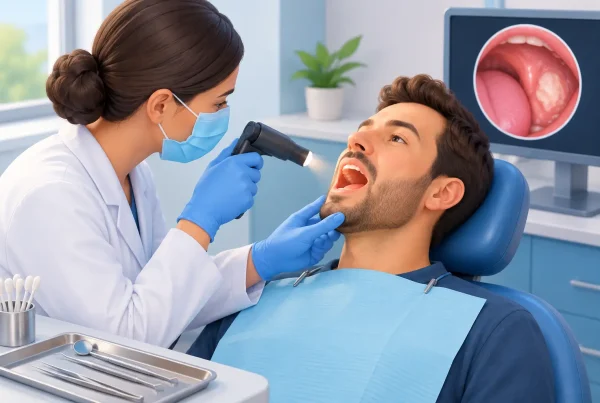
For preventive visits, timely access helps stop small problems becoming larger ones. Regular cleans, examinations and X-rays when clinically needed allow your dental team to spot early changes such as decay around an old filling, gum inflammation or wear from grinding. Early care is usually gentler, simpler and easier to budget for.
Choice of treatment and provider
Public dental clinicians provide necessary care to a high standard, but the range of options can be shaped by service guidelines and available resources. If a tooth is severely damaged, for instance, the clinically appropriate public option may differ from the choice offered in a private setting.
Private care generally gives patients a wider choice in how treatment is carried out. That may include tooth-coloured composite restorations, whitening, composite veneers, Invisalign, braces, implants and different denture or bridge designs. More choice can be helpful, but it also requires clear advice. The right option should suit your bite, gum health, long-term maintenance needs and finances, not just look appealing on the day.
You may also value being able to choose a particular dentist or continue seeing the same clinician. For anxious patients, familiarity can make a genuine difference. A dentist who knows your history, understands what has worried you in the past and can explain treatment at your pace can make appointments feel far more manageable.
Continuity of care matters more than people expect
Dental problems rarely happen in isolation. Bleeding gums can be linked to periodontal disease. A missing tooth can affect chewing and place added pressure on neighbouring teeth. Repeated breakages may point to grinding, an uneven bite or older restorations reaching the end of their life.
That is why continuity of care is one of the practical advantages of a private dental practice. Over time, your dentist can compare records, monitor changes and create a plan that connects preventive care, restorative work and any future orthodontic or cosmetic goals. This is particularly useful for adults managing several concerns at once, such as worn teeth, gum disease and missing teeth.
Continuity does not mean you are locked into treatment. You remain in control of your decisions. It means you have a dental team that can give advice with the full picture in mind, rather than responding only to the immediate problem.
When public dental may be the better choice
Public dental care may be the right place to start if you meet the eligibility criteria, have limited funds and need essential treatment. It can also be a sensible option if you are comfortable with the available services and waiting arrangements.
If you are unsure whether a symptom is urgent, seek advice promptly. Facial swelling, uncontrolled bleeding, significant trauma, severe pain, fever or trouble swallowing should never be ignored. Emergency assessment may be needed, regardless of whether you usually attend a public or private dentist.
When a private dentist may suit you better
Private care can be a strong fit if you want a regular dentist, shorter waits for routine appointments, or treatment options beyond essential care. It may also suit people who need complex restorative treatment, want to explore orthodontics or cosmetic dentistry, or feel more comfortable with a familiar team and a gentle, unhurried approach.
For many patients, the deciding factor is clarity. You should be able to ask what needs to be done now, what can wait, what each option costs and what may happen if treatment is delayed. There is no shame in having a firm budget. A respectful dental team will work with you to prioritise care without judgement.
The best choice is the one that helps you get appropriate care before a small concern becomes a painful disruption. If you would like personalised advice about your options, Riverina Dental Albury can discuss your current dental needs, comfort concerns and budget, then help you take the next sensible step.