
A cavity rarely starts with a dramatic toothache. It often begins quietly, when plaque is left on a tooth long enough for its bacteria to produce acid. Knowing how to prevent tooth decay means interrupting that process every day, before a small weak spot becomes pain, a filling or more extensive treatment.
The good news is that prevention does not depend on having a perfect diet or an elaborate bathroom routine. Consistent brushing, cleaning between teeth, sensible eating habits and regular dental visits give your teeth the best chance to stay healthy for the long term.
Why tooth decay develops
Your mouth naturally contains bacteria. When those bacteria feed on sugars and carbohydrates from food and drinks, they create acids that soften tooth enamel. Saliva helps neutralise the acid and repair the enamel through a process called remineralisation, but it needs time to do its job.
Decay is more likely when teeth are exposed to frequent snacking, sipping sweet drinks over several hours, plaque build-up or reduced saliva flow. The issue is not only the amount of sugar you have. How often your teeth encounter it matters just as much.
A tooth can also be vulnerable in places that are difficult to clean, such as deep grooves on chewing surfaces, between teeth, around old fillings and along the gumline. This is why people who brush faithfully can still develop decay if those areas are missed.
How to prevent tooth decay at home
Brush twice a day with fluoride toothpaste
Brush for two minutes in the morning and before bed using a soft-bristled toothbrush and fluoride toothpaste. Fluoride strengthens enamel and helps early mineral loss repair itself, making it one of the most reliable tools for preventing cavities.
Angle the bristles gently towards the gumline and clean every surface: the outside, inside and chewing surfaces of each tooth. Brushing harder is not better. Heavy pressure can irritate gums and wear tooth surfaces over time, particularly if you already have sensitivity.
After brushing at night, spit out the excess toothpaste but try not to rinse straight away. Leaving a light film of fluoride on the teeth gives it more time to work. If you use mouthwash, choose a time separate from brushing so you do not wash away the toothpaste immediately.
Replace your toothbrush or electric brush head about every three months, or sooner if the bristles are splayed. A worn brush does not clean as effectively.
Clean between your teeth every day
A toothbrush cannot properly reach the tight contact points between teeth. Floss, interdental brushes or a water flosser can remove plaque and food debris from these areas, helping protect both teeth and gums.
The right option depends on the spaces between your teeth, any dental work you have and what you can comfortably use every day. For some people, floss is ideal. For others, small interdental brushes are more effective and easier to manage. The best method is the one you will use consistently and correctly.
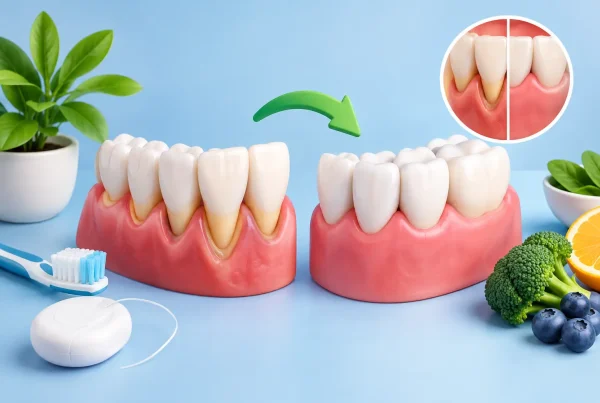
If your gums bleed when you first start cleaning between your teeth, do not assume you should stop. Bleeding can be a sign of inflammation caused by plaque. Gentle daily cleaning often improves this, but ongoing bleeding, swelling or tenderness should be checked by a dentist.
Make drinks work for your teeth
Water is the most tooth-friendly everyday drink. It does not feed decay-causing bacteria, and fluoridated tap water can provide an additional protective benefit. Keeping a water bottle nearby can also reduce the habit of reaching for soft drink, cordial, juice or sweetened iced coffee.
Acidic drinks deserve attention too. Soft drinks, energy drinks, sports drinks and citrus beverages can soften enamel even when they are sugar-free. It is generally kinder to teeth to have these occasionally and with a meal rather than sipping them slowly across the day.
If you do have an acidic drink, rinse with water afterwards. Wait around 30 minutes before brushing, as enamel can be temporarily softer after acid exposure. Brushing immediately may increase wear.
Reduce the frequency of sugary snacks
You do not need to remove every treat from family life to protect your teeth. The more useful approach is to limit how often sugar is consumed. A biscuit with lunch creates a shorter acid attack than grazing on biscuits, lollies or sweet drinks throughout the afternoon.
Aim for filling snacks that are less likely to cling to teeth, such as cheese, plain yoghurt, nuts if suitable for you, vegetables, or fresh fruit. Dried fruit can be nutritious but sticky and concentrated in sugar, so it is best treated as an occasional snack and followed by water.
Be mindful of foods marketed as healthy. Muesli bars, flavoured yoghurts, bottled smoothies and some breakfast cereals can contain more added sugar than expected. Reading labels can help, but it is not necessary to chase perfection. Small changes made most days are more valuable than a strict plan that does not last.
Protect your mouth when saliva is low
Saliva is a natural defence against decay. It washes away food particles, buffers acids and supplies minerals that support enamel repair. Dry mouth can therefore increase cavity risk.
Some medicines, medical conditions, mouth breathing and dehydration can reduce saliva. If your mouth often feels dry, sip water regularly and speak with your dentist about options that may help. Sugar-free chewing gum can stimulate saliva for some people, particularly after meals, although it is not a substitute for brushing and interdental cleaning.
Regular dental care finds problems early
Early decay may have no symptoms at all. By the time a tooth is sensitive to cold, painful when biting or aching at night, the problem may be more advanced. Regular examinations allow a dentist to identify weak areas, changes around existing fillings and gum concerns before they become more complicated or costly to manage.
Professional cleans are also valuable because hardened plaque, called calculus, cannot be removed with a toothbrush at home. Your dentist or hygienist can clean areas you may be missing and show you practical ways to improve your technique without judgement.
How often you need a check-up is personal. Someone with a low risk of decay and healthy gums may need less frequent visits than a person with dry mouth, repeated cavities, gum disease, braces, extensive dental work or a high-sugar diet. A personalised recall schedule is usually more useful than following a one-size-fits-all timetable.
Extra protection when your risk is higher
Some mouths need more than the standard routine. High-fluoride toothpaste, fluoride varnish treatments, fissure sealants or targeted dietary guidance may be recommended when decay risk is elevated. These options can be especially helpful if you have had recent cavities, exposed root surfaces, reduced saliva or difficulty cleaning around orthodontic appliances.
Pregnancy is another time to stay attentive to oral health. Hormonal changes can make gums more prone to inflammation, and nausea or reflux may expose teeth to acid. Rinse with water after vomiting and wait before brushing. Let your dental team know if you are pregnant so your care can be planned comfortably and appropriately.
Do not wait for a toothache
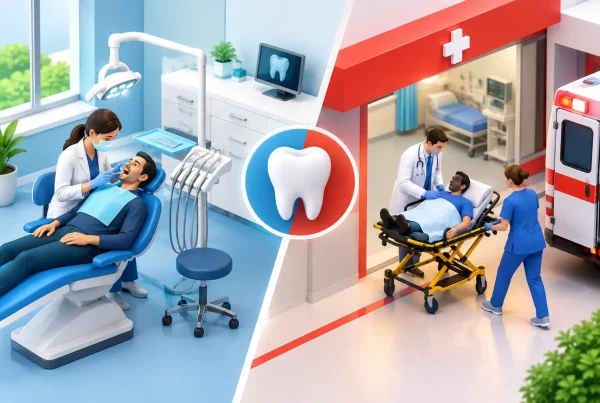
Book a dental appointment if you notice lingering sensitivity, a visible hole or dark mark, pain when chewing, a rough edge, bad taste, swollen gums or a broken filling. These signs do not always mean severe decay, but an examination is the safest way to understand what is happening.
At Riverina Dental Albury, prevention is approached as practical, personalised care. Whether you are maintaining healthy teeth or managing a history of fillings and sensitivity, a clear plan can make daily care feel more manageable and help avoid surprises.
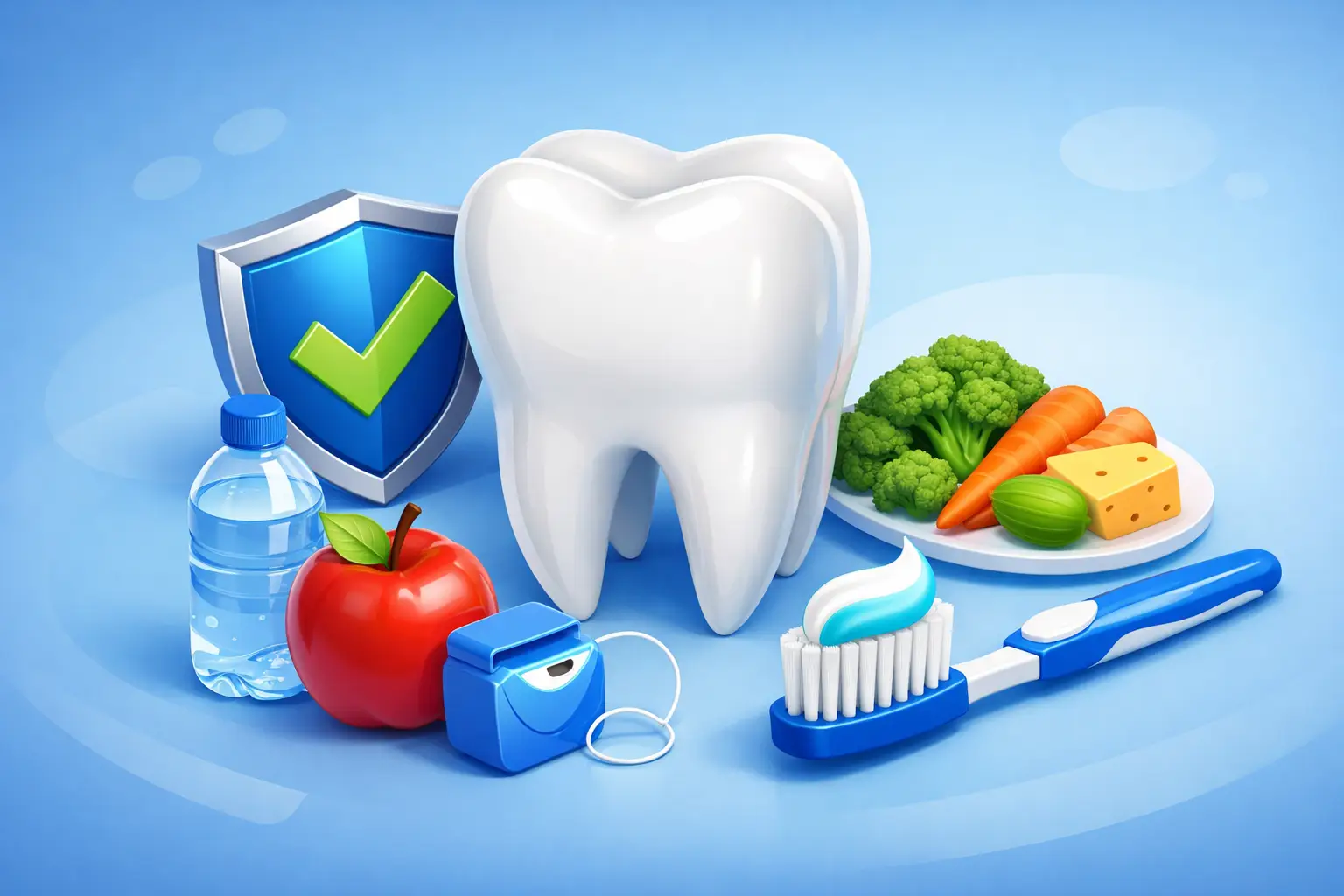
Healthy teeth are built through ordinary choices repeated over time. Start with the next brush, the next glass of water and the next check-up you have been putting off.