
Dry socket can turn a tooth extraction that seemed manageable into intense, throbbing pain a few days later. If you are wondering how to treat dry socket, the most helpful answer is to contact your dentist promptly. Home care may take the edge off while you wait, but professional treatment is usually needed to clean and protect the extraction site.
What dry socket feels like
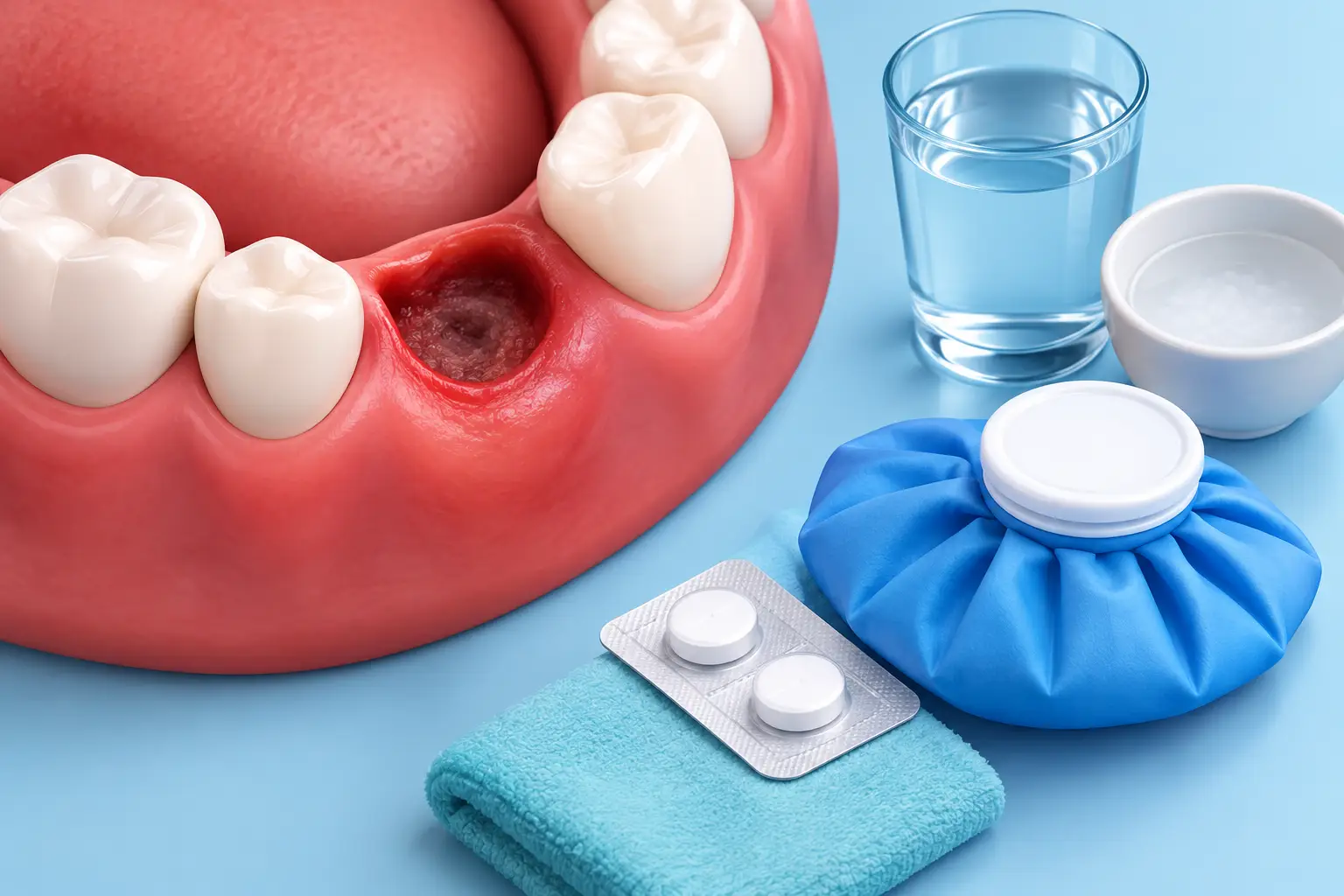
After a tooth is removed, a blood clot normally forms in the empty socket. This clot protects the bone and sensitive nerve endings while the gum heals. Dry socket, also called alveolar osteitis, happens when that clot is lost, breaks down too early or does not form properly.
Pain often begins or becomes much worse two to five days after an extraction. It may feel sharp, deep or pulsing, and can spread towards the ear, temple, eye or jaw on the same side. Some people also notice an unpleasant taste or bad breath. Looking in the socket, you may see an empty-looking space or pale bone rather than a dark clot.
Not every sore extraction site is dry socket. Tenderness, mild swelling and some discomfort are expected after a dental procedure. The difference is that dry socket pain tends to be severe, persistent and often worsens after it had started to improve.
How to treat dry socket safely
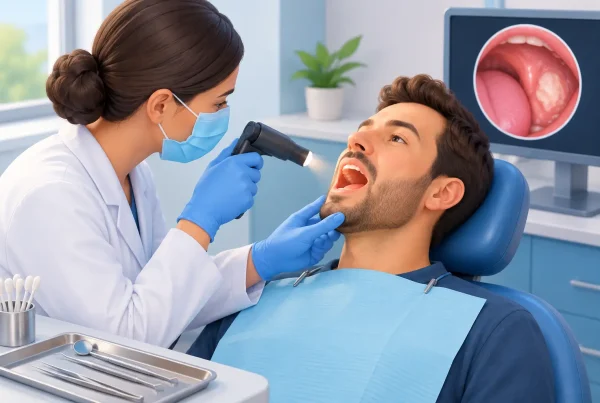
The right treatment depends on the extraction site, your level of pain and whether there are signs of infection. A dentist will first examine the area and may gently rinse away trapped food or debris. They can then place a soothing medicated dressing in the socket. This protects the exposed area and often gives relief much faster than pain medicine alone.
The dressing may need to be changed over the following days, particularly if the pain returns. Your dentist may also recommend an appropriate pain-relief plan and show you how to keep the area clean without disturbing healing tissue. Antibiotics are not always needed for dry socket, because dry socket is not automatically an infection. They may be prescribed if your dentist identifies signs of infection or another concern.
At Riverina Dental Albury, urgent dental concerns are assessed with a gentle, practical approach. If pain after an extraction is becoming harder to manage, calling early can help you avoid days of unnecessary discomfort.
What to do before your appointment
While arranging dental care, focus on protecting the area and managing pain safely. You can:
- Take pain relief only as directed by your dentist, pharmacist or the instructions on the packet.
- Rinse very gently with warm salty water if you have been advised it is safe to do so, usually after the first 24 hours following extraction.
- Use a cold pack wrapped in a cloth against the outside of your cheek for short periods if there is swelling or jaw soreness.
- Choose soft, lukewarm foods such as yoghurt, scrambled eggs, mashed vegetables, soup that has cooled down, or pasta.
Avoid vigorous swishing, spitting forcefully or poking the socket with your finger, toothbrush or any object. These actions can irritate the wound and interfere with healing. If your dentist has provided a syringe for cleaning the area, use it only as instructed.
What not to put in a dry socket
When pain is strong, it is understandable to look for a quick fix. However, placing household remedies, clove oil, alcohol, aspirin or crushed tablets directly into the socket can burn or irritate the gum tissue. Aspirin against the gum can cause a chemical burn and does not treat the cause of dry socket.
Do not try to pack the socket with cotton wool, gauze, food, herbs or temporary filling materials. A professional dressing is placed carefully after the site has been examined and cleaned. Improvised packing can trap bacteria and debris or make it harder for your dentist to assess the area.
Smoking and vaping can delay healing and significantly increase the chance of dry socket. The sucking action, heat and chemicals can disrupt the clot. It is best to avoid both while your mouth heals. For the same reason, avoid drinking through a straw. If you need support to stop smoking around your procedure, speak with your dentist or GP before the extraction where possible.
Managing dry socket pain at home
Pain medicine can be useful, but it should support dental treatment rather than replace it. Your dentist may recommend paracetamol, ibuprofen or another option based on your health history and current medications. Do not exceed the dose on the packet or combine medicines unless a health professional has told you it is safe.
Keep drinking water normally, but take small sips and avoid very hot drinks while the area is tender. Soft foods reduce pressure on the extraction site, and chewing on the opposite side can make meals more comfortable. Continue brushing the rest of your teeth carefully. Good overall oral hygiene matters, but keep the brush away from the socket itself until your dentist advises otherwise.
A dry socket dressing can provide substantial relief, but it does not make the area heal instantly. Most people begin feeling better after treatment, then continue to improve over the next several days. Keep any review appointments so your dentist can check that healing is progressing as expected.
When dry socket needs urgent care
Contact your dentist on the same day if you have severe pain after an extraction, particularly pain that is not responding to recommended medication. Early care is worthwhile even if you are unsure whether the problem is dry socket, infection or normal healing.
Seek urgent medical help if you develop difficulty breathing or swallowing, rapidly increasing facial or neck swelling, heavy bleeding that will not stop with firm pressure, a high fever, confusion, or feel seriously unwell. These symptoms can point to a more significant problem that needs immediate assessment.
If your extraction was performed elsewhere, you can still seek help from a local dentist. Bring details of the extraction, any medications you were prescribed and relevant health information if you have it. Clear information helps the dentist choose the safest treatment.
Can dry socket be prevented?
Dry socket cannot always be prevented, but a few steps reduce the risk. Follow the post-extraction instructions closely, especially during the first few days. Rest as advised, avoid smoking and vaping, do not use straws, and keep food away from the site. Attend any planned review if you have had a more complex extraction, such as wisdom tooth removal.
Your personal risk can be higher if you smoke, have had dry socket before, have gum inflammation, use certain hormonal medicines, or have had a difficult extraction. This does not mean you will definitely develop it. It simply means your dentist may discuss more tailored aftercare and, in some cases, preventive measures before the procedure.
Is dry socket contagious?
No. Dry socket is a healing complication, not something you can pass to another person. It is also different from an abscess, although both can cause significant pain and need dental assessment.
Will dry socket heal on its own?
The socket will eventually heal, but waiting it out can mean prolonged pain and a greater chance that food and debris will keep irritating the area. Professional care is the safer and more comfortable option.
Can I keep working with dry socket?
That depends on the severity of your pain and the work you do. Some people can manage gentle duties after treatment, while others need rest. Avoid strenuous exercise for as long as your dentist recommends, especially if swelling or bleeding is still present.
A painful extraction site deserves timely attention, not toughing it out. A quick call to your dentist can provide reassurance, clear next steps and the relief you need to get back to eating, sleeping and feeling like yourself.