
A confident smile can change how you feel in photos, at work and in everyday conversations. Yet many adults put off orthodontic treatment because they picture noticeable metal braces or a process that feels too disruptive. This Invisalign aligners review looks at what treatment is really like, where clear aligners shine, and when another option may be a better fit.
What Invisalign aligners are designed to do
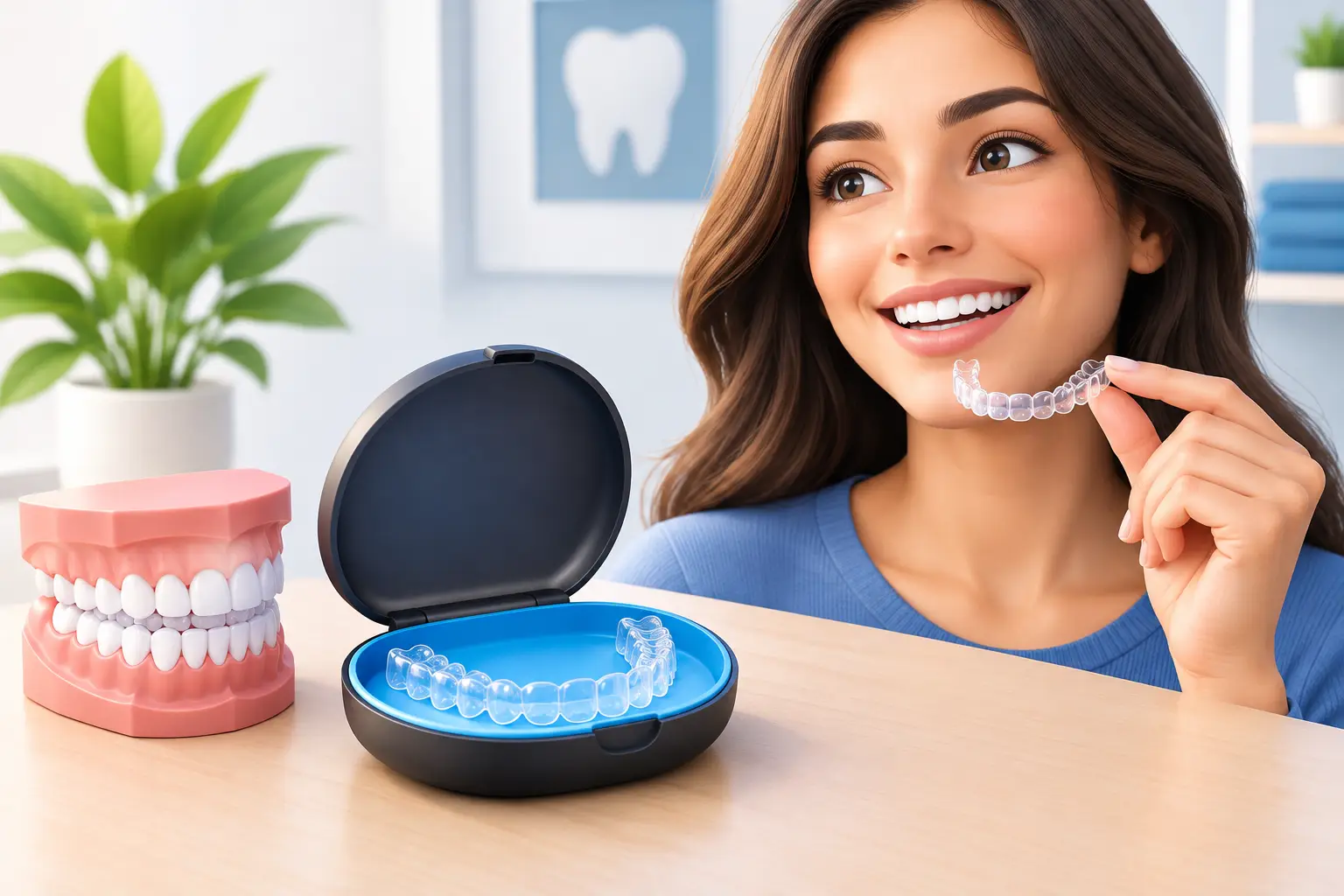
Invisalign treatment uses a series of clear, removable aligners made specifically for your teeth. Each set is worn for around one to two weeks before moving to the next, gradually placing gentle pressure on selected teeth. The aim may be to straighten crowded or spaced teeth, improve a bite, or make the smile easier to clean and maintain.
Before treatment begins, your dentist takes digital scans and plans the desired tooth movements. You can usually see a simulated preview of the proposed outcome, which is helpful when deciding whether the treatment suits your priorities. It is still a treatment plan, not a guarantee of an identical result. Teeth and gums respond differently from person to person, and regular reviews help keep the plan on track.
Clear aligners are popular because they are discreet. They are not completely invisible at close range, particularly when small tooth-coloured attachments are needed, but most people find them far less noticeable than traditional braces.
Invisalign aligners review: the day-to-day experience
For the right patient, the biggest benefit is flexibility. Aligners can be removed for meals, brushing and flossing. There are no brackets to clean around and no food restrictions caused by fixed wires. If you have a special occasion, they can come out briefly, although this should be the exception rather than the routine.
The trade-off is responsibility. Aligners generally need to be worn for 20 to 22 hours a day. Taking them out for long lunches, frequent coffees or evenings at home can slow tooth movement and affect the result. Clear aligners work well when they are worn consistently, not simply because they are more convenient.
Most patients notice pressure or tenderness for a day or two after changing to a new aligner. This is usually a sign that the aligner is actively moving the teeth. It should feel manageable rather than painful. If an aligner is rubbing, does not fit properly or causes ongoing discomfort, contact your dental team rather than trying to alter it yourself.
Speech can feel slightly different for the first few days, with a temporary lisp for some people. This normally settles as your tongue adjusts. You may also find that you snack less often because aligners need to be removed and teeth cleaned before putting them back in. For many people, that becomes an unexpected benefit.
Cleaning and care matter more than people expect
Aligners should be rinsed whenever they are removed and cleaned gently with a soft toothbrush and appropriate cleaning product. Hot water can warp the plastic, so use cool or lukewarm water. It is also best to remove aligners before drinking anything other than water, as coffee, tea, red wine and sugary drinks can stain them or allow sugar to sit against the teeth.
Keep the previous set of aligners in a labelled case until your dentist tells you otherwise. If a current aligner is lost or damaged, the previous set may help prevent teeth from shifting while you wait for advice.
What results can you expect?
The answer depends on the complexity of your starting point, the type of movements required and how reliably you wear the aligners. Mild crowding or spacing may be treated relatively quickly, while bite correction and more complex movement can take longer. Your dentist will discuss a realistic timeframe after examining your teeth, gums and bite.
Attachments are a common part of treatment. These are small, tooth-coloured shapes placed on certain teeth to give the aligners something to grip. They make more precise movements possible, but they can be felt when the aligners are out. Some treatment plans also require minor enamel reshaping between teeth to create room. When recommended, this is carefully planned and conservative, but it should always be explained before you proceed.
Refinement aligners may be needed after the first series. This does not mean treatment has failed. It simply allows your dentist to fine-tune the finish where teeth have not moved exactly as predicted. Once active treatment is complete, retainers are essential. Teeth naturally tend to drift over time, and retainers protect the result you have invested in.
Who is Invisalign treatment best for?
Invisalign can be an excellent option for adults who want a discreet way to improve the position of their teeth and can commit to wearing aligners as instructed. It can address a wide range of orthodontic concerns, but it is not automatically the best choice for every smile.
Fixed braces may be recommended when tooth movements are particularly complex, when bite changes need closer control, or when a patient is unlikely to wear removable aligners consistently. In some cases, treatment may need to begin with gum care, fillings, crowns or other dental work. Healthy gums and teeth provide the foundation for any orthodontic treatment.
It is also worth considering your routine honestly. If your workday involves frequent grazing, long periods away from a bathroom, or you know you are likely to misplace removable appliances, braces may be easier to manage. The best treatment is the one that suits both your clinical needs and your day-to-day life.
Cost and planning: look beyond the advertised starting price
The cost of Invisalign treatment varies because no two treatment plans are the same. A simple cosmetic correction is different from treatment involving bite changes, attachments, refinements and long-term monitoring. A proper quote should explain what is included, such as scans, aligners, review appointments, refinements and retainers.
It is sensible to ask about payment timing and available finance options before starting. Budget-conscious care does not mean choosing the cheapest headline price. It means understanding the full plan, knowing what you are paying for and avoiding surprises later.
At Riverina Dental Albury, Invisalign planning is approached as part of your overall oral health, not as a one-size-fits-all cosmetic service. A consultation gives you the chance to discuss your smile goals, ask practical questions and receive advice based on your teeth, bite and budget.
Questions to ask at your consultation
A helpful consultation should leave you clear about the process rather than pressured to decide immediately. Ask whether aligners are suitable for your specific concerns, how long treatment is likely to take and what level of wear is expected each day. You can also ask whether attachments or enamel reshaping are likely, what happens if you lose an aligner, and how retainers will be managed after treatment.
If you have a history of teeth grinding, gum disease, jaw discomfort or previous orthodontic treatment, raise it early. These details can influence the treatment plan and the type of retainer recommended. The more complete the conversation, the more confident you can feel about your choice.
Clear aligners are not a shortcut, but for the right person they can be a comfortable, discreet and highly effective way to straighten teeth. A personalised assessment is the best next step: it turns general online information into a plan that respects your smile, routine and long-term dental health.