
A throbbing tooth at 2 am, a tooth knocked loose during sport, or swelling that seems to be getting worse by the hour can make it hard to think clearly. Knowing the top dental emergency signs helps you act early, protect your smile and avoid turning a manageable problem into a more complex one.
Not every toothache requires immediate treatment, but pain, injury and infection can change quickly. If you are unsure, it is always reasonable to call for advice. A caring dental team can help you understand whether you need urgent attention, what you can safely do at home and what should not wait.
What counts as a dental emergency?
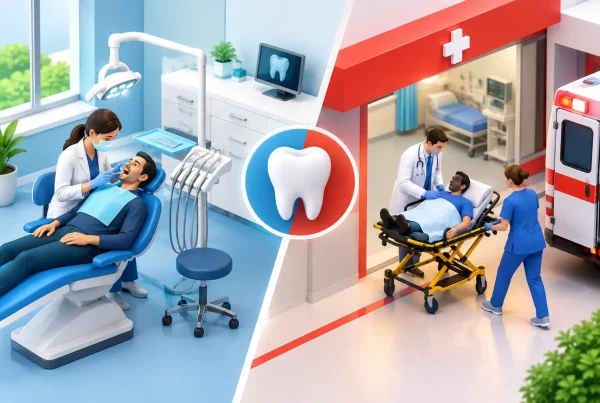
A dental emergency is a problem involving your teeth, gums, jaw or mouth that needs prompt professional care to control pain, stop bleeding, treat infection or save a tooth. The right timing depends on the issue. Some concerns need a dentist on the same day, while others may need urgent medical help through emergency services.
The key is not to wait for severe discomfort if there is swelling, trauma or signs of infection. Dental problems do not always settle on their own. Pain may fade temporarily if a tooth nerve is badly damaged, but the underlying infection or fracture can still progress.
Top dental emergency signs to watch for
Severe or persistent tooth pain
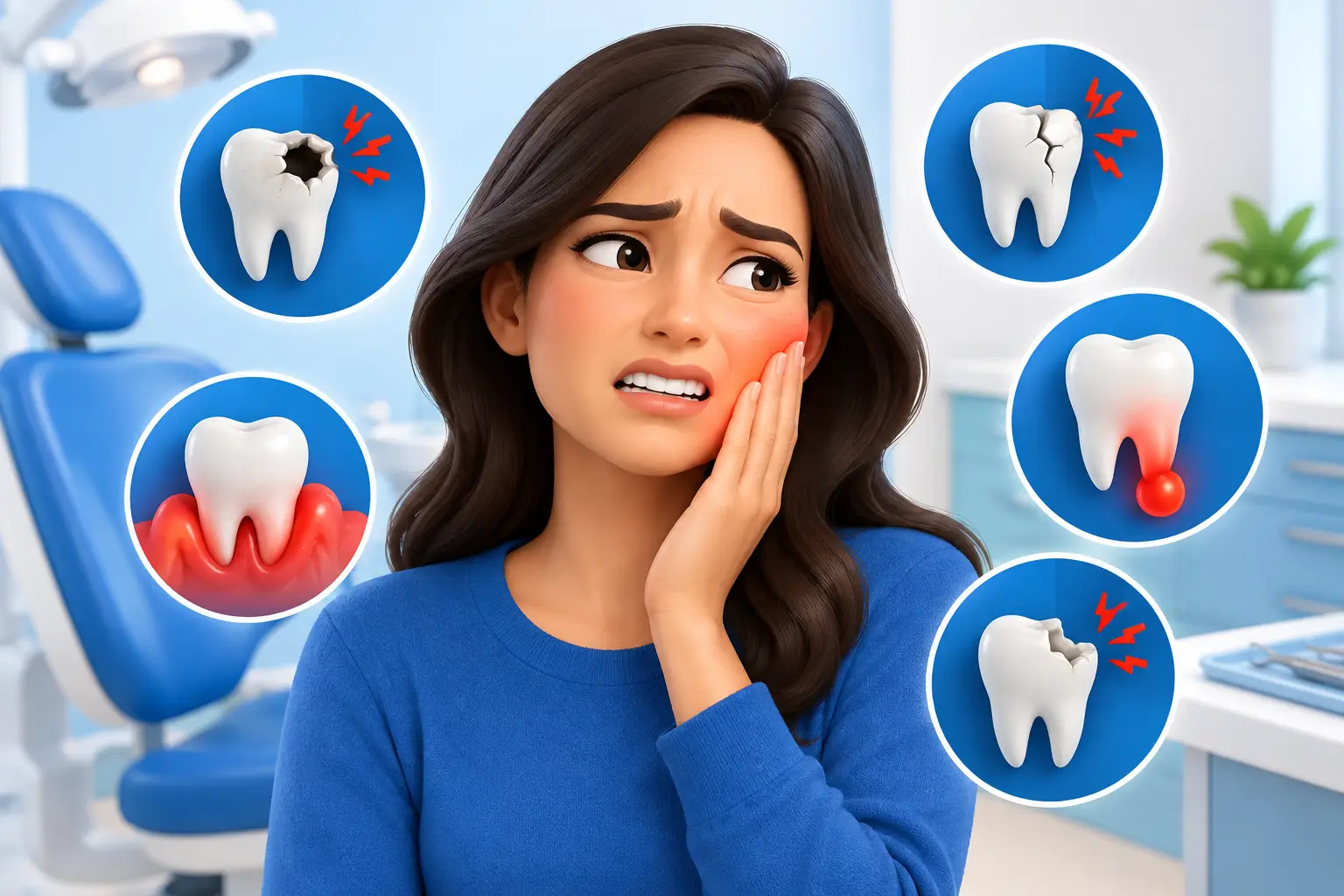
A mild sensitivity to cold can sometimes wait for a routine appointment. However, intense, constant or worsening pain deserves urgent assessment, especially if it keeps you awake, makes chewing difficult or does not improve with ordinary pain relief.
Severe pain can be caused by deep decay, a cracked tooth, an exposed nerve, gum infection or an abscess. Avoid placing aspirin directly on the gum or tooth, as this can burn the soft tissue. A cool compress against the outside of your cheek may help while you arrange care.
Facial swelling, gum swelling or a dental abscess
A swollen gum, tender lump near a tooth, bad taste in the mouth or pus can indicate an infection. Swelling around the cheek, jaw or face should be taken seriously, even if the tooth itself is not very painful.
Dental infections can spread beyond the tooth and require prompt treatment. Call a dentist as soon as possible for advice. If swelling affects your eye area, neck, breathing or swallowing, seek emergency medical care immediately. Do not wait to see whether it goes down overnight.
A knocked-out permanent tooth
A permanent tooth that has been completely knocked out needs immediate action. Time matters because the best chance of saving the tooth is often within the first hour.
Hold the tooth by the crown, which is the visible chewing part, not the root. If it is dirty, gently rinse it with milk or saline for a few seconds without scrubbing it. If you can safely place it back in the socket, do so and bite gently on clean gauze or a cloth. If not, keep it moist in milk or inside your cheek if there is no risk of swallowing it, then contact an emergency dentist straight away.
Do not try to reinsert a baby tooth. This could harm the developing adult tooth underneath. Seek dental advice promptly instead.
A cracked, broken or loose tooth
Teeth can fracture after a fall, sporting impact, biting something hard or grinding at night. A small chip without pain may be able to wait briefly, but a broken tooth with sharp edges, strong sensitivity, bleeding or pain needs urgent attention. The same applies to a tooth that feels loose after an injury.
Rinse gently with warm water and keep any broken pieces in milk or saline if you can find them. Avoid chewing on that side. A dentist may be able to smooth a sharp edge, place a protective restoration or stabilise a loose tooth before further damage occurs.
Bleeding that will not stop
Some bleeding after brushing too firmly, flossing inflamed gums or having a dental procedure can occur. Bleeding that is heavy, follows an injury or does not ease after firm pressure is different.
Place clean gauze or a clean folded cloth over the area and bite down with steady pressure. If bleeding remains significant after 10 to 15 minutes, or you feel faint or unwell, seek urgent medical advice. People taking blood-thinning medication should be especially cautious and should not stop prescribed medicine without speaking to their doctor.
Lost fillings, crowns or temporary restorations with pain
A lost filling or crown can leave sensitive tooth structure exposed. It may not always be an emergency, but it should be assessed quickly if the tooth is painful, sharp, cracked or difficult to bite on. Leaving it too long can allow food and bacteria to enter the tooth, increasing the chance of further decay or fracture.
Keep the crown if it has come off, but do not use household glue to put it back. Temporary dental repair products from a pharmacy may offer short-term protection in some situations, though they are not a replacement for treatment.
Jaw pain after an accident or difficulty opening your mouth
A blow to the jaw, sudden bite change, teeth that no longer meet properly, numbness, or trouble opening and closing your mouth can point to a jaw injury. These symptoms need urgent assessment, particularly after a vehicle accident, fall or sporting collision.
If you suspect a broken jaw, avoid eating and do not try to force it into position. Medical emergency care may be needed alongside dental treatment.
When to call a dentist and when to call emergency services
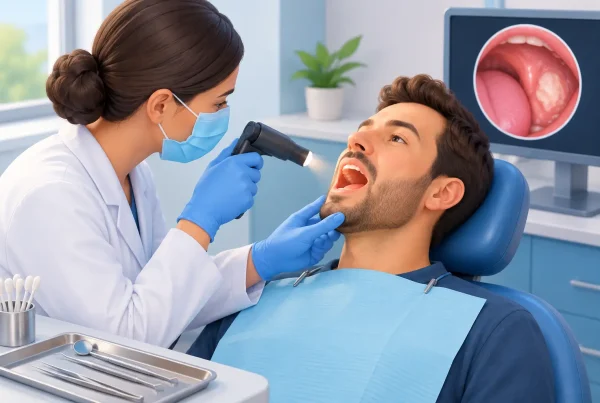
An emergency dentist is usually the right first call for severe toothache, a dental abscess, a knocked-out or broken tooth, lost restorations causing pain and bleeding from the mouth that is not settling. Fast dental assessment can relieve pain and may help save a tooth.
Call Triple Zero (000) or go to the nearest emergency department if you have difficulty breathing or swallowing, rapidly spreading facial or neck swelling, uncontrolled bleeding, loss of consciousness, a suspected jaw fracture, or a serious head injury. These are medical emergencies, not problems to manage at home.
If you are uncertain, explain your symptoms clearly when you call. Mention when the problem started, whether swelling is increasing, any fever, recent injury, medication use and whether you can eat, drink, breathe and swallow normally.
What to do while you wait for urgent dental care
Small actions can make a real difference, but they should support professional treatment rather than delay it. Rinse gently with warm salt water if your mouth is sore, unless a clinician has given you different instructions. Use a cold pack wrapped in a cloth on the outside of the face for swelling or injury, applying it in short intervals.
Choose soft foods and avoid very hot, cold, sweet or hard foods if a tooth is sensitive. Keep your head elevated when resting if throbbing pain or swelling is worse when lying flat. If you take pain relief, follow the packet instructions and consider any health conditions, allergies or medicines that may affect what is suitable for you.
Avoid smoking and alcohol around an infected or injured area, as both can slow healing and irritate the tissues. Never attempt to drain an abscess, pull a damaged tooth or use sharp objects to remove something stuck between teeth.
Do not ignore the quieter warning signs
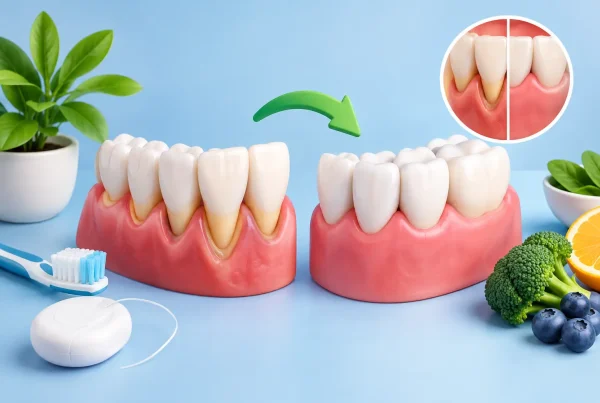
Some dental emergencies begin subtly. A pimple-like bump on the gum, repeated pain when biting, sensitivity that lingers after a cold drink, a bad taste near one tooth or a crown that suddenly feels high can all signal a problem worth checking soon. Early treatment is often gentler, simpler and more budget-friendly than waiting for a painful flare-up.
For Albury-Wodonga patients, Riverina Dental Albury provides urgent support with a focus on calm, personalised care. The aim is to address the immediate problem, explain the available options clearly and help you make a sensible plan for what comes next.
Your mouth is very good at getting your attention when something is wrong. Trust that signal, make the call early and give yourself the best chance of a comfortable recovery.