
A painful, failing tooth can quickly become more than a dental problem. It can affect what you eat, how you sleep, your confidence at work and your ability to get through the day. If the cost of essential treatment feels out of reach, a dental superannuation release example can make the process easier to understand – but it is not a promise that an application will be approved.
In Australia, eligible people may apply for early release of super on compassionate grounds to pay for necessary medical treatment, including certain dental treatment. The decision is made by the Australian Taxation Office (ATO), not your dentist or your super fund. Your dental team’s role is to carefully assess your condition, explain clinically appropriate options and provide the supporting information required for your application.
When dental treatment may qualify for compassionate release
Compassionate release is intended for treatment that is necessary to treat a life-threatening illness or injury, alleviate acute or chronic pain, or alleviate acute or chronic mental illness. For dental patients, this can include serious infection, advanced decay, gum disease, broken teeth, extensive tooth loss or problems that make it difficult to chew or function comfortably.
The treatment must generally not be readily available through the public health system. It must also be necessary for your condition, rather than simply preferred. Purely cosmetic treatment, such as whitening or veneers undertaken only to change the look of healthy teeth, is unlikely to meet the criteria.
There is an important distinction here. A treatment plan can improve appearance and still be medically necessary. For example, a crown, bridge, denture or implant may restore a smile, but its clinical purpose may be to replace missing teeth, support eating, prevent further damage or manage pain. Each case is assessed on its own evidence.
A dental superannuation release example
Consider an adult in Albury-Wodonga who has avoided dental care for several years because of cost and anxiety. They now have two badly broken molars, a recurring dental infection, widespread gum inflammation and several missing back teeth. They are relying on the other side of their mouth to chew and are regularly taking pain relief to manage discomfort.
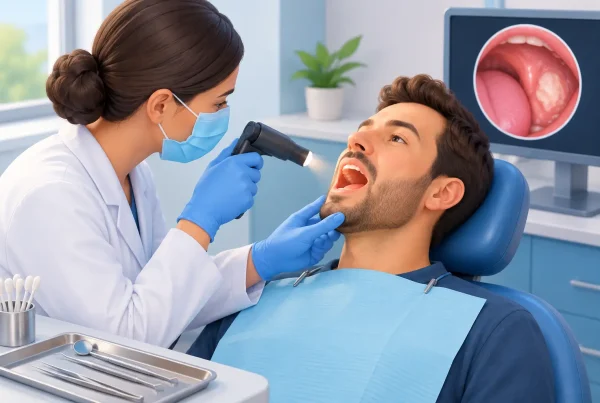
After an examination and X-rays, the dentist recommends removing teeth that cannot be saved, treating the infection and gum disease, and replacing missing teeth with a denture or other suitable restorative option once the mouth is stable. The dentist explains that the treatment is staged. Urgent care comes first, followed by the work needed to restore function and support long-term oral health.
The patient receives an itemised quote and a written treatment plan. Supporting clinical information describes the condition, the pain and functional impact, the proposed treatment and why it is necessary. The patient then applies to the ATO for compassionate release of superannuation for the estimated cost of the eligible treatment.
If approval is granted, it may be for a specified amount and purpose, rather than a general withdrawal of funds. The patient then provides the approval to their super fund and pays for treatment as arranged. If the approved amount does not cover every option in the plan, the patient may choose a more budget-conscious approach, stage treatment, or discuss available payment arrangements.
This example is illustrative only. Approval depends on your personal circumstances, the evidence provided and the ATO’s assessment. A dentist cannot guarantee an outcome, and approval is not automatic because a treatment is expensive.
What evidence is commonly needed?
A clear application usually begins with a proper dental assessment. Trying to estimate treatment from a quick phone conversation or an old quote can create delays and may not reflect what is clinically needed now.
Your dental documents may include a written treatment plan, itemised quote, X-rays or other diagnostic records, and a report outlining your diagnosis, symptoms and recommended care. The report should explain the clinical reason for treatment, particularly where pain, infection, chewing difficulty or a progressive dental condition is involved.
You may also need medical documentation in the format requested for a compassionate release application. Requirements can change, and the ATO may ask for information from appropriately qualified practitioners. It is wise to check the current application requirements before submitting anything, rather than assuming a previous application or a friend’s experience will be the same as yours.
Financial details also matter. The ATO considers whether you can meet the expense without early access to super. Be accurate and complete when describing your circumstances. If your application is approved, your super fund will have its own steps before releasing money.
Why the treatment plan matters
The strongest plans are not just a list of procedures. They show a logical pathway from the problem you have now to the care required to manage it safely.
For example, severe gum disease may need periodontal treatment before a bridge, denture or implant is considered. An infected tooth may need urgent treatment or removal before any replacement is planned. Where several teeth are affected, doing everything at once may not be clinically necessary or financially realistic. Staging care can reduce the immediate cost while still addressing the most urgent risks first.
This is also where personalised planning makes a real difference. Some patients want the most comprehensive long-term option. Others need the most reliable way to get out of pain, eat more comfortably and stop further deterioration within a limited budget. Neither conversation should be rushed. You deserve to understand the benefits, likely lifespan, maintenance requirements and costs of each suitable option.
Costs, tax and other practical considerations
Early release of superannuation can provide access to funds for necessary care, but it has trade-offs. Taking money out now may reduce the balance available for retirement, and the released amount may be taxed. The amount approved may need to account for tax so that the net funds available can cover the approved expense.
There can also be a gap between receiving approval and receiving the money from your super fund. If you have swelling, severe pain, a spreading infection or trauma, do not wait for an application outcome before seeking urgent dental advice. Emergency treatment may be needed to protect your health, and your dentist can explain immediate options.
Ask for an itemised quote and clarify what it includes. Dental treatment sometimes needs to be adjusted after a tooth is assessed more closely or once treatment begins. Discuss how changes to the plan would be handled, whether review appointments are included and what ongoing maintenance is likely to cost. Restorative treatment is an investment in health, but it still needs regular care to last well.
Questions patients often ask
Can I use super for implants?
Possibly, but implants are not automatically eligible. The clinical reason matters. If an implant is recommended to address tooth loss and restore function after necessary treatment, it may form part of a broader application. A less costly option, such as a denture or bridge, may also be discussed. The right option depends on your oral health, bone support, medical history, goals and budget.
Can I apply for cosmetic dental work?
Compassionate release is not generally intended for treatment that is cosmetic only. If treatment has both functional and aesthetic benefits, the supporting documentation should focus on the diagnosed dental condition and the clinical need for care.
Does approval mean I must proceed with every item in the quote?
Approval relates to the circumstances and treatment described in your application. Before changing the plan or using funds for a different purpose, seek guidance from the relevant authorities and your super fund. Your dental team can help you understand your treatment choices, but cannot give financial or legal advice.
At Riverina Dental Albury, we know that cost can be the reason people put off treatment until discomfort becomes hard to ignore. A gentle, thorough examination is the right first step. From there, you can have an honest conversation about what needs attention now, what can be staged and what documents may help if you decide to explore compassionate release.
You do not have to make a major financial decision while trying to cope with toothache alone. Start with a clear diagnosis and a treatment plan you understand, then take the next step with the right information in front of you.