A dental abscess can turn an ordinary day into a painful one very quickly. If you need to manage dental abscess pain, the priority is to stay comfortable while arranging urgent dental treatment – not to wait for the infection to settle by itself. An abscess is a pocket of infection, and while pain may come and go, the infection can continue to spread.
What a dental abscess can feel like
A dental abscess commonly causes a persistent, throbbing toothache that may spread into the jaw, ear or neck. The tooth may hurt when you bite, feel sensitive to hot or cold foods, or seem slightly higher than the teeth around it. Some people notice a pimple-like swelling on the gum, a bad taste in the mouth, facial swelling or swollen glands under the jaw.
Not every abscess looks dramatic at first. A deep infection around the root of a tooth can cause severe pressure without much visible swelling. Others begin in the gums, particularly where gum disease has created a space beside a tooth. Either way, it needs professional assessment as soon as possible.
Pain that suddenly disappears is not always good news. It can mean the pressure has found a way to drain, or that the nerve inside the tooth has stopped responding. The underlying infection may still be present and can flare up again.
When a dental abscess is an emergency
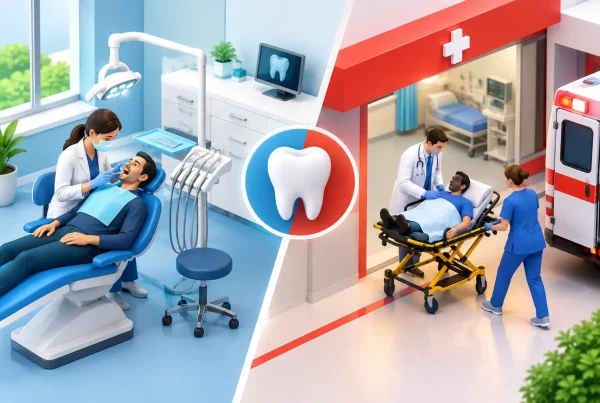
Call a dentist promptly if you suspect an abscess, ideally on the same day. Dental infections are not something to monitor for several days at home, especially if swelling is increasing or pain medicine is no longer helping.
Seek urgent medical help immediately if you have any of the following:
- difficulty breathing, swallowing or speaking
- swelling around the eye, under the jaw, or across the face and neck
- a high temperature, chills, confusion or feeling severely unwell
- difficulty opening your mouth normally
- rapidly increasing swelling or pain
These symptoms can indicate that an infection is spreading beyond the tooth and requires urgent care. If breathing or swallowing is affected, call Triple Zero (000) or attend the nearest emergency department rather than driving yourself.
How to manage dental abscess discomfort at home
Home care can reduce discomfort for a short time, but it cannot remove the source of a dental abscess. Think of these measures as a bridge to your dental appointment.
For many adults, over-the-counter pain relief such as paracetamol or ibuprofen can help when taken exactly as directed on the packet. These medicines are not suitable for everyone. Check with a pharmacist, GP or dentist first if you are pregnant, take blood-thinning medicine, have kidney, stomach, liver or heart conditions, or are unsure which option is safe for you. Do not exceed the recommended dose or combine medicines without professional advice.
A cold pack wrapped in a cloth against the outside of the cheek may ease pain and reduce swelling. Use it for short periods, with breaks in between. Avoid heat packs or warm compresses on facial swelling, as heat may worsen inflammation or encourage the infection to spread.
Gently rinse your mouth with warm salty water after eating. Mix a teaspoon of salt into a glass of warm water, swish carefully, then spit it out. This can help keep the area clean and soothe tender gums, but it is not a cure. Continue brushing with a soft toothbrush, taking care around the painful area. Keeping your mouth clean is helpful, even when it is tender.
Choose softer foods and chew on the opposite side where possible. Very hot, cold, sweet or crunchy foods can trigger pain in an affected tooth. Drink water regularly and avoid smoking or vaping, which can slow healing and irritate oral tissues.
What not to do when you manage a dental abscess
It is understandable to want fast relief, but some common home remedies can cause more harm than good. Do not try to pop, squeeze, cut or drain a gum swelling yourself. This can push bacteria into surrounding tissues, cause bleeding and delay appropriate treatment.
Do not place aspirin, alcohol, cloves, essential oils or any other substance directly onto the gum or tooth. These can burn the soft tissues and make the area more painful. Antibiotics left over from a previous illness should not be used either. The wrong antibiotic, dose or duration may not treat the infection, and antibiotics alone often do not resolve an abscess without dental treatment.
Avoid delaying an appointment because swelling has reduced or an unpleasant taste suggests that pus has drained. The tooth or gum still needs treatment to prevent another flare-up.
Why dental treatment is needed
An abscess develops when bacteria enter a tooth or gum tissue. This can happen through deep decay, a cracked tooth, previous dental work that has failed, injury, or advanced gum disease. Once bacteria are established inside a tooth or below the gum line, mouth rinses and pain relief cannot reach and remove the source.
Your dentist will examine the area and may take an X-ray to see where the infection is and how the tooth, bone and surrounding tissues are affected. The right treatment depends on the cause. It may involve draining the abscess, cleaning the tooth with root canal treatment, treating the gums, repairing the tooth, or removing a tooth that cannot be saved.
Antibiotics may be prescribed when there are signs the infection is spreading, when there is significant swelling or fever, or where drainage cannot be achieved straight away. They are an important part of care in some situations, but they are not a substitute for treating the source. This is why a dental review remains necessary even if symptoms improve after starting antibiotics.
Getting care quickly in Albury-Wodonga
When you call for an urgent appointment, explain that you have tooth pain, swelling, a bad taste, fever, or any trouble swallowing. These details help the team assess how quickly you need to be seen. If you are anxious about dental treatment, say so too. A caring clinic can talk you through what to expect and focus first on getting you comfortable and safe.
At Riverina Dental Albury, emergency care is approached with the same focus as all treatment: listening carefully, explaining the options clearly and creating a practical plan for both immediate relief and long-term oral health. Costs and treatment choices can vary depending on whether the tooth can be saved, the extent of infection and the care required, so asking for a clear treatment plan is sensible.
Reducing the chance of another abscess
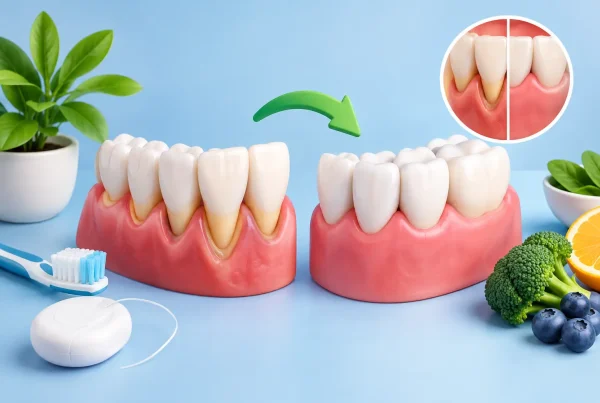
Some abscesses cannot be predicted, particularly after a tooth cracks or an old filling breaks down. However, regular check-ups can identify decay, leaking fillings, gum disease and cracks before they become painful infections. Professional cleaning, daily brushing with fluoride toothpaste, cleaning between teeth and addressing bleeding gums early all help lower the risk.
If you have had root canal treatment, a large filling, crown or a history of gum disease, keep up with the review schedule your dentist recommends. These teeth may need closer monitoring, but prompt care can often protect them for many years.
The kindest thing you can do for a suspected abscess is not to tough it out. Arrange urgent dental care, use safe short-term measures for comfort, and get help immediately if swelling or illness is escalating.