That sharp twinge when you sip something cold, or teeth that seem less bright despite regular brushing, can be early signs that your enamel needs attention. Knowing how to protect tooth enamel is not about giving up every coffee, citrus fruit or celebration drink. It is about making a few well-timed, sustainable choices that reduce acid exposure and give your teeth the care they need.
Enamel is the hard outer layer of each tooth. It is remarkably strong, but it cannot grow back once it has been lost. Saliva, fluoride and good daily habits can help remineralise weakened areas before a cavity forms, but established enamel erosion needs professional management. That is why prevention matters.
What wears down tooth enamel?
Enamel is most often affected by acids. These can come from foods and drinks, including soft drinks, sports drinks, fruit juice, wine, kombucha and citrus. Frequent snacking can also be a factor, even when the food seems healthy. Each time you eat or drink something acidic or sugary, the mouth becomes more acidic for a period of time.
Acid reflux and frequent vomiting can expose teeth to stomach acid, which is particularly damaging. Dry mouth, some medications, teeth grinding and brushing too firmly can also make enamel wear more likely. Sometimes the cause is a combination of everyday habits rather than one obvious problem.
Early enamel erosion may not be easy to see. Teeth can look more yellow as the dentine beneath becomes more visible, develop translucent edges, or feel sensitive to hot, cold or sweet foods. As enamel thins, teeth may chip more easily and fillings can become more noticeable around their edges.
How to protect tooth enamel at meals and snacks
The goal is to reduce how often your teeth face an acid attack, rather than trying to eat a perfect diet. Drinking a soft drink slowly over several hours, for example, keeps exposing enamel to acid. Having it occasionally with a meal is generally kinder to teeth than sipping it throughout the day.
Water is the best everyday drink for your teeth. If you enjoy sparkling water, it is still acidic, so plain tap water is the better choice for regular hydration. Use a reusable bottle at work, on the school run or while out and about in Albury-Wodonga, particularly if you tend to reach for cordial, energy drinks or fizzy drinks when busy.
Try to keep sweet or acidic foods and drinks to mealtimes where possible. Cheese, yoghurt and other calcium-rich foods may be helpful choices as part of a balanced diet, although they do not cancel out the effects of frequent acid exposure. Finishing a meal with water is a simple way to rinse away food particles and support saliva.
If you choose juice, soft drink or sports drinks, use a straw where practical and avoid swishing the drink around your mouth. Sports drinks can be useful in specific endurance situations, but they are not a routine hydration choice for most people. The same applies to lemon water: it may be refreshing, but frequent sipping can be hard on enamel.
Wait before brushing after acidic foods and drinks
This is one of the most useful, and often missed, enamel-protection habits. After an acidic drink, meal or reflux episode, enamel is temporarily softened. Brushing straight away can increase wear by rubbing the softened surface.
Instead, rinse your mouth with water and wait around 30 minutes before brushing. This gives saliva time to help restore a healthier pH in the mouth. If you need to freshen up sooner, sugar-free gum can stimulate saliva, provided it is suitable for you.
After vomiting or reflux, do not brush immediately. Rinse gently with water first. If reflux is frequent, speak with your GP as well as your dentist. Protecting your teeth is important, but addressing the underlying health concern matters too.
Brush gently, twice a day
More pressure does not mean a better clean. Brushing hard, especially with a firm brush or abrasive toothpaste, can wear enamel near the gumline and irritate gums. A soft-bristled toothbrush, gentle circular motions and two minutes of brushing twice daily are usually enough to clean effectively.
Choose a fluoride toothpaste and spit out the excess after brushing rather than rinsing your mouth thoroughly with water. Leaving a light film of fluoride on the teeth gives it more time to support remineralisation. For most adults, a standard fluoride toothpaste is appropriate, though your dentist may recommend a higher-fluoride option if you have a higher risk of decay or erosion.
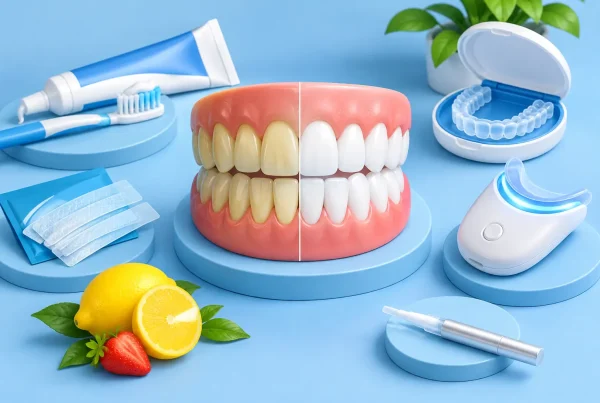
Whitening toothpastes deserve a little caution. Some can be more abrasive than regular toothpaste, especially when used long term. They may help lift surface staining, but they will not rebuild lost enamel. If sensitivity or enamel wear is a concern, ask which toothpaste is appropriate before making whitening products part of your daily routine.
Look after dry mouth and teeth grinding
Saliva is one of your teeth’s natural defences. It washes away food, buffers acids and supplies minerals that support enamel. A persistently dry mouth can therefore increase the risk of decay and erosion.
Dry mouth may be linked to medication, dehydration, mouth breathing, smoking or some health conditions. Drinking water regularly can help, but ongoing dryness deserves a dental review. Your dentist can identify signs of damage and discuss practical options, including products designed to support moisture and saliva flow.
Grinding or clenching can wear down enamel through physical force rather than acid. You may notice a tight jaw, morning headaches, flattened teeth or chipped edges. A professionally made night guard may protect teeth while you sleep, but it needs to fit properly and be reviewed over time. Store-bought guards are not always suitable, particularly if you have existing dental work or jaw symptoms.
Get help before sensitivity becomes more serious
Tooth sensitivity does not always mean enamel erosion, but it should not be ignored. A cracked tooth, gum recession, decay, a worn filling or gum disease can cause similar symptoms. A dental examination is the safest way to understand what is happening and avoid treating the wrong problem at home.
At Riverina Dental Albury, we take a gentle, practical approach to enamel wear. Depending on your needs, this may involve fluoride treatment, desensitising products, changes to your brushing routine, protective restorations or a personalised plan to manage more advanced wear. The right option depends on how much enamel has been lost, what is causing it and what feels manageable for your budget.
Regular check-ups allow small changes to be identified before they become painful or expensive problems. If you have noticed new sensitivity, rough tooth edges, increased chipping or a change in the shape or colour of your teeth, arranging an appointment sooner is worthwhile.
Your teeth do not need perfection to stay healthy. A water bottle, a softer brushing technique, fewer all-day acidic drinks and timely dental care can make a meaningful difference. Small choices repeated every day are often the most protective ones.