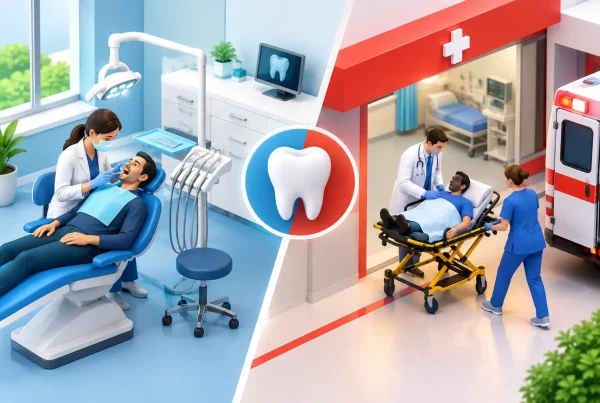

A dental appointment can feel like a small thing to one person and a very big thing to another. If anxiety has made you delay a clean, filling, extraction or more involved treatment, understanding your sedation dentistry options may help you feel more in control before you sit in the chair.
Sedation is not about simply “getting through” dentistry. Used appropriately, it can help reduce fear, make longer appointments more manageable and allow your dentist to provide care while protecting your comfort and safety. The right choice depends on your health, the treatment you need and how anxious you feel – there is no single option that suits everyone.
When sedation may be worth discussing
Many people feel nervous about dental treatment, even if they have had positive appointments in the past. You may be concerned about needles, sounds, gagging, loss of control or a previous difficult experience. Others find that back, jaw or neck discomfort makes it hard to stay comfortable during a longer procedure.
Sedation can also be considered for patients needing complex work, such as surgical extractions, implant treatment or several procedures planned in one visit. It may be helpful when a strong gag reflex makes treatment difficult. However, sedation does not replace local anaesthetic. Local anaesthetic is still used to numb the area being treated so you should not feel pain.
A calm conversation is the first step. Your dentist should ask about your medical history, medications, allergies, sleep apnoea, alcohol use and past experiences with anaesthesia. These details matter when deciding what is safe and appropriate.
Sedation dentistry options explained
Local anaesthetic with comfort measures
For many patients, the most suitable approach is not medication-based sedation at all. A gentle technique, clear explanations, regular breaks and effective local anaesthetic can make routine treatment feel far more manageable.
You can ask to agree on a hand signal for a pause, wear headphones if this is appropriate, or request that your dentist explains each stage before proceeding. For mild anxiety, these practical measures can be enough, particularly when you see the same trusted dental team over time.
Inhalation sedation, often called happy gas
Inhalation sedation usually involves breathing a carefully controlled mix of nitrous oxide and oxygen through a small mask placed over your nose. It can create a relaxed, light feeling while you remain awake and able to respond to your dentist.
One advantage is that the effects wear off relatively quickly once the gas is stopped. Some patients appreciate that it feels less overwhelming than stronger forms of sedation. It can be useful for short to moderate appointments and for people who want help settling into treatment without being fully asleep.
It is not suitable for every person or every procedure. Nasal congestion, some respiratory conditions and the type of treatment planned can affect whether it is a practical choice. Your dentist will explain the likely benefits and limitations for your circumstances.
Oral sedation
Oral sedation involves taking prescribed medication before your appointment. It may help reduce moderate anxiety and make you feel drowsy and less focused on the sights and sounds of treatment.
Because the response can vary between individuals, oral sedation requires careful planning. You will usually need a responsible adult to bring you to the appointment, take you home and stay with you afterwards as instructed. You should not drive, return to work, drink alcohol, make important decisions or operate machinery until the medication has fully worn off.
Oral sedation can be a useful option for some anxious patients, but it is less adjustable during the appointment than inhalation or intravenous sedation. Your dentist will also need to consider any medications you already take and whether you have health conditions that could increase risk.
Intravenous sedation
Intravenous, or IV, sedation is delivered through a small cannula placed in a vein. It usually provides a deeper level of relaxation than happy gas or oral medication, while most patients remain conscious and can respond when needed.
People often remember little about the procedure afterwards, which can be reassuring if dental anxiety is severe. IV sedation may be considered for surgical treatment, lengthy appointments or patients who have avoided necessary dental care because of intense fear.
This option needs appropriate clinical facilities, trained professionals and close monitoring of your breathing, heart rate and oxygen levels. You will need an escort home and should plan to rest for the remainder of the day. The availability of IV sedation varies between practices and may involve referral to a suitably qualified provider.
General anaesthesia
General anaesthesia means you are fully unconscious for treatment. It is usually reserved for situations where it is clinically necessary, such as particularly complex oral surgery, certain medical or behavioural needs, or treatment that cannot reasonably be completed with other approaches.
General anaesthesia carries more preparation and a different level of risk than conscious sedation. It is provided in an appropriately equipped hospital or day-surgery setting with an anaesthetist. For this reason, it is not generally the first option for ordinary dental anxiety alone.
Choosing the right level of support
The best approach is based on more than how nervous you feel. Your dentist will consider the length and complexity of treatment, whether you can comfortably lie back, your airway and medical history, and how quickly you need to return to normal activities.
Cost can also be part of the decision. More advanced sedation can involve additional clinical fees, facility fees or anaesthetist fees, particularly where hospital-based care is required. A good treatment plan should clearly separate the cost of the dental procedure from the cost of sedation, so there are no surprises.
For some people, spreading treatment across shorter visits is more affordable and less stressful than arranging a sedated appointment. For others, completing significant treatment in a single planned visit may be the better path. The goal is not to persuade you towards the strongest option. It is to find the safest, most comfortable and most realistic way to help you receive the care you need.
How to prepare for a sedated dental appointment
Preparation instructions differ depending on the type of sedation. Follow the instructions given by your treating dentist exactly, especially regarding eating, drinking and taking regular medication. Do not assume that instructions from a previous procedure will be the same for a new appointment.
Tell your dental team if you become unwell before the visit, develop a cough or fever, discover you may be pregnant, or start a new medication. These changes can affect whether treatment should go ahead as planned.
If you are receiving oral, IV or general anaesthesia, arrange your transport and aftercare before the day. Your escort should be a responsible adult, not a taxi or rideshare driver. Wear comfortable clothing, leave valuables at home and keep the rest of the day clear. It is sensible to prepare easy meals and plan a quiet evening afterwards.
Questions to ask your dentist
It can help to write down concerns before your consultation. Ask which form of sedation is recommended and why, what you are likely to feel during treatment, who will administer and monitor the sedation, and what recovery will involve. You can also ask about alternatives, expected costs and whether treatment can be staged if that better suits your budget.
If you have had a difficult experience with sedation or anaesthesia before, say so. Honest information helps your dental team plan carefully. There is no need to feel embarrassed about anxiety, a gag reflex or needing extra reassurance. These are common concerns, and they deserve a respectful response.
At Riverina Dental Albury, personalised care starts with listening to what makes treatment difficult for you. Whether you need gentle support for a routine visit or advice about referral-based sedation, a clear discussion can turn a delayed appointment into a manageable next step. You do not have to wait until pain forces the issue – booking a consultation gives you space to talk through your concerns and choose a path that feels safe.