
A confident Invisalign result starts before your first clear aligner is fitted. If you are wondering how to prepare for Invisalign, the goal is not to make everything perfect at home. It is to arrive with a healthy mouth, realistic expectations and a routine you can comfortably maintain for the months ahead.
Invisalign can be a discreet way to straighten teeth, but it still requires commitment. The aligners need to be worn consistently, removed for eating and drinking anything other than water, and cleaned every day. A little preparation now can make treatment feel far easier once you begin.
Start with a thorough dental assessment
Before moving teeth, your dentist needs to make sure your teeth and gums are ready for orthodontic treatment. This appointment is about more than deciding whether clear aligners suit your smile. It gives your dentist a clear picture of your oral health, bite, existing dental work and the changes you would like to make.
Your dentist may take digital scans, photographs and X-rays to plan tooth movement accurately. These records help show what Invisalign can realistically achieve and whether another approach, such as braces or a combination of treatments, may be more suitable for your needs.
Be open about any jaw discomfort, teeth grinding, gum bleeding, loose teeth or past orthodontic treatment. Small details can affect the plan. If you have crowns, bridges, implants or veneers, clear aligners may still be possible, but the movement available around those teeth can vary.
Treat decay and gum problems first
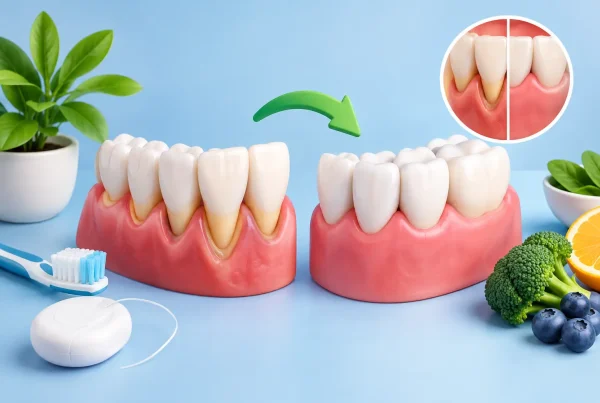
Active tooth decay, gum disease or an untreated dental infection should be addressed before Invisalign starts. Moving teeth in an unhealthy mouth can complicate treatment and may put your long-term oral health at risk.
If your gums bleed when you brush or floss, do not assume it is normal. Gum inflammation often improves with professional cleaning and better home care, but it needs attention. Your dentist will explain whether treatment can begin straight away or whether it is wiser to stabilise your gums first.
Build habits that will support your aligners
Invisalign aligners are designed to be worn for around 20 to 22 hours each day. That leaves limited time for meals, drinks and cleaning your teeth. People who do best tend to have a simple routine rather than relying on willpower each day.
Start brushing twice daily with fluoride toothpaste and cleaning between your teeth every day. Floss, interdental brushes or another option recommended by your dentist can help keep the areas between teeth clean. This is especially useful once aligners are in place, because food and plaque can be held against the teeth if trays are put back in without brushing.
If regular flossing is new to you, practise before treatment begins. The first week with Invisalign can feel busy enough without trying to establish several new habits at once.
Plan for meals, coffee and social occasions
You will need to remove your aligners to eat. Water is generally fine while wearing them, but coffee, tea, soft drink, wine and other coloured or sugary drinks are best enjoyed with aligners out. These drinks can stain the trays, expose teeth to sugar for longer and make cleaning more difficult.
This does not mean you cannot enjoy a coffee or go out for dinner. It simply means planning your timing. Many patients find it easier to have defined meal times, then brush and place their aligners straight back in. Frequent grazing can make it difficult to reach the recommended wear time.
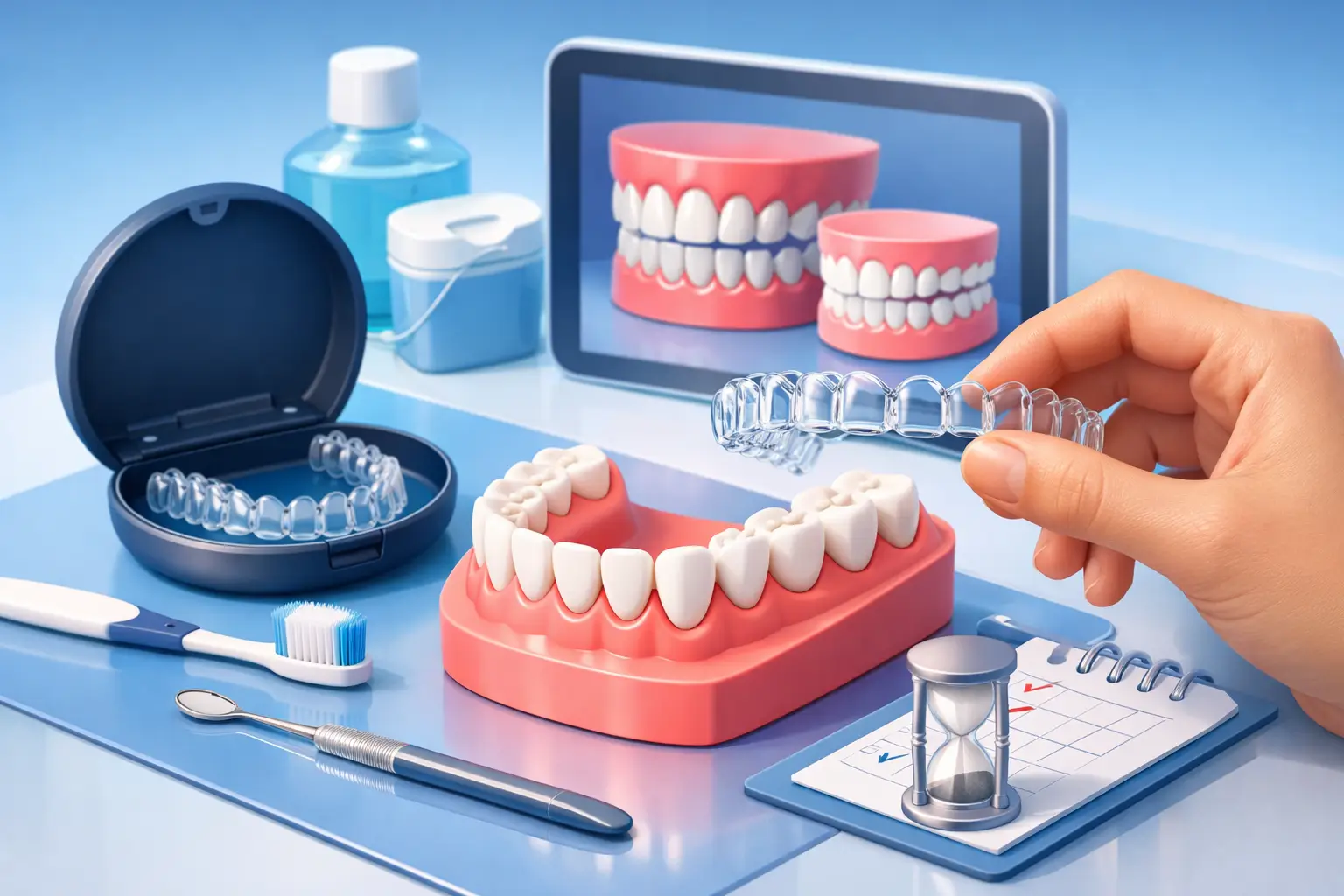
For work, school, travel or a day out around Albury-Wodonga, carry a small dental kit with a toothbrush, toothpaste, floss or interdental brushes, and your aligner case. Never wrap aligners in a napkin. They are easily thrown away by accident.
Prepare for the practical side of Invisalign
There is no need to overhaul your life, but a few useful preparations will prevent common frustrations. Choose one safe place at home for your current and spare aligners. Keep your case with you whenever the aligners are out. If a tray is lost or damaged, contact your dental clinic rather than guessing what to do next.
You may also need attachments. These are small, tooth-coloured shapes bonded to certain teeth to help the aligners create more precise movement. They are usually subtle, but they can make trays feel firmer to remove at first. Your dentist will tell you if attachments are expected and when they will be placed.
Some patients experience mild pressure for a day or two after changing to a new set of aligners. This is often a sign that teeth are moving as planned, not a sign that something has gone wrong. Softer foods can be more comfortable initially, and over-the-counter pain relief may be suitable for some people. Ask your dentist or pharmacist for advice based on your health needs.
Questions to ask before you begin
A personalised treatment plan should feel clear, not confusing. At your consultation, ask how long treatment is likely to take, how often you will need reviews, and what happens if an aligner does not fit as expected. It is also helpful to ask whether refinements are likely. Refinements are additional aligners sometimes used near the end of treatment to fine-tune the result.
Discuss retainers early as well. Teeth naturally have a tendency to shift, so retainers are a key part of protecting your new smile after Invisalign. Knowing this from the start helps you view treatment as a long-term investment in your oral health, rather than a process that ends the day the final aligner comes out.
Cost matters too. Ask for a written treatment plan that explains what is included, such as scans, attachments, reviews, refinements and retainers. If budget is a concern, discuss payment and finance options before treatment begins. A good plan should be effective clinically and manageable for your household.
How to prepare for Invisalign in the first week
The first week is mostly about getting used to the feel of the trays. You may notice a temporary change in speech, extra saliva or a feeling of pressure. Most people adapt quickly, particularly when they wear their aligners as directed rather than taking them out frequently.
Set reminders on your mobile for aligner changes and appointments. Follow the change schedule given by your dentist exactly. Changing aligners too early does not speed up treatment and can affect how teeth move. Leaving a tray out for long periods can have the same effect in the other direction.
Keep your aligners clean by rinsing them in cool water and brushing them gently with a soft toothbrush. Avoid hot water, which can distort the plastic. Clean your teeth before putting the aligners back in whenever possible, especially after meals or sweet drinks.
Contact your clinic if an aligner cracks, is lost, causes a sharp area that irritates your mouth, or does not sit properly. Do not try to force it into place. Early advice can prevent a small issue from delaying treatment.
Give yourself the best chance of a healthy result
Invisalign is not only about straighter teeth. When planned carefully, it can support a bite that is easier to clean and a smile that feels more comfortable to show. The best preparation is a healthy foundation, a realistic daily routine and a dental team you feel comfortable calling when questions arise.
At Riverina Dental Albury, we take the time to explain your options and create a treatment plan around your smile, oral health and budget. Book a consultation when you are ready to talk through whether Invisalign is the right next step for you.