
A dental appointment should never feel like a test you can fail. Whether it has been six months or several years since your last visit, knowing what happens at a dental check up can take much of the uncertainty out of walking through the door. The aim is simple: understand the current health of your teeth and gums, identify small concerns early, and give you clear, practical options for looking after your smile.
A check up is personalised. Your dentist will focus on what is relevant to you, including any discomfort, previous dental work, gum health, medical history and your goals for treatment. There is no judgement involved, only a chance to move forward with the right care.
What happens at a dental check up?
Most dental check ups begin with a conversation. You may be asked whether you have noticed tooth sensitivity, pain when chewing, bleeding gums, jaw clicking, bad breath, loose fillings or changes in the appearance of your teeth. This is also the time to mention health changes, new medicines, pregnancy, anxiety about dental treatment or a past difficult experience at the dentist.
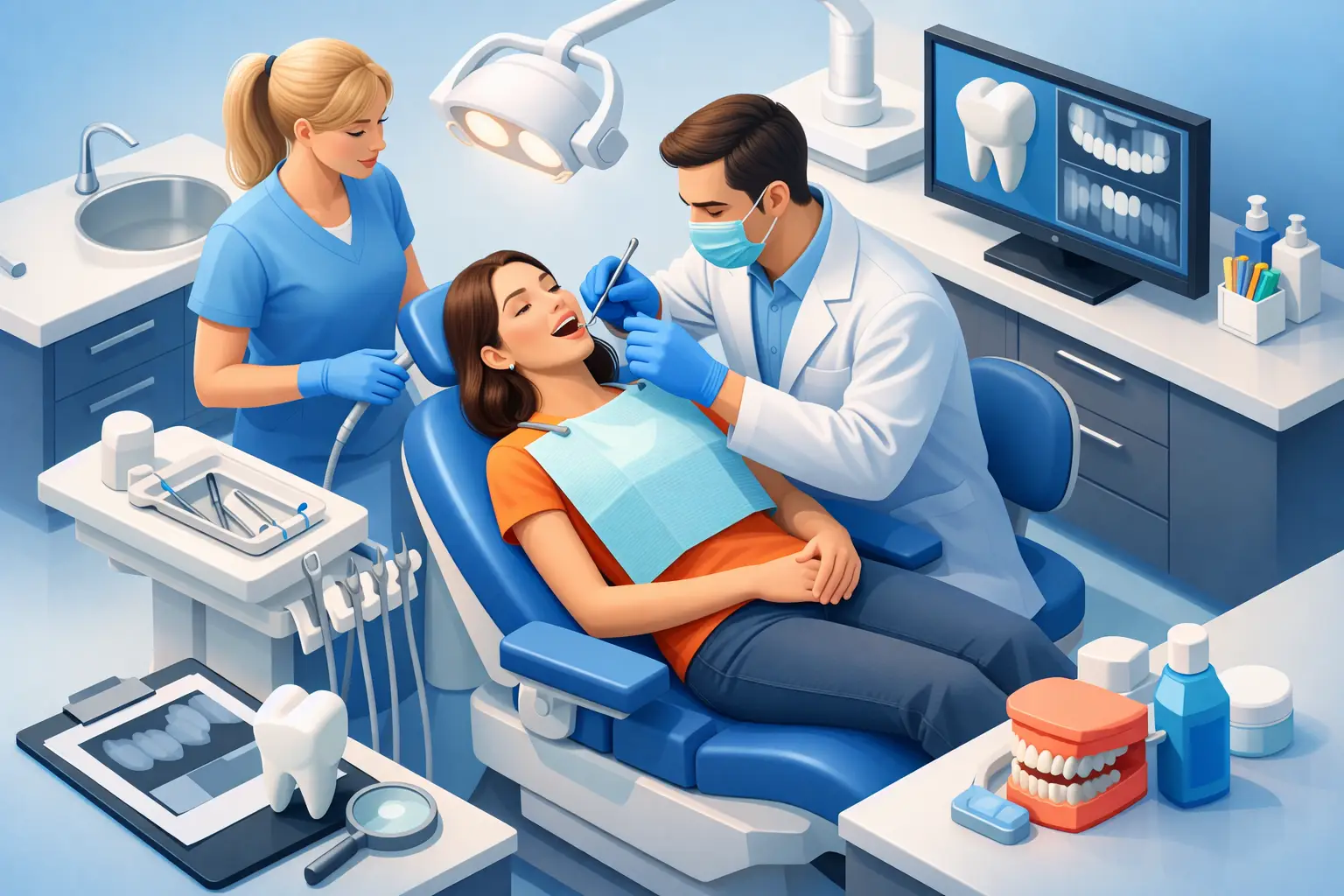
Your dentist will then examine your mouth carefully. This usually includes your teeth, gums, tongue, cheeks, bite and jaw joints. They are looking for signs of decay, cracks, worn enamel, failing fillings, gum disease, infection and changes to the soft tissues of the mouth.
The examination is generally quick and gentle. If an area is sore or you feel worried, let the team know straight away. You can ask for a pause at any point, and your comfort matters throughout the appointment.
Checking teeth and existing dental work
Each tooth is assessed for early decay, chips, cracks and wear. Small changes can be easy to miss at home, particularly between teeth or around older fillings, crowns and bridges. Finding a problem early may mean a simpler and more affordable solution than waiting until a tooth becomes painful.
Your dentist will also check restorations that are already in place. A filling can look fine from the outside but develop a gap at the edge, allowing bacteria to enter underneath. Dentures, implants and bridges also need regular review to make sure they remain comfortable, cleanable and well supported.
Assessing gum health
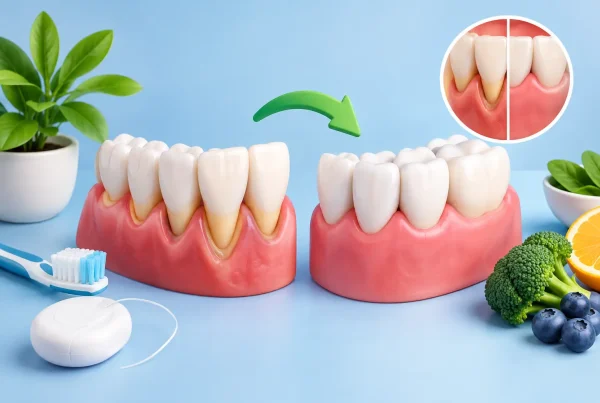
Healthy gums should generally sit snugly around the teeth and not bleed regularly when brushed or flossed. Your dentist may check for redness, swelling, bleeding, gum recession and the depth of the spaces between your teeth and gums.
Bleeding gums are common, but they are not something to ignore. They can be an early sign of gingivitis, which can often improve with professional cleaning and consistent home care. If gum disease has progressed further, your dentist can explain the treatment needed to protect the supporting bone around your teeth.
Looking beyond teeth
A dental check up is also an oral health assessment. Your dentist may examine your tongue, palate, cheeks, lips and throat for unusual sores, lumps, colour changes or areas that have not healed. Most changes are harmless, but checking them is an important part of routine dental care.
Your bite and jaw may be assessed as well. Clenching and grinding can cause headaches, jaw tension, tooth wear and broken restorations. If you have noticed a sore jaw on waking, clicking when you eat or frequent chipped teeth, mentioning it can help guide the examination.
Will you need dental X-rays?
Not every check up requires X-rays. It depends on your dental history, your risk of decay or gum disease, the condition of your teeth, and when images were last taken. Your dentist will recommend X-rays only when they are likely to provide useful information that cannot be seen during an examination.
X-rays can reveal decay between teeth, infection around tooth roots, bone loss linked to gum disease, problems below fillings, wisdom tooth concerns and issues with developing or impacted teeth. Modern dental X-rays use a low dose of radiation, and appropriate protective measures are used.
If you are pregnant or think you may be, tell your dentist before any X-rays are taken. Dental care is still valuable during pregnancy, particularly when there is pain, infection or gum inflammation, but your treatment plan can be tailored to your circumstances.
Is a clean included in a check up?
A scale and clean is often completed at the same appointment, but this can vary. Some people need only a straightforward professional clean, while others require a separate hygiene appointment or more detailed gum treatment. Your dentist will explain what is appropriate before proceeding.
During a clean, plaque and hardened tartar are removed from areas that brushing cannot fully reach. Teeth may then be polished to remove surface staining. The process can feel slightly scratchy or sensitive in places, especially if your gums are inflamed or it has been a while since your previous clean, but it should not be unbearable.
A clean does not replace daily brushing and cleaning between your teeth. It gives you a fresh starting point and helps your dentist show you where plaque is building up. The best method for cleaning between teeth depends on your spacing, gum health and dental work, so personalised advice is more useful than a one-size-fits-all recommendation.
Discussing your treatment options and costs
After the examination, your dentist should explain what they found in clear language. If everything is healthy, you may simply receive advice on maintaining your routine and a suggested time for your next review. If treatment is needed, you should understand why it is recommended, how urgent it is, what choices are available and what each option is likely to cost.
Not every issue needs to be treated immediately. A small area of enamel wear or an early cavity may be monitored, while pain, infection, a broken tooth or active gum disease may need earlier attention. The right timing depends on the clinical risk, your symptoms and your budget.
Good treatment planning considers the bigger picture. For example, replacing a missing tooth with a bridge, denture or implant involves different costs, treatment times and maintenance needs. Cosmetic changes such as whitening or veneers should also be discussed alongside the health and stability of the teeth underneath.
At Riverina Dental Albury, the focus is on gentle care and personalised treatment planning, so you can understand your options and make decisions without feeling rushed. If more extensive treatment is required, discussing stages of care and flexible payment options may help make a plan feel more manageable.
How long does a dental check up take?
A routine check up often takes around 20 to 30 minutes, although the appointment may be longer if X-rays, a clean or a detailed discussion are needed. A first appointment can also take extra time because your dentist needs to understand your dental and medical history.
If you have a specific concern, such as a toothache, broken filling or sore gums, tell the clinic when booking. This helps allow enough time to investigate the issue properly and discuss the next step. Dental pain is not always caused by the tooth that feels sore, so a careful assessment is worthwhile.
How to prepare for your appointment
You do not need to do anything special before a check up, but brushing your teeth as usual can help you feel more comfortable. Bring a list of medicines, relevant health information and details of any dental cover you have. If you use a night guard, retainer, denture or removable appliance, bring it along if you are unsure whether it still fits correctly.
For nervous patients, the most useful preparation is to be honest about how you feel. You can ask the dentist to explain each step before it happens, agree on a signal for taking a break, or start with an examination only. Building confidence gradually is completely reasonable, particularly if you have avoided dental visits because of fear.
How often should you have a check up?
There is no single interval that suits everyone. Some people with healthy teeth and gums may only need a review every six to 12 months, while others need more frequent visits because of gum disease, a high risk of decay, dry mouth, extensive dental work, orthodontic treatment or ongoing health conditions.
Your dentist can recommend a recall schedule based on your individual risk rather than a calendar rule. Regular visits are often less about finding major problems and more about preventing them from becoming disruptive, painful and expensive.
If you have been putting off a visit, start with a check up and a conversation. A calm appointment today can give you clarity, relief and a realistic plan for keeping your teeth comfortable for years to come.