A coffee habit, a love of red wine, years of smoking, or simply the natural changes that come with age can leave teeth looking darker than you would like. The best options for stained teeth depend on what has caused the discolouration, the condition of your enamel, and whether you have existing dental work. A careful assessment helps avoid spending money on treatments that will not give the result you are hoping for.
Why teeth become stained
Not all tooth discolouration is the same. Surface stains, known as extrinsic stains, sit on the outside of teeth. Tea, coffee, red wine, tobacco, richly coloured foods and inadequate cleaning can all contribute. These stains often respond well to professional cleaning and whitening.
Other changes begin within the tooth. Ageing can make enamel thinner, allowing more of the naturally yellow dentine beneath to show through. Some medications, tooth trauma, developmental changes and past root canal treatment can also darken one or more teeth from the inside. Internal staining needs a different approach and may not improve with standard whitening products.
This distinction matters. Whitening can be very effective for healthy teeth with yellowing or surface stains, but it will not change the colour of fillings, crowns, veneers or dentures. It is also not the right first step if a tooth is dark because of decay, a crack, infection or previous trauma.
Best options for stained teeth, matched to the cause
Professional scale and clean
For stains caused mainly by plaque, tartar and everyday food or drink, a professional clean is often the most sensible place to start. Your dentist or hygienist removes hardened deposits and polishes away surface staining that brushing alone cannot shift.
A clean does not bleach the natural tooth colour. Instead, it restores a fresher version of your existing shade. Many people are surprised by how much brighter their smile looks after this straightforward preventive appointment, particularly if it has been a while since their last visit.
It also gives your dental team the opportunity to check for gum inflammation, early decay, worn enamel and other issues that may affect your whitening choices.
Dentist-supervised teeth whitening
If your teeth are healthy but naturally yellow or noticeably stained, professional whitening is usually the most predictable cosmetic option. Dentist-supervised treatment uses whitening gel to lighten the natural tooth structure, rather than simply polishing the surface.
Take-home whitening trays are a popular choice because they allow gradual whitening at home using trays made to fit your teeth. A custom fit keeps the gel where it is needed and helps reduce contact with the gums. The process can be adjusted around your schedule, and the shade develops over a number of days or weeks.
Some people experience temporary sensitivity during whitening. This is usually manageable with a tailored plan, less frequent applications or products recommended by your dentist. If you already have sensitive teeth, exposed roots, gum recession or cracked enamel, mention this before starting. Gentle treatment should not mean ignoring discomfort.
Professional whitening is especially useful before cosmetic bonding, veneers or replacing visible fillings. Once your natural teeth reach a shade you are happy with, new restorations can be selected to match.
Over-the-counter whitening products
Whitening toothpastes, strips and kits from pharmacies can help some people, particularly with mild surface staining. They are generally less expensive upfront and may be convenient if you want a modest change.
The trade-off is that results can be variable. Whitening toothpaste is primarily designed to lift surface stains and can be abrasive if used too aggressively. Strips and generic trays may not fit evenly, which can lead to patchy whitening or gel irritation on the gums. Stronger products may also trigger sensitivity without providing the guidance needed to manage it.
For a healthy smile with mild staining, these products may be reasonable as part of a maintenance routine. For deeper staining, sensitive teeth or a significant colour change, a dental assessment is the safer and more cost-effective starting point.
Composite bonding or composite veneers
When the concern is not only colour, whitening alone may not be enough. Small chips, uneven edges, gaps, worn areas and naturally irregular tooth shape can draw attention even after the teeth are lightened. Composite bonding or composite veneers use tooth-coloured resin to improve the visible surface of a tooth.
This can be a conservative option for one or several front teeth. The material is colour-matched, shaped directly on the tooth and polished to blend with your smile. It may be particularly helpful when a single tooth has a different colour or appearance from the teeth around it.
Composite can stain over time, especially with frequent coffee, tea or tobacco use, so it requires good cleaning and occasional maintenance. It is also worth remembering that once a composite shade is chosen, later whitening will not lighten the resin. Planning the order of treatment is important.
Porcelain veneers or crowns
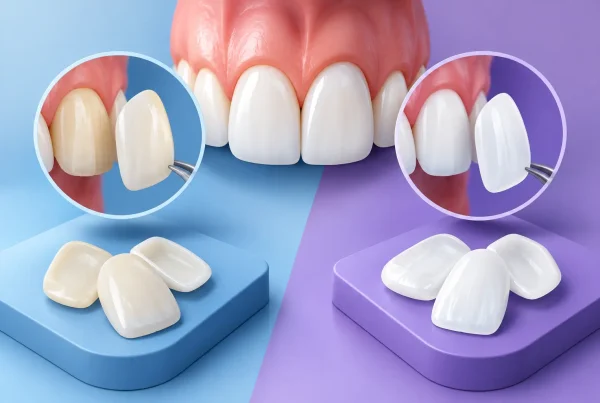
Porcelain restorations may be considered where staining is severe or where teeth are also heavily worn, cracked, extensively filled or structurally weakened. Veneers cover the front surface of selected teeth, while crowns cover the whole tooth and are generally used where more support is needed.
These options can provide a durable, highly controlled change in colour and shape, but they are not a shortcut for otherwise healthy teeth with simple surface stains. They involve a greater investment and, depending on the treatment, some alteration of tooth structure. A personalised discussion should cover the longevity, maintenance, cost and alternatives before you decide.
Treating one dark tooth
A single dark tooth deserves particular attention. It may be old trauma from a sporting injury, a tooth that has had root canal treatment, or a sign that the nerve inside the tooth has been affected. Whitening trays can sometimes improve it, but they may not be enough.
Depending on the cause, treatment could involve internal whitening after root canal treatment, composite bonding, a veneer or a crown. The first priority is finding out whether the tooth is healthy and stable. Cosmetic treatment should follow the diagnosis, not replace it.
What to avoid when trying to whiten teeth
Home remedies can sound appealing, but several can do more harm than good. Scrubbing with baking soda, charcoal powders or highly abrasive pastes may wear away enamel over time. Lemon juice, vinegar and other acidic methods can soften enamel, making teeth more vulnerable to sensitivity and staining.
Avoid using whitening products on teeth with untreated decay, sore gums, broken fillings or persistent sensitivity. Whitening does not treat the underlying problem, and the gel can worsen discomfort if it reaches exposed areas. If your gums bleed when brushing or flossing, arrange a check-up before pursuing cosmetic treatment.
Keeping your brighter smile looking good
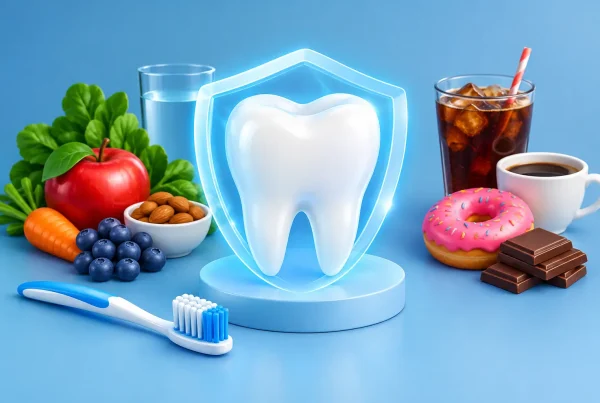
After treatment, regular brushing with fluoride toothpaste, daily cleaning between the teeth and routine dental visits make the biggest difference. Rinsing with water after coffee, tea or red wine can reduce how long pigments sit on the enamel. If you smoke or vape, reducing or stopping can benefit both the colour of your teeth and the health of your gums.
You do not need to give up every favourite food or drink. Small habits are usually more sustainable than strict rules. Use a straw for cold drinks that stain, avoid brushing immediately after acidic drinks, and ask your dental team whether a whitening top-up is appropriate for you.
At Riverina Dental Albury, treatment planning starts with listening to what you would like to change and checking what your teeth need to stay healthy. Whether a professional clean is enough or you are considering whitening, bonding or more extensive cosmetic care, a calm conversation can help you choose an option that feels right for your smile and your budget.