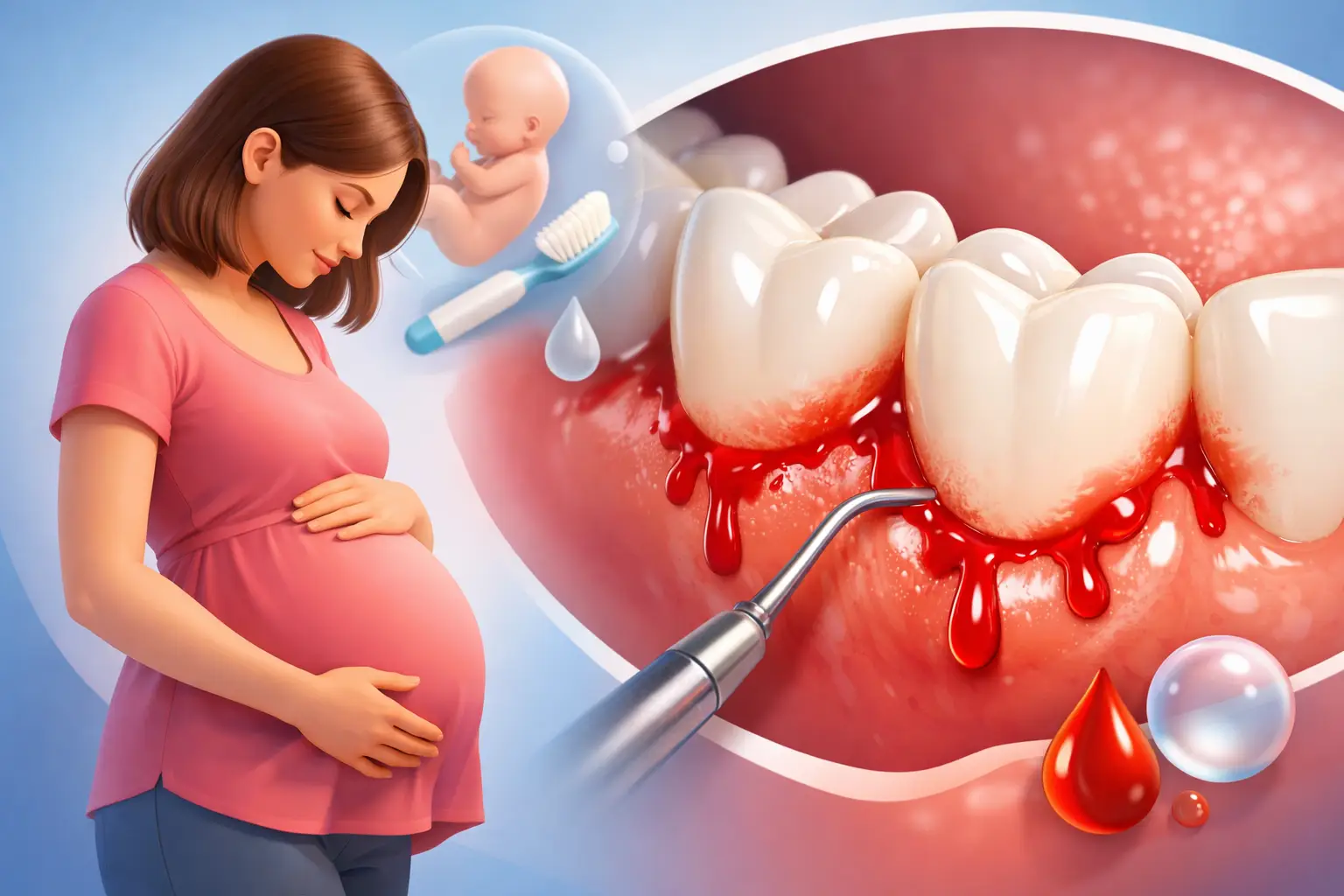

A bit of blood in the sink can be unsettling when you are pregnant, especially if your brushing routine has not changed. Bleeding gums during pregnancy are very common, but that does not mean they should be brushed off. In many cases, they are a sign that hormonal changes are making your gums more sensitive to plaque and irritation.
Pregnancy brings enough changes without adding sore, swollen gums to the list. The good news is that this is usually manageable with the right home care and timely dental support. The key is knowing what is normal, what is not, and when to get help before a mild problem turns into something more uncomfortable.
Why bleeding gums during pregnancy happen
During pregnancy, rising hormone levels can increase blood flow to the gums and change the way gum tissue reacts to plaque. That means even a small build-up along the gumline can trigger more inflammation than usual. Gums may look redder, feel tender, and bleed when brushing or flossing.
This is often called pregnancy gingivitis. It commonly shows up in the second trimester, although some women notice changes earlier. It is not necessarily a sign of poor oral hygiene. Even patients who usually look after their teeth well can find their gums become more reactive during pregnancy.
Morning sickness can also play a part. If brushing triggers nausea, it is understandable to avoid certain areas or rush the job. Frequent vomiting can leave the mouth feeling unpleasant and make it harder to keep up with normal cleaning. Add tiredness, changes in appetite, and cravings for sugary snacks, and the mouth has more to deal with than usual.
What is normal and what needs attention
A small amount of bleeding when brushing or flossing can be common in pregnancy, particularly if the gums are puffy or tender. Mild bleeding that improves with better plaque control is usually not an emergency. Still, it is worth addressing early.
What deserves closer attention is bleeding that is frequent, heavy, painful, or paired with obvious swelling, bad breath, gum recession, or loose teeth. Those signs can point to more than simple gum sensitivity. If you have a painful lump on the gums, you may also be dealing with a pregnancy tumour, which sounds alarming but is usually a benign overgrowth of tissue caused by irritation and hormones. It can still need assessment if it interferes with eating, brushing, or comfort.
It also matters if your symptoms are making you avoid cleaning your teeth. Once plaque sits undisturbed, inflammation tends to worsen. That creates a cycle where the gums bleed because they are inflamed, then get more inflamed because they are not being cleaned properly.
Can bleeding gums affect the rest of your health?
Most cases of pregnancy gingivitis stay local to the gums, but that does not mean oral health is separate from the rest of the body. Inflamed gums can become more uncomfortable over time, and untreated gum disease may progress beyond the surface tissues.
There has been ongoing research into links between gum disease and pregnancy complications. The evidence is complex, and it is not as simple as saying bleeding gums directly cause problems elsewhere. Still, keeping gum inflammation under control is a sensible part of looking after your overall health during pregnancy. It is one more reason not to put dental care in the too-hard basket.
How to care for your gums at home
The aim is not to scrub harder. In fact, aggressive brushing can make sore gums feel worse. A soft-bristled toothbrush, a gentle technique, and consistent cleaning matter more than force.
Brush twice a day with fluoride toothpaste, paying special attention to the gumline. If flossing has become uncomfortable, do not stop altogether. Gentle daily cleaning between the teeth helps remove the plaque that often triggers the bleeding in the first place. Sometimes the gums bleed more for the first few days when you restart flossing, then improve as the inflammation settles.
If nausea is an issue, try brushing at a time of day when your stomach is calmer, and use a small-headed toothbrush if that helps with the gag reflex. After vomiting, rinse with water first rather than brushing straight away. The acid can soften enamel temporarily, so giving your mouth a little time before brushing is kinder to your teeth.
It can also help to watch how often sugary foods and drinks are passing through your day. Pregnancy cravings are real, and perfection is not the goal. But frequent snacking, especially on sweet or sticky foods, can feed plaque and increase the risk of both decay and gum irritation.
Is it safe to see a dentist while pregnant?
Yes. Routine dental care is generally safe during pregnancy, and delaying care can sometimes make a simple issue harder to treat. A check-up and professional clean can be especially helpful if your gums are bleeding regularly or your mouth feels different from normal.
The second trimester is often the most comfortable time for dental treatment, but care can still be provided at other stages when needed. If you are pregnant, let the clinic know when booking and mention how far along you are. That allows the team to tailor your care, position you comfortably in the chair, and plan treatment appropriately.
Many pregnant patients worry that they should avoid the dentist unless something is badly wrong. In reality, preventive care is often the smarter option. Removing plaque and tartar, checking for signs of gum disease, and getting advice that fits your symptoms can make the rest of pregnancy much more comfortable.
What a dentist may recommend
If bleeding gums during pregnancy are linked to gingivitis, treatment usually starts conservatively. A professional clean may be recommended to reduce plaque and tartar, followed by advice on brushing and flossing techniques that are effective without being harsh.
If there are signs of more advanced gum disease, the approach may need to go further. That depends on the severity, how much plaque and calculus are present, and whether there are deeper pockets around the teeth. The goal is always to reduce inflammation, protect the supporting structures of the teeth, and keep treatment as gentle and practical as possible.
A dentist may also check for other issues that can be masked by the assumption that everything is pregnancy-related. Not every sore or bleeding gum problem is caused by hormones. Sometimes there is local irritation from a filling edge, an impacted food trap, or an infection that needs more direct attention.
When to book sooner rather than later
It is worth arranging an appointment if your gums bleed most days, if brushing has become painful, or if you have swelling that is not settling. You should also seek care sooner if you notice pus, a bad taste in the mouth, persistent bad breath, a lump on the gums, or a tooth that feels loose.
If you already had gum disease before pregnancy, extra monitoring can be a good idea. Pregnancy can amplify existing inflammation, so what was once mild can become more noticeable quite quickly.
For patients in the Albury-Wodonga region, seeing a local clinic that offers pregnancy-related dental care can make things simpler. Gentle treatment, clear explanations, and a plan that fits your stage of pregnancy can take a lot of stress out of the process.
A few common worries, answered clearly
One concern we hear often is whether bleeding means you should avoid flossing. Usually, no. If the bleeding is due to inflammation from plaque, careful flossing is part of what helps it improve.
Another common question is whether the problem will disappear after birth. Sometimes it does settle as hormone levels change, but relying on that alone is risky. If plaque and tartar are still present, the gums may stay inflamed or worsen.
Patients also ask whether every pregnant woman gets bleeding gums. Not at all. Some notice no changes, while others develop significant tenderness despite good habits. Hormones, existing gum health, brushing technique, diet, and morning sickness can all influence what happens.
If your gums are bleeding during pregnancy, try not to panic and try not to ignore it either. Most of the time, it is manageable with early attention, gentle home care, and the right dental support. A healthy pregnancy includes looking after your mouth as well, and small steps now can make you far more comfortable in the months ahead.