
If your gums bleed when you brush, feel tender, or look a bit puffier than usual, that is often the first sign something is not quite right. Gingivitis treatment at home can make a real difference in the early stages, but the key is doing the right things consistently before mild irritation turns into a bigger problem.
Gingivitis is inflammation of the gums caused by plaque building up around the gumline. Plaque is a sticky film of bacteria that forms on teeth every day. If it is not removed properly, it irritates the gums and can lead to redness, bleeding and bad breath. The good news is that early gingivitis is usually reversible with better home care and timely dental support.
What gingivitis looks and feels like
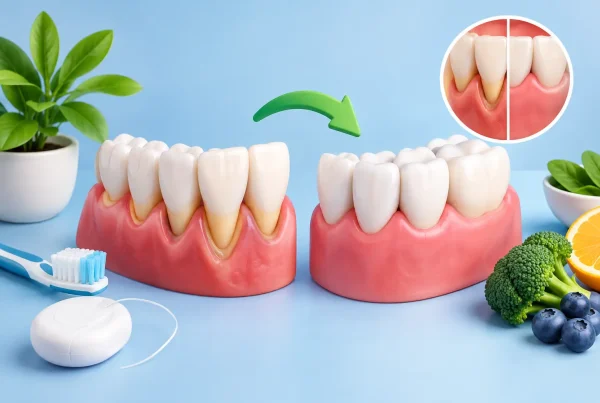
Healthy gums are generally firm, pale pink and do not bleed during brushing or flossing. With gingivitis, gums often become redder, softer and more sensitive. You might notice bleeding when brushing, flossing or eating crunchy foods. Some people also notice a bad taste in the mouth or ongoing bad breath, even after cleaning their teeth.
Not every sore gum is gingivitis. A sharp edge on a filling, a trapped food particle, mouth ulcers, hormonal changes and even brushing too hard can all irritate the gums. That is why symptoms matter, but the pattern matters too. If several areas bleed repeatedly around the gumline, plaque-related inflammation is a likely cause.
Gingivitis treatment at home that actually helps
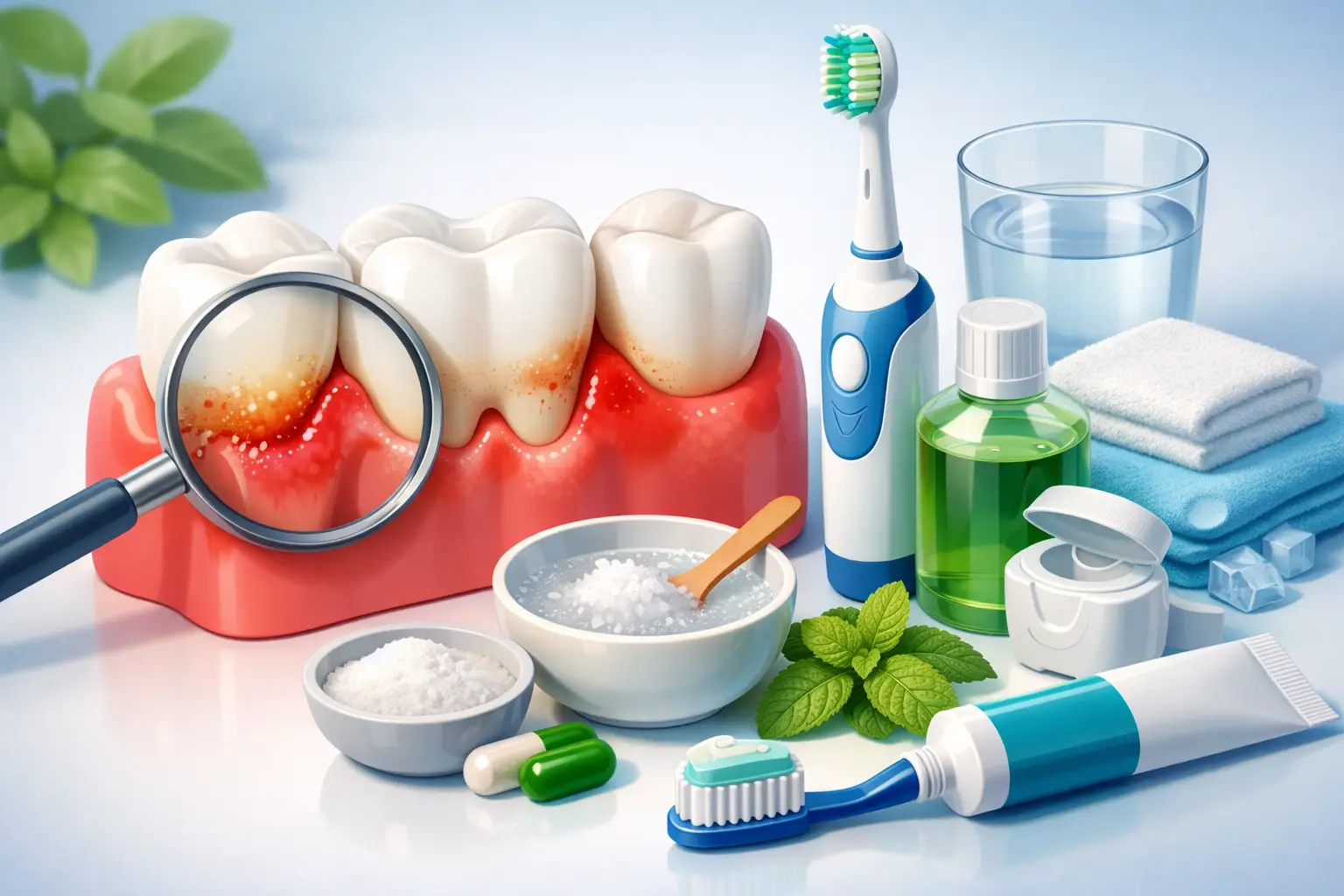
The most effective home treatment is not a special gadget or a miracle rinse. It is thorough plaque removal, done gently and every day. That sounds simple, but technique matters more than many people realise.
Brush well, not hard
Brush twice a day for two minutes using a soft-bristled toothbrush. Angle the bristles towards the gumline and use small, gentle motions. Scrubbing harder does not clean better. In fact, it can irritate already inflamed gums and make bleeding seem worse.
An electric toothbrush can help if your brushing is rushed or uneven, but a manual brush can work perfectly well with the right technique. The best option is the one you will use properly every day.
Use a fluoride toothpaste and make sure you reach the areas where the tooth meets the gum. That is where plaque tends to sit and where gingivitis begins.
Clean between the teeth every day
Brushing only cleans part of the tooth surface. The spaces between teeth are where plaque often lingers, especially if your teeth are close together or slightly crowded. Daily flossing or use of interdental brushes is one of the most important parts of improving gingivitis at home.
If flossing has always been awkward, interdental brushes may be easier. They work particularly well if you have a little more space between teeth, gum recession, bridges or orthodontic appliances. If the wrong size is used, though, they can be uncomfortable, so it may take some trial and error.
A little bleeding at first is common when gums are inflamed. That does not usually mean you should stop. In many cases, the bleeding settles as the gums become healthier over several days to a couple of weeks.
Consider a short-term antibacterial mouth rinse
A mouth rinse can support your routine, but it should not replace brushing and cleaning between the teeth. Antibacterial rinses may help reduce bacteria and calm inflamed gums in the short term. Warm salt water can also soothe irritation, although it is not a substitute for proper plaque removal.
If you use a medicated mouthwash, follow the instructions carefully. Some are best used for a limited period rather than indefinitely. It depends on the product and your oral health needs.
Look at the habits that may be making it worse
Smoking and vaping can aggravate gum disease and slow healing. Dry mouth can also contribute because saliva helps protect the mouth and wash away debris. Some medicines, stress, dehydration and mouth breathing can all play a part.
Diet matters as well, though not in the way social media often suggests. Gingivitis is not fixed by cutting out one food. What helps is reducing frequent sugary snacks and drinks, drinking enough water, and maintaining a balanced diet that supports healing.
What to avoid when treating gingivitis at home
When gums are sore or bleeding, it is tempting to throw every home remedy at the problem. That often leads to more irritation, not less.
Avoid brushing aggressively, using very hard bristles, or applying abrasive powders and harsh whitening products to inflamed gums. These can worsen sensitivity and do little to remove plaque where it matters.
Be cautious with internet remedies that promise fast results. Essential oils, hydrogen peroxide mixes and homemade pastes are often shared as cure-alls, but strong or poorly diluted products can irritate soft tissues. If something stings, burns or leaves your gums feeling raw, stop using it.
It is also worth avoiding the assumption that bleeding gums are normal. They are common, but they are not something to ignore.
How long does it take to improve?
If gingivitis is mild and you improve your cleaning routine straight away, many people notice less bleeding and tenderness within one to two weeks. The gums can look healthier quite quickly once plaque is being removed effectively.
That said, improvement depends on the cause and how long the inflammation has been there. If there is hardened plaque, called calculus or tartar, stuck around the gumline, home care alone may not be enough. Once plaque hardens, it cannot be brushed away at home and usually needs a professional clean.
When home care is not enough
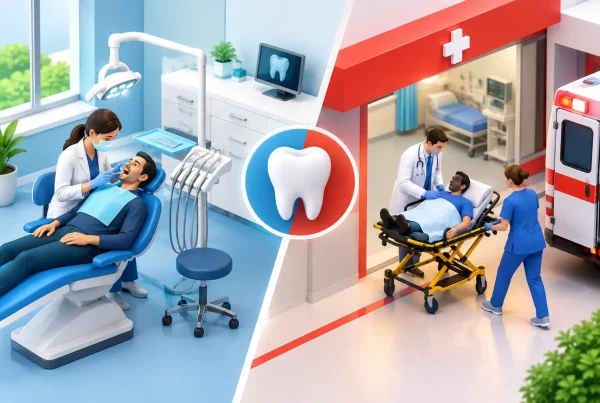
There is a point where home treatment stops being the full answer and becomes only part of the plan. If your gums keep bleeding despite better brushing and flossing, or if you have swelling, pain, pus, loose teeth or gum recession, it is time to book a dental check-up.
The same applies if your breath stays unpleasant even with good home care, or if your gums seem to be pulling away from the teeth. These signs can suggest more than simple gingivitis. Gum disease can progress into periodontitis, which affects the structures supporting the teeth and is not something to manage on your own.
A dental visit is also helpful when you are doing your best but not seeing results. Sometimes the issue is not effort but technique, tartar build-up, a rough filling edge, crowded teeth, or another factor that keeps trapping plaque.
What a dentist may recommend alongside home care
Professional treatment for gingivitis is usually straightforward, especially when caught early. A scale and clean removes plaque and tartar from the teeth and around the gumline, giving the gums a better chance to heal. You may also be shown how to brush and clean between your teeth more effectively for your specific mouth, because not every technique suits every patient.
For some people, the right plan also includes reviewing smoking habits, dry mouth, hormonal changes, or medical conditions that affect gum health. That personal approach matters. Gum inflammation often looks simple on the surface, but the reasons it persists can vary from one person to the next.
At a local clinic such as Riverina Dental Albury, the focus is usually on gentle care, clear advice and practical next steps you can keep up at home. That is especially important if you are anxious about dental treatment or have been putting it off.
A simple routine you can stick to
If you suspect early gingivitis, keep the plan realistic. Brush twice daily with a soft brush and fluoride toothpaste. Clean between the teeth once a day with floss or interdental brushes. Use a mouth rinse only if it suits your needs, and not as a substitute for cleaning. Pay attention to whether bleeding is improving over the next one to two weeks.
Small changes done every day will help far more than a burst of effort followed by old habits. Gums tend to respond well to consistency.
The reassuring part is that gingivitis is one of the few dental problems that can often be turned around early. If your gums are sending you warning signs, listen to them now rather than waiting for discomfort to become harder and more expensive to treat later.