
That sudden zing when you sip something cold, the dry mouth that started after a new medication, or the feeling that your teeth are getting a bit harder to manage with age – these are often the moments when fluoride treatment for adults starts to make sense. Many people think fluoride is mainly for kids, but in everyday dental care for adults, it can play a very useful preventive role.
At its core, fluoride helps strengthen enamel and makes teeth more resistant to acid attacks from plaque, food and drinks. It can also slow down the early stages of tooth decay and, in some cases, help reverse very early damage before it turns into a cavity that needs a filling. That does not mean every adult needs it at every check-up, but it does mean fluoride deserves a closer look than it usually gets.
What fluoride treatment for adults actually does
Your enamel is strong, but it is not indestructible. Every day, acids in the mouth pull minerals out of the tooth surface. Saliva helps put some of those minerals back, and fluoride gives that repair process a boost. When a professional fluoride treatment is applied, it increases the tooth’s resistance to future decay and can reduce sensitivity in exposed areas.
This matters more as adults get older. Gums can recede, exposing root surfaces that are softer than enamel and more likely to decay. Old fillings can develop worn edges. Medical conditions and medicines can reduce saliva. Lifestyle habits such as frequent coffee, sports drinks, snacking, smoking or alcohol use can all add pressure. Adult teeth have often had decades of wear, so prevention becomes less about a one-size-fits-all routine and more about protecting what is already there.
Who benefits most from fluoride treatment?
Some adults are clearly stronger candidates than others. If you have had recent decay, early signs of demineralisation, gum recession or tooth sensitivity, fluoride may be recommended as part of your routine care. It can also be helpful if you wear braces or aligners, have crowns or bridges, or struggle with dry mouth.
People with ongoing medical issues often benefit too. Conditions that affect saliva flow, reflux, eating patterns or general oral hygiene can increase the risk of decay. Pregnancy can also bring changes in oral health habits, snacking frequency and gum health, which may make preventive support more useful. For some patients, a fluoride treatment is a small step that helps avoid a much bigger problem later.
That said, it depends on your risk level. If your teeth are healthy, your home care is consistent and your decay risk is low, fluoride at home in toothpaste may be enough between routine dental visits. Professional treatment is not automatically necessary for every adult, every time.
How professional fluoride treatment is applied
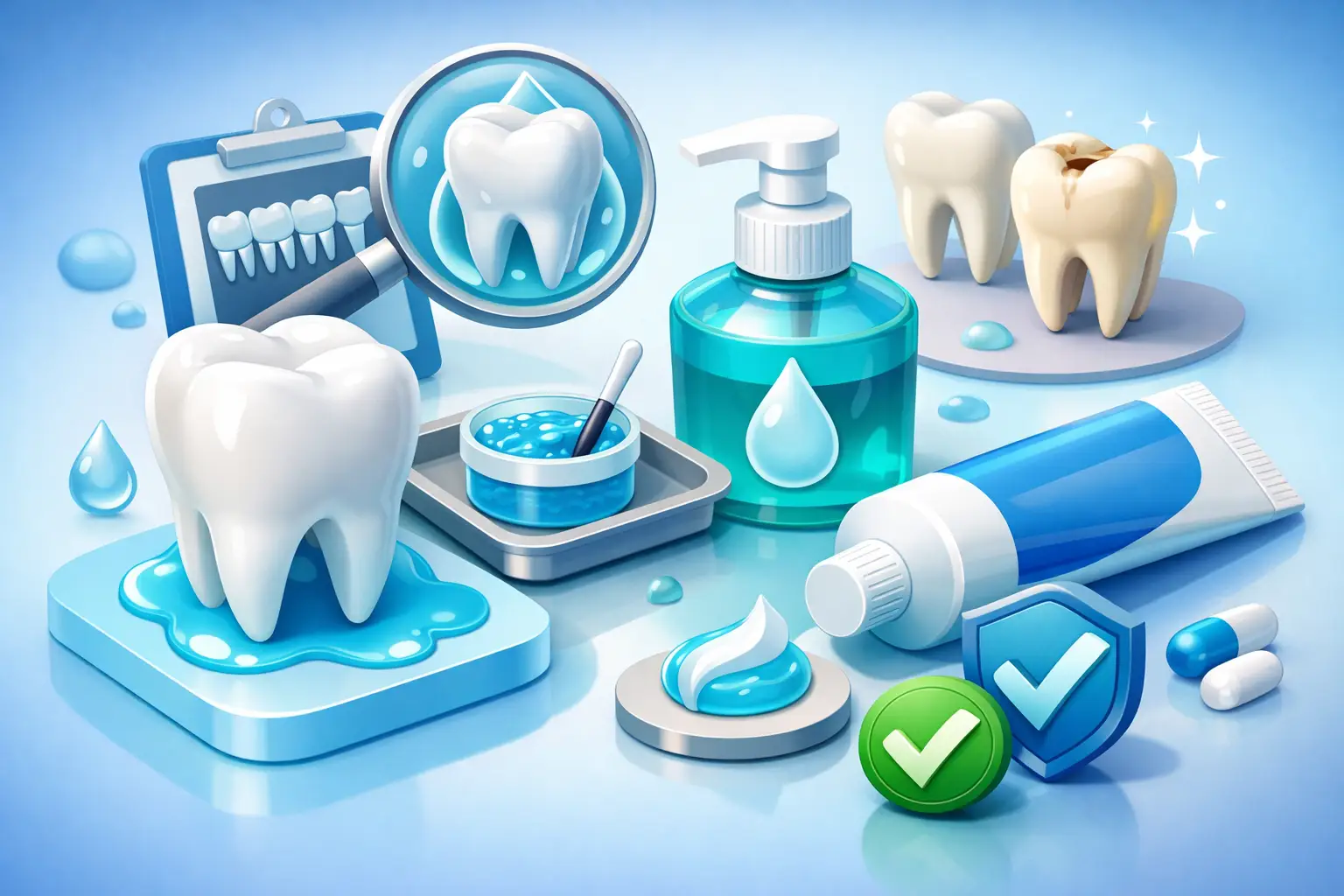
In a dental clinic, fluoride is usually applied as a varnish, gel or foam, although varnish is common because it is quick and easy to tolerate. The teeth are dried, the fluoride is painted or placed onto the tooth surfaces, and you are given simple aftercare advice. The appointment itself only takes a few minutes when done as part of a check-up or clean.
Most people find it straightforward. There is no drilling, no needles and no recovery time in the usual sense. You may be asked to avoid very hot drinks, hard foods or brushing for a short period, depending on the product used. The exact instructions can vary, which is why it is worth following the advice you are given on the day.
Is fluoride treatment for adults worth the cost?
This is one of the most practical questions, and it is a fair one. In many cases, yes – especially if you are at moderate or high risk of decay. A preventive treatment is usually far less costly than dealing with a filling, root canal, crown or tooth loss later on. It can also save time, discomfort and the disruption of needing more complex care.
Still, value is not the same as saying everyone should have it routinely. If your risk is low, paying for a treatment you do not particularly need may not offer much benefit. A good dentist should explain why they are recommending fluoride for you specifically, rather than suggesting it as a blanket add-on. Preventive care works best when it is personalised.
For cost-conscious households, that tailored approach matters. Budget-friendly dentistry is not about choosing the cheapest option every time. It is about spending where it makes a real difference and avoiding unnecessary treatment where it does not.
Fluoride for sensitivity and early decay
One of the most noticeable benefits for adults is help with sensitivity. If cold drinks, brushing or sweet foods trigger discomfort, fluoride can help by strengthening weak areas and reducing the response of exposed tooth surfaces. It may not solve every case of sensitivity, because cracks, grinding, gum disease and worn enamel can all be involved, but it is often part of a sensible first step.
Fluoride is also useful for early decay. Once a cavity has formed, fluoride cannot close a hole in the tooth. But if the damage is still at the white-spot or early mineral-loss stage, fluoride may help arrest or reverse it. That window is one reason regular dental check-ups matter. Spotting a problem early gives you more conservative options.
Are there any risks or downsides?
For adults, professional fluoride treatment is generally very safe when used appropriately. The main downside is usually that it may offer limited benefit if your decay risk is already low. Some people do not enjoy the taste or texture of certain products, though modern varnishes are usually quite manageable.
The bigger issue is not so much risk as misunderstanding. Fluoride is not a substitute for daily brushing, cleaning between the teeth, diet awareness and regular dental visits. It supports those habits. It does not cancel out regular soft drink use, missed cleans or long gaps between appointments.
There are also cases where the underlying issue needs more than fluoride alone. If dry mouth is severe, if there is untreated gum disease, or if a tooth already has significant structural damage, a broader treatment plan may be needed.
What to expect at your appointment
If you ask about fluoride, your dentist should assess your risk rather than simply saying yes or no. They may look at your past history of decay, existing dental work, gum recession, signs of enamel wear, medications, diet, saliva flow and any sensitivity you have noticed. From there, they can tell you whether fluoride is likely to be helpful and how often you might need it.
This conversation should feel clear and practical. You should understand what benefit is expected, what it will cost and whether there are other steps that matter just as much. At Riverina Dental Albury, that kind of personalised advice is part of making preventive care more useful and less overwhelming.
How to get better results between visits
Professional fluoride works best when it fits into a bigger routine. Using a fluoride toothpaste twice a day, spitting rather than rinsing straight away, staying on top of cleans, and cutting back on frequent sugary or acidic snacks can all help. If dry mouth is part of the issue, managing that properly is just as important as any in-chair treatment.
Small habits often make the biggest difference over time. A person who has fluoride treatment but sips soft drink all afternoon may still struggle. Someone else who improves their home care, changes a few habits and has fluoride at the right intervals may avoid years of repeat dental work.
When adults should ask their dentist about fluoride
If you have not thought about fluoride since primary school, that is understandable. But if your teeth are becoming more sensitive, your mouth feels dry, you have had a few fillings lately, or your dentist has mentioned early wear or decay, it is worth raising the question. The goal is not to add more treatment for the sake of it. The goal is to protect your teeth before small issues become expensive or painful ones.
Adult dental care often comes down to timing. A simple preventive step taken early can be far easier than fixing damage later. If fluoride treatment fits your needs, it can be one of the easiest ways to give your teeth a bit more protection for the years ahead.
A good dental plan should feel sensible, not salesy. If fluoride treatment is recommended, you deserve to know exactly why it suits your mouth, your risk level and your budget.