
A tooth can feel perfectly fine while early decay is beginning beneath the surface. That is why the question, can cavities heal naturally, needs a careful answer. Very early enamel damage can sometimes be strengthened through remineralisation. But once decay has created a true hole in the tooth, it cannot grow back on its own and needs professional treatment.
Knowing the difference can help you act early, avoid unnecessary worry, and make sensible choices for your teeth and budget.
Can cavities heal naturally in the early stages?
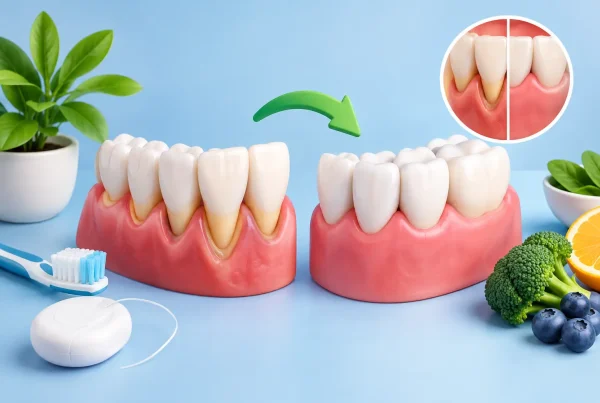
A cavity develops when bacteria in plaque use sugars from food and drinks to produce acids. These acids draw minerals, particularly calcium and phosphate, out of tooth enamel. At first, this may appear as a chalky white spot rather than a dark hole or an area of pain.
At this early stage, the enamel has weakened but may not have broken down. Saliva can return minerals to the tooth surface, and fluoride helps the enamel resist future acid attacks. This repair process is called remineralisation.
So, an early area of enamel demineralisation may improve with the right conditions. However, this does not mean a developed cavity will simply disappear after changing your toothpaste or cutting out sugar for a week. The earlier the problem is identified, the better the chance of managing it without a filling.
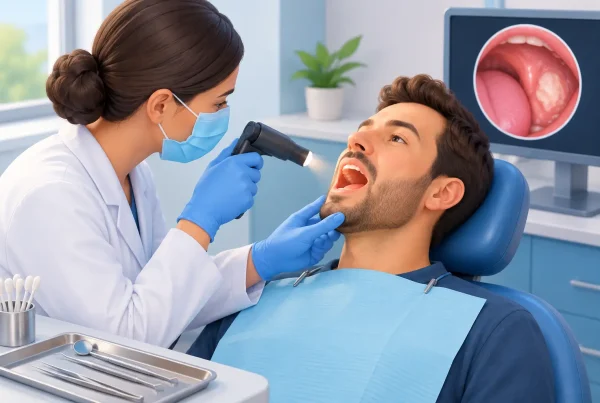
A dentist can assess whether a mark is an inactive early lesion, staining, worn enamel, or active tooth decay. This matters because the best next step is not always obvious when you look in the mirror.
When a cavity will not heal by itself
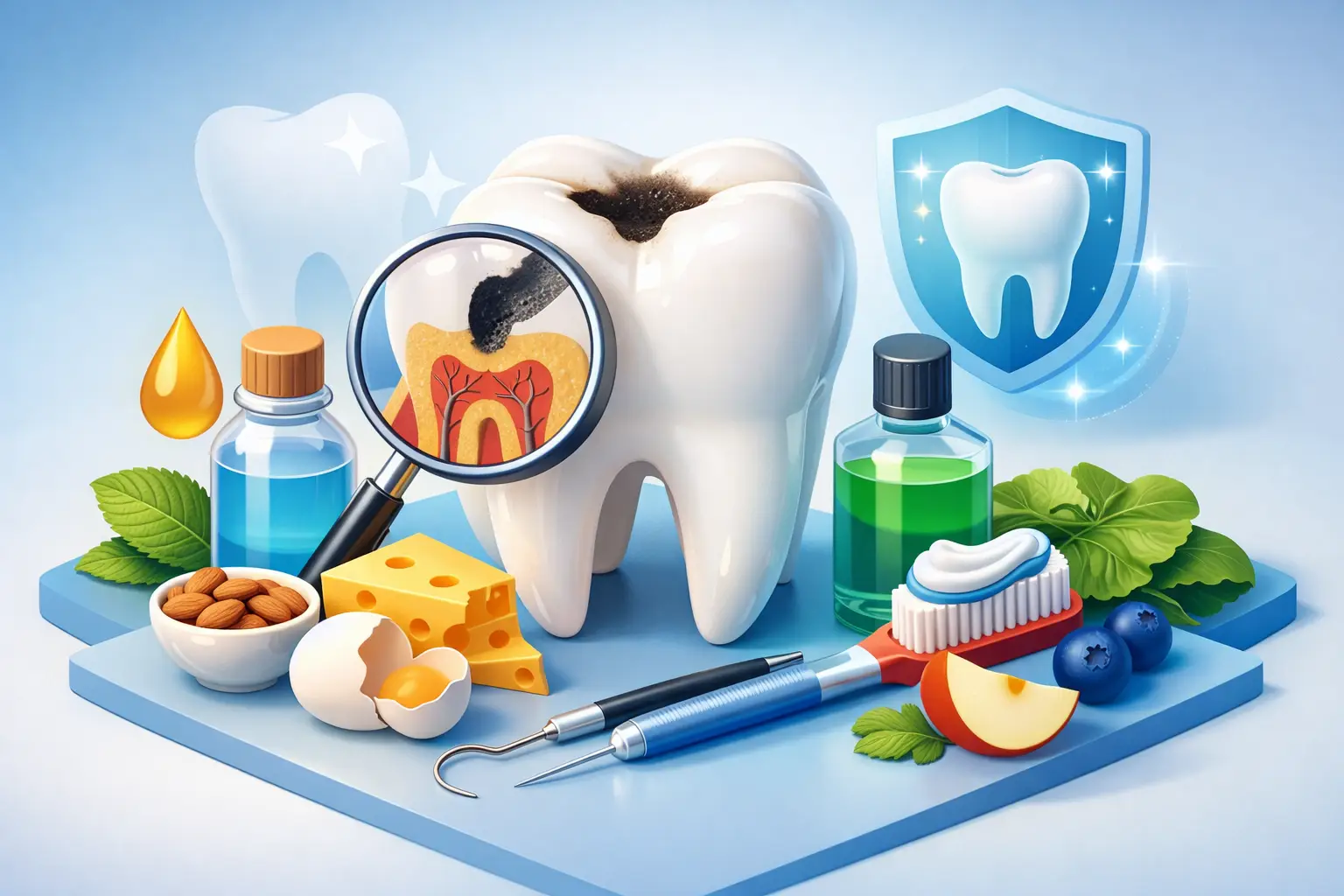
Once bacteria have broken through the enamel and formed a physical hole, natural repair is no longer enough. Enamel does not contain living cells that can rebuild lost tooth structure in the way skin heals after a cut.
Decay can then move into dentine, the softer layer beneath enamel. Because dentine is less mineralised, decay may spread more quickly. You might notice sensitivity to cold drinks, sweet foods, biting pressure, or a persistent food trap. Some cavities remain painless until they are already close to the tooth nerve.
If decay reaches the pulp, where the nerve and blood supply sit, treatment can become more involved. Depending on the tooth, this may mean root canal treatment, a crown, or removal of the tooth if it cannot be saved. Treating a cavity while it is small is generally simpler, more comfortable, and more affordable than waiting for pain.
What helps remineralise early enamel damage?
The goal is to reduce repeated acid attacks and give saliva and fluoride the chance to protect the enamel. For many people, small daily changes make a meaningful difference.
Brush twice a day for two minutes with fluoridated toothpaste. After brushing, spit out the excess toothpaste but avoid rinsing straight away. This leaves a light fluoride layer on the teeth for longer. A dentist may recommend a higher-fluoride toothpaste or in-clinic fluoride treatment for people at greater risk of decay.
Cleaning between teeth is just as valuable. A toothbrush cannot effectively clean the tight spaces where adjacent teeth touch, which is a common place for cavities to begin. Floss, interdental brushes, or another suitable interdental cleaner can help remove plaque in these areas.
Food and drink frequency matters as much as the amount of sugar consumed. Every sweet snack, soft drink, juice, sports drink, cordial, or frequent sugary coffee can expose teeth to another acid attack. Try to keep sugary foods and drinks to mealtimes where possible, and choose water between meals. Albury-Wodonga tap water is fluoridated, making it a tooth-friendly everyday choice.
Dry mouth also raises decay risk because saliva is one of your teeth’s main defences. Some medications, medical conditions, mouth breathing, dehydration, smoking, and alcohol can reduce saliva flow. If your mouth often feels dry or sticky, mention it at your dental appointment. There may be practical ways to reduce the risk.
Natural remedies: what to be cautious about
It is understandable to look for a gentle, natural option before booking a dental visit. Some habits promoted online can be harmless, but others may delay needed care or damage enamel further.
Oil pulling may leave the mouth feeling fresher for some people, but it has not been shown to reverse a cavity. Coconut oil is not a substitute for fluoride toothpaste, brushing, interdental cleaning, or treatment for established decay.
Charcoal powders, abrasive homemade pastes, and brushing with bicarbonate of soda can wear away enamel if used regularly or too vigorously. Once enamel is worn, it does not regrow. Acidic drinks marketed as natural, including lemon water and kombucha, can also contribute to enamel erosion when sipped frequently.
Calcium-rich foods, a balanced diet, water, and good oral hygiene all support oral health. They are worthwhile, but they cannot fill a hole in a tooth. A filling restores the lost structure, seals out bacteria, and helps the tooth cope with normal chewing forces.
Why a dental check matters even without pain
Cavities are not always visible or painful. Decay between teeth, around an old filling, or on the chewing surface can be difficult to spot without a clinical examination and, where appropriate, dental X-rays.
A check-up allows your dentist to look at the whole picture: your decay risk, gum health, saliva flow, diet, brushing routine, existing dental work, and any sensitivity. If an area is early and stable, monitoring it alongside preventive care may be appropriate. If it is active or cavitated, a small filling may prevent a larger problem.
This is not about treating every tiny mark. It is about choosing the least invasive option that protects your tooth for the long term. Your treatment plan should be explained clearly, including what needs attention now, what can be monitored, and the likely costs involved.
Signs you should book sooner
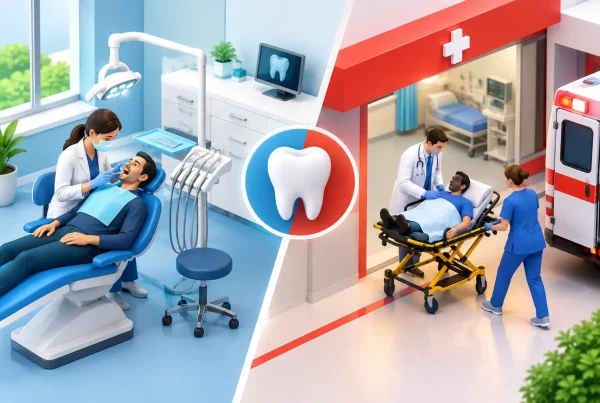
Do not wait for a routine visit if you have a toothache, swelling, a bad taste that will not go away, pain when biting, or sensitivity that lingers after hot or cold food and drinks. A visible hole, cracked tooth, lost filling, or dark area that is getting larger also deserves prompt assessment.
Facial swelling, trouble swallowing, difficulty breathing, or swelling near the eye can signal a serious dental infection. Seek urgent dental or medical care in these circumstances.
For less urgent concerns, an early appointment can still make a real difference. A small cavity rarely gets better once there is a hole, but it can often be treated before it becomes a painful dental emergency.
Protecting your teeth between appointments
There is no need to chase complicated routines. Consistent care is more effective: brush with fluoride toothpaste morning and night, clean between your teeth daily, drink water regularly, and limit frequent sugary or acidic snacks and drinks.
If you are prone to cavities, have dry mouth, wear braces or clear aligners, or have had several fillings in the past, ask about a prevention plan tailored to you. This may include fluoride treatments, more frequent reviews, dietary guidance, or products suited to your needs.
At Riverina Dental Albury, we take the time to explain what we can see and what your options mean for your comfort, oral health, and budget. If you are wondering whether a spot can be remineralised or needs a filling, a gentle assessment offers clearer answers than guessing at home.
Your teeth do not need perfection to stay healthy. They need early attention, practical daily care, and a dentist you can speak to before a small concern becomes a bigger one.