
You might not notice teeth grinding until your jaw feels tight at breakfast, a partner mentions the noise, or a tooth suddenly chips for no obvious reason. A mouthguard for teeth grinding can help protect your teeth while you sleep, but the right option depends on how often you grind, how hard you clench, and what is happening in your bite and jaw.
For many adults, grinding and clenching happen at night without any clear warning. Some people wake with headaches, sore facial muscles or sensitive teeth. Others only find out during a check-up, when worn enamel, small fractures or changes to fillings start to show. That is why treatment should not stop at simply buying something off the shelf. The guard matters, but so does understanding what it is protecting against.
What a mouthguard for teeth grinding actually does
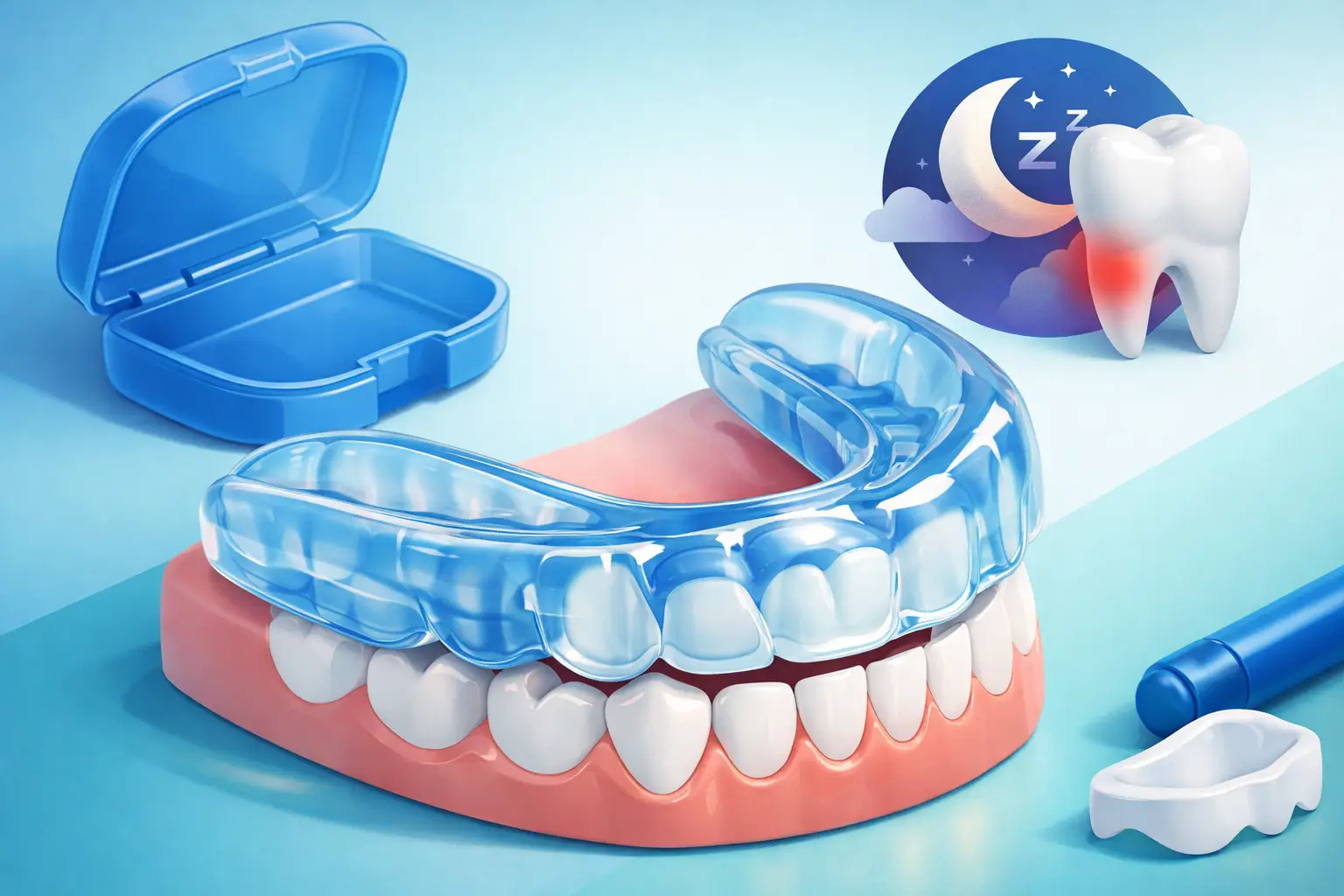
A mouthguard creates a barrier between your upper and lower teeth. That barrier helps reduce the direct force of grinding, which can lower the risk of cracked teeth, flattening enamel, damaged dental work and strain on the jaw joint.
It is worth saying clearly that a mouthguard does not always stop grinding itself. In many cases, it manages the damage rather than curing the habit. That is still very valuable. If you are clenching heavily in your sleep, protecting your teeth and easing pressure on the jaw can make a real difference over time.
Some patients also notice fewer morning headaches or less jaw fatigue. Others find the main benefit is preventing further wear. The outcome depends on the cause and severity of your grinding, as well as how well the guard fits.
Signs you may need a mouthguard for teeth grinding
Night grinding is not always noisy. Quite a few people grind silently or clench without the classic side-to-side movement. If you have persistent jaw tension, clicking near the jaw joint, worn teeth, unexplained tooth sensitivity or recurring fractures in fillings, grinding may be part of the picture.
Another clue is waking with a dull headache around the temples. Some people describe it as feeling like they have been chewing all night. Others notice neck tightness or facial muscle soreness that settles later in the day.
A dental examination is the best place to confirm what is going on. Teeth can wear down for more than one reason, and jaw discomfort can overlap with other issues. A proper assessment helps make sure you are treating the right problem.
Store-bought vs custom mouthguards
If you have looked online or in a pharmacy, you have probably seen boil-and-bite guards and softer over-the-counter options. They can be a starting point for some people, particularly if you need short-term protection while waiting for an appointment. They are usually cheaper upfront and easy to access.
The trade-off is fit. A store-bought guard is made to suit a wide range of mouths, which means it may feel bulky, move during sleep or encourage more jaw activity in some patients. If it does not sit properly, you may end up sleeping with your mouth open, feeling uncomfortable, or simply not wearing it consistently.
A custom mouthguard is made from an impression or scan of your teeth. That usually means a more secure fit, better comfort and a design that matches your bite more accurately. For people with heavier grinding, previous dental work, jaw symptoms or ongoing wear, custom protection is often the safer long-term option.
Why fit matters more than most people realise
A poorly fitted guard can do more than feel annoying. If it changes the way your teeth meet or places uneven pressure on the bite, it may worsen jaw symptoms or fail to protect the teeth that need it most.
This is especially important if you already have crowns, veneers, bridges, implants or a history of jaw pain. Dental work can be vulnerable to repeated grinding forces, and not every mouthguard material suits every patient. Harder acrylic guards are often used for stronger grinders because they are durable and stable, while softer guards may be suitable in specific situations. It is not one-size-fits-all.
That is where a dentist’s assessment adds value. You are not just getting a plastic appliance. You are getting a guard chosen for your bite, your symptoms and the condition of your teeth.
When grinding points to a bigger issue
Stress is a common factor, but it is not the only one. Sleep disruption, bite imbalance, certain medications, alcohol, caffeine and jaw joint problems can all play a role. Sometimes grinding starts during a particularly stressful period and then becomes a persistent habit. In other cases, patients have no obvious stress at all.
If your teeth are wearing quickly, your jaw is locking, or you are getting regular pain, it is worth looking beyond the guard alone. A mouthguard protects, but it may need to be part of a broader plan that includes checking your bite, reviewing damaged teeth, or discussing habits that may be adding to muscle tension.
That does not mean every grinder needs complex treatment. Often, the solution is straightforward. The key is not guessing.
What to expect from a custom dental mouthguard
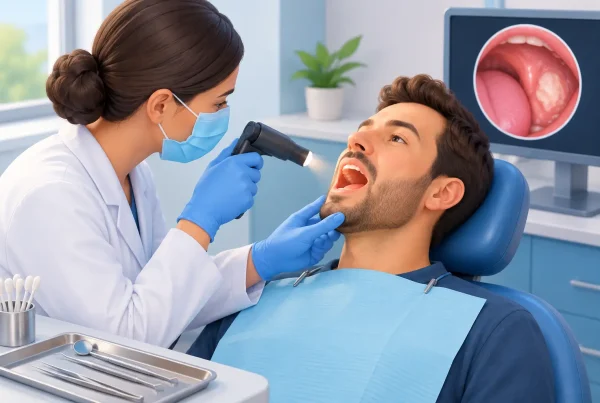
The process is generally simple. Your dentist examines your teeth, bite and jaw, then takes a scan or impression so the guard can be made to fit precisely. Once it is ready, the fit is checked and adjusted if needed.
Most patients adapt within a short time, especially when the guard is slim, stable and made properly. You may feel aware of it for the first few nights, but it should not feel loose or overly bulky. If it does, it needs reviewing.
You will also be shown how to clean and store it. Good care matters because guards can collect bacteria and wear down over time. A custom appliance should be reviewed at regular dental visits to make sure it still fits well and is doing its job.
How long does a mouthguard last?
That depends on the material and how heavily you grind. Some guards last for years, while others show wear sooner in strong clenchers. In a way, visible wear on the guard is useful – it shows the appliance is taking force that would otherwise be going into your teeth.
Still, a worn guard should not be ignored. If it cracks, becomes rough, feels different in the mouth or no longer fits snugly, it may need adjustment or replacement. Ongoing review is part of protecting your oral health properly, not an optional extra.
Can a mouthguard cure grinding?
Usually, no. It is better to think of it as protection and symptom management. For many people, that is exactly what they need. It reduces the damage, helps the jaw cope better and gives your dentist a chance to monitor whether the problem is stable or progressing.
In some cases, addressing contributing factors can reduce the intensity of grinding. Better sleep habits, cutting back late caffeine, managing stress or treating underlying dental issues may help. But even then, the guard often remains a practical way to protect your teeth while those changes take effect.
When to book an appointment
If you are waking with jaw pain, breaking teeth or fillings, noticing flattening or chipping, or hearing from a partner that you grind at night, it is worth having it checked. The earlier you catch grinding, the easier it is to prevent more serious damage.
At Riverina Dental Albury, we often see adults who put up with the symptoms for months or years because they assumed it was normal stress or just part of getting older. It is common, but that does not mean it should be left alone. A personalised assessment can help you work out whether a custom mouthguard is the right next step and whether anything else needs attention.
Protecting your teeth while you sleep is not about overcomplicating things. It is about taking repeated pressure seriously before it becomes a bigger, more expensive problem. If your jaw is telling you something each morning, it is worth listening.