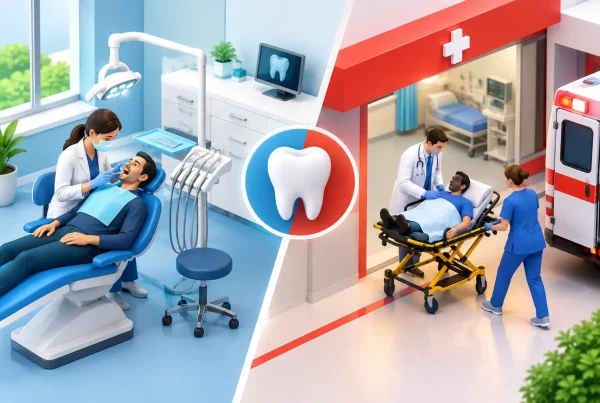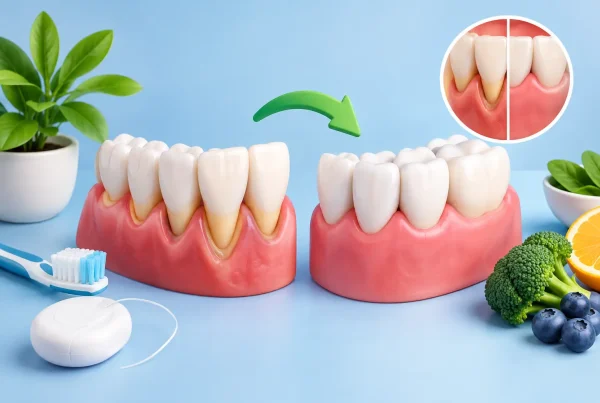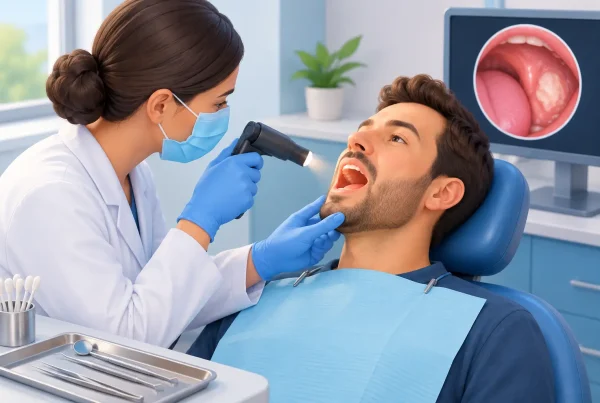

A major dental problem rarely arrives at a convenient time. When you are dealing with pain, infection, broken teeth or a treatment plan that feels financially out of reach, one of the first questions many patients ask is can super pay for dental treatment.
The short answer is sometimes, but only in specific circumstances. Superannuation is generally intended for retirement, so accessing it early for dental care is not automatic. In Australia, it may be possible through compassionate release if the dental treatment is considered necessary and you meet the eligibility requirements set by the Australian Taxation Office.
Can super pay for dental treatment in Australia?
Yes, super can pay for dental treatment in some cases, but it depends on the reason for treatment, the supporting evidence and whether your application is approved. This pathway is usually considered when the treatment is needed to manage a serious dental condition and the cost cannot be met through other available means.
That matters because there is a big difference between treatment that is clinically necessary and treatment that is mainly elective. For example, care to address severe infection, tooth loss affecting function, chronic pain or major restorative needs may be viewed differently from cosmetic whitening or purely aesthetic procedures.
Approval is not decided by your dentist alone. Your dentist can diagnose the problem, explain why treatment is needed and provide documents that support your case, but the final decision sits with the relevant government process for compassionate release.
What kinds of dental treatment may qualify?
In general, the strongest cases involve treatment that is needed to relieve pain, restore function or prevent the condition from getting worse. This can include major restorative treatment, oral surgery, dentures, crowns, bridges, implants in some circumstances, or treatment for advanced dental disease. Orthodontic care may be harder to justify unless there is a clear health reason beyond appearance.
The detail matters. A patient with widespread dental breakdown, repeated infections and difficulty eating has a very different clinical picture from someone wanting to improve the look of their smile. Even when the treatment plan includes several procedures, each part should still be clearly connected to a genuine health need.
This is where a careful assessment is important. A dentist needs to document not just what treatment is recommended, but why it is necessary now and what could happen if it is delayed.
When early release of super may be considered
Early release of super for dental care is usually considered under compassionate grounds. That generally means the treatment must be necessary to treat a serious condition, and you need to show that you cannot reasonably pay for it another way.
There are practical and financial checks involved. You may be asked to provide quotes or treatment plans, evidence of your financial position and supporting medical or dental documentation. The aim is to show both the clinical need and the fact that other payment options are not enough in your situation.
This is also why the process can feel a bit overwhelming when you are already in discomfort. Good support from your dental team can make a real difference, especially if they explain the treatment clearly and provide the records needed for your application.
What you usually need for an application
Every case is different, but most patients need a formal treatment plan, itemised costs and written evidence explaining the dental condition. Depending on the application pathway, you may also need a report from a registered practitioner confirming the seriousness of the condition and why treatment is required.
It is worth knowing that vague or incomplete paperwork can slow things down. If the treatment plan does not clearly explain the medical necessity, or if the quoted fees are not detailed enough, the application may be delayed or declined.
For that reason, it helps to have a clinic that takes the time to assess your mouth thoroughly, prioritise the urgent work and set out the treatment stages in plain language. This is especially important if your needs are complex and involve more than one type of treatment.
Can super pay for dental treatment if it is cosmetic?
Usually, purely cosmetic treatment is much less likely to qualify. Procedures such as whitening, aesthetic veneers or elective smile improvements are generally not what compassionate release is designed for.
That said, many real-life cases are not neatly cosmetic or neatly medical. A patient may need crowns or implants that improve appearance, but the main reason for treatment is to restore chewing, stabilise damaged teeth or replace teeth lost through disease. In those situations, the clinical justification matters more than whether the end result also looks better.
If you are unsure where your treatment sits, ask your dentist to explain the health reasons behind each recommendation. That clarity is useful whether you apply for early release or simply want to understand your options.
The trade-offs to think about before using super
Even if you are eligible, using super for dental treatment is a serious financial decision. You are drawing on money intended for your retirement, and the long-term impact can be significant depending on your age and balance.
For some patients, the immediate benefit outweighs that concern. If you are living with constant pain, avoiding food, struggling with repeated infection or facing progressive dental disease, getting treatment now may protect both your oral health and your wider wellbeing. Delaying care can sometimes lead to more extractions, more complex treatment and higher costs later.
Still, it is worth pausing to consider all available avenues. Payment plans, staged treatment, private health cover and prioritising urgent work first may reduce the amount you need to seek. A balanced treatment plan should look at what is clinically best and what is financially realistic.
A practical first step if you are considering this option
Before you look at application forms, book a proper dental assessment. You need a clear diagnosis, not just a rough idea of the cost. Once the condition is assessed, your dentist can explain what needs attention urgently, what can wait and whether your treatment appears likely to fit the sort of criteria used for compassionate release.
This is often where patients feel more in control. Instead of guessing, you can work from a written plan that outlines the problem, the recommended care and the fees involved. If early release of super is not suitable, that same plan can still be used to discuss alternatives such as phased care or finance options.
At Riverina Dental Albury, that conversation is approached with care and without pressure. When people are worried about pain and cost at the same time, they need straight answers, realistic options and a team that understands both.
Questions to ask your dentist
If you are wondering can super pay for dental treatment in your situation, a few practical questions can help move things forward. Ask whether the treatment is clinically necessary, whether it is considered urgent, what documents can be provided and whether the work can be staged if needed.
It is also sensible to ask what happens if only part of the treatment is approved. In some cases, the immediate priority may be infection control, extractions or stabilising the mouth first, with longer-term restorative treatment planned later. That approach can still bring relief while giving you time to consider the next step.
Why timing matters
Severe dental problems tend not to sit still. An infection can spread, a cracked tooth can split further, and a mouth with several failing teeth can become harder and more expensive to restore over time. If you think you may need major treatment, waiting too long to get assessed can limit your options.
That does not mean rushing into a decision. It means getting the facts early so you can act from a place of clarity. The sooner a dentist identifies the cause of the problem, the easier it is to build a sensible treatment pathway around your health needs and budget.
If you are asking can super pay for dental treatment, the most useful next step is not to assume yes or no. It is to find out exactly what is happening in your mouth, what care is genuinely needed, and what support may be available to help you move forward with confidence.