
A cracked tooth at dinner, a sudden swelling that wakes you at 2 am, or a knocked-out tooth after sport can go from stressful to frightening very quickly. This guide to emergency dental treatment is here to help you work out what needs urgent care, what you can do straight away, and when it is safest to call a dentist without delay.
Dental emergencies are not always dramatic, and they do not all look the same. Some are obvious, like heavy bleeding or a tooth that has been knocked out. Others start as a dull ache and become much more serious over a few hours. The key is not to wait and hope it settles if there is severe pain, swelling, trauma, or signs of infection.
What counts as emergency dental treatment?
Emergency dental treatment is care for dental problems that need prompt attention to relieve pain, stop bleeding, manage infection, or save a tooth. In many cases, acting quickly can reduce the amount of treatment needed later.
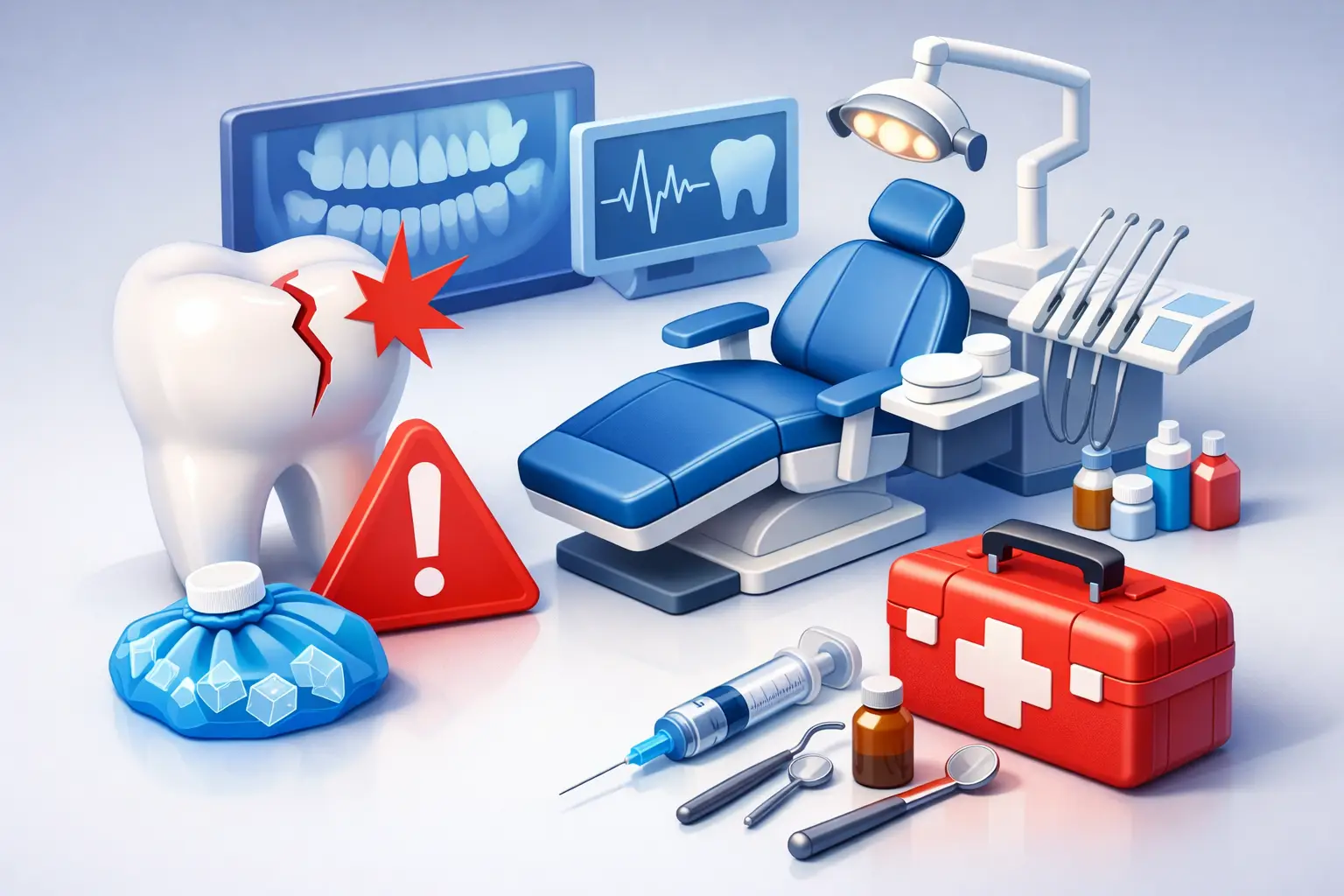
A true dental emergency often includes severe toothache, facial swelling, a broken or knocked-out tooth, uncontrolled bleeding, or pain that makes it hard to eat, sleep, or concentrate. If you have had recent dental work and the pain is getting worse rather than better, that can also need urgent review.
Not every dental issue needs same-day treatment. A lost filling, a chipped tooth with no pain, or a mild toothache may be urgent, but not always an emergency. Still, it is wise to call and ask. A quick conversation can help you avoid turning a manageable problem into a more complicated one.
A practical guide to emergency dental treatment at home
The first step is to stay calm enough to assess what is happening. Rinse your mouth gently with warm salt water if there is blood or debris, and use a cold compress on the outside of the face for swelling. Avoid placing aspirin directly on the gum, as this can irritate the tissue.
If there is bleeding, apply gentle pressure with clean gauze or a clean cloth. If a tooth has been knocked out, hold it by the crown rather than the root, and if it is dirty, rinse it briefly in milk or saline. Do not scrub it. If possible, place it back in the socket and bite gently on gauze to hold it in place. If that is not possible, keep it in milk or inside the cheek and get to a dentist immediately.
For a broken tooth, save any pieces if you can. Rinse your mouth, avoid chewing on that side, and cover any sharp edge with orthodontic wax if available. For toothache, take pain relief as directed on the packet if it is safe for you to do so, and avoid very hot, cold, or sugary foods until you are seen.
There are limits to home care. These steps are about reducing harm and buying time, not replacing treatment.
When it is not just a dental issue
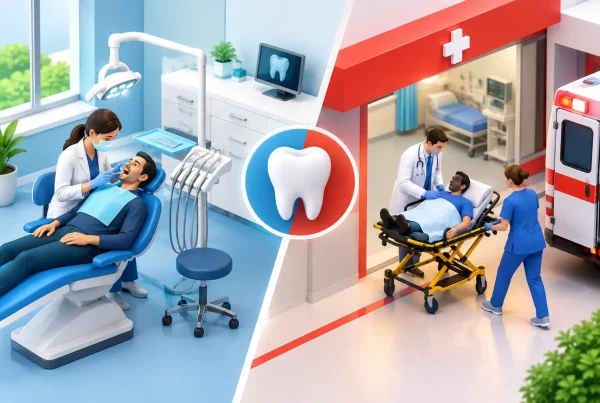
Some symptoms need medical help as well as dental care. If swelling is spreading into the face or neck, if you have difficulty breathing or swallowing, or if there is significant facial trauma, seek urgent medical attention straight away. The same applies if bleeding will not stop or you feel faint or unwell.
Common dental emergencies and what usually happens next
A severe toothache is one of the most common reasons people seek urgent care. Pain can come from deep decay, infection, a cracked tooth, gum disease, or an inflamed nerve. Treatment depends on the cause. Sometimes the solution is a filling, sometimes root canal treatment, and sometimes the tooth cannot be saved and extraction is the safer option.
Swelling around the gum, jaw, or cheek can point to infection. This is not something to put off, especially if the swelling is increasing. Dentists may need to drain the area, treat the source of the infection, and in some cases prescribe medication. The important thing is that the source still needs treatment. Medication alone does not fix the underlying dental problem.
A knocked-out adult tooth is time-sensitive. The sooner it is assessed, the better the chance of saving it. A loose tooth after trauma also needs prompt review, even if it is still in place. Teeth can sometimes be stabilised if seen early enough.
Broken teeth vary. A small chip may be smoothed or repaired with composite. A deeper break involving the nerve may need more complex care. If the fracture extends below the gumline, options can become more limited. That is why early assessment matters.
A lost crown, bridge, or filling can feel less urgent, but if the exposed tooth is painful or sharp, waiting can make things worse. Temporary measures may help for a few hours or overnight, but proper repair is still needed.
Why fast treatment matters
The best reason to seek emergency care quickly is simple: small problems can escalate. An infection can spread. A crack can deepen. Pain can go from annoying to overwhelming. A tooth that might have been saved in the morning may be much harder to treat after a delay.
There is also the matter of comfort. Dental pain can affect sleep, work, school runs, meals, and your ability to think clearly. Prompt care is not only about protecting teeth. It is about helping you function again.
For anxious patients, putting things off often makes the experience feel bigger than it needs to be. A gentle, clearly explained visit is usually easier than waiting until pain or swelling forces the issue.
What to expect when you call for emergency dental treatment
When you ring a dental clinic about an emergency, you will usually be asked what happened, when it started, how severe the pain is, and whether there is swelling, bleeding, or trauma. This helps the team work out urgency and give you advice before you arrive.
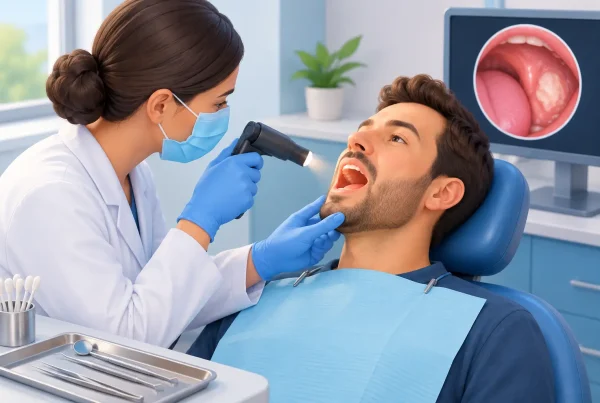
At your appointment, the first priority is to get you comfortable and identify the source of the problem. That may involve an examination and X-rays. In some cases, treatment is completed on the day. In others, the emergency visit is about pain relief, stabilising the tooth, or reducing infection before a second appointment.
This is where clear communication matters. You should know what the immediate issue is, what the short-term fix will do, and whether there is a longer-term treatment plan to consider. Good emergency care is not rushed care. It should be prompt, but still thoughtful.
Cost, timing, and treatment choices
One of the biggest concerns in a dental emergency is cost. That is understandable, especially when the problem appears without warning. The right treatment depends on the condition of the tooth, your symptoms, your oral health more broadly, and your budget.
Sometimes the most affordable option today is not the most cost-effective one over time. For example, a temporary patch may get you through the weekend, but if the tooth is badly compromised, a more durable solution may prevent repeat visits. On the other hand, not every painful tooth needs complex treatment. It depends on what is actually causing the pain.
A patient-first clinic should explain your options clearly, including likely costs, what is urgent, and what can safely be staged. That kind of planning matters in emergencies because people are often making decisions while tired, sore, and stressed.
Preventing the next emergency
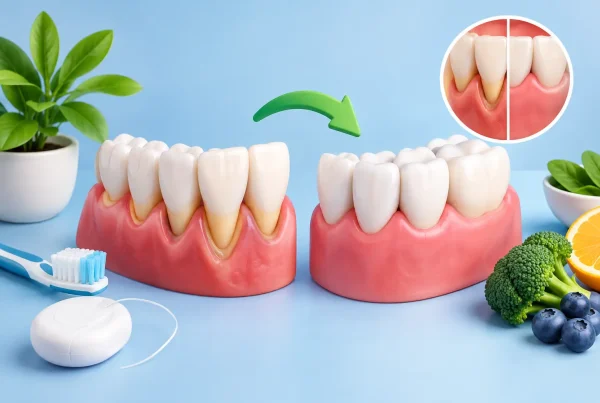
Not every dental emergency can be avoided, especially accidents and sporting injuries. But many urgent visits are linked to problems that have been building quietly for months. Regular check-ups, early treatment of decay, gum care, and replacing worn restorations before they fail can all reduce the chance of an emergency later.
If you grind your teeth, play contact sport, or have a history of cracked fillings or crowns, it is worth asking about ways to protect your teeth. Prevention is usually simpler, more comfortable, and more affordable than urgent treatment.
For people in the Albury-Wodonga region, having a local clinic you trust before something goes wrong makes a real difference. Riverina Dental Albury supports patients with prompt emergency care, gentle treatment, and clear advice when things feel urgent.
If you are ever unsure whether your dental problem can wait, trust the fact that pain, swelling, bleeding, or trauma rarely improve by being ignored. A timely phone call can give you clarity, practical next steps, and a much better chance of protecting your health and your smile.