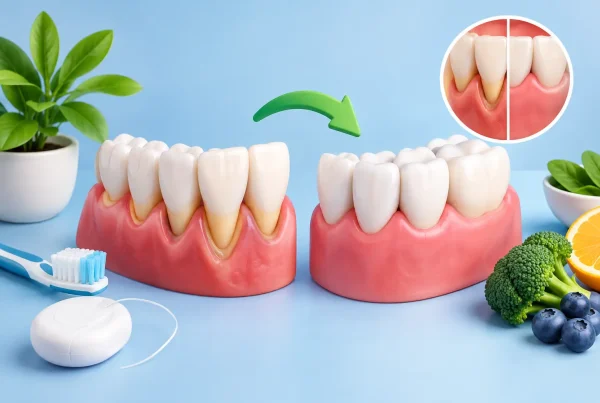

That small twinge when you sip something cold, the bit of food that keeps catching in the same spot, or a tooth that suddenly feels rough with your tongue – these are often the moments people start asking, when do you need a filling? The short answer is that a filling is usually needed when part of a tooth has been damaged by decay, wear or a small fracture, and the area can still be repaired without more extensive treatment.
A filling restores the shape and strength of the tooth while sealing it against further damage. In many cases, getting in early means a simpler appointment, less discomfort and a more affordable treatment plan.
When do you need a filling for tooth decay?
The most common reason for a filling is dental decay. This happens when plaque and bacteria produce acids that soften and break down the tooth surface. At first, you may not notice anything at all. Early decay can be silent, which is why regular dental check-ups matter so much.
Once decay moves beyond the outer enamel and starts affecting the deeper tooth structure, a filling is often the best way to remove the damaged area and protect what remains. If decay is left alone for too long, it can travel further into the tooth and reach the nerve. At that point, a simple filling may no longer be enough, and root canal treatment or even extraction can become part of the conversation.
This is where timing really matters. Not every early spot of decay needs a filling straight away. Sometimes your dentist may recommend monitoring the area, improving home care, using fluoride or making dietary changes first. But if the tooth has already developed a cavity or the surface has broken down, a filling is usually the practical next step.
Signs you may need a filling
Some people expect a cavity to be painful, but that is not always how it starts. A tooth can need treatment well before it becomes an emergency. There are a few warning signs worth paying attention to.
Sensitivity to cold, hot or sweet foods is a common one, especially if it keeps happening in the same tooth. Pain when biting down can also point to a weak or damaged area. You might notice a visible hole, a dark spot, a chipped edge or a rough patch that was not there before. Food getting trapped in one spot over and over is another clue.
Bad breath or a bad taste in your mouth can sometimes be linked to decay as well, particularly if bacteria are collecting in a cavity. Even so, some teeth with clear decay cause no pain at all. That is why an examination and X-rays are often what reveal the real picture.
Other reasons a tooth may need a filling
Fillings are not only for cavities. Teeth can also need repair because of everyday wear and tear. A small crack, a chipped corner, grinding damage or erosion from acidic foods and drinks can all leave a tooth weaker than it should be.
In those cases, a filling may be used to rebuild the lost structure and protect the tooth from further strain. Composite fillings are especially useful here because they can be shaped carefully and matched closely to the natural tooth colour. For front teeth or visible areas, that matters to many patients.
Older fillings can also wear out over time. They may crack, leak around the edges or simply stop doing their job well. If that happens, replacing the filling can help prevent bacteria from getting underneath and causing further decay.
What a dentist looks for before recommending a filling
When you come in with a sore or sensitive tooth, the decision is not based on symptoms alone. Your dentist will usually check the surface of the tooth, look for weak spots, test how the tooth responds and often take X-rays to see what is happening between the teeth or under the surface.
That matters because not every sensitive tooth needs a filling. Sometimes the issue is gum recession, tooth grinding, enamel wear or a cracked tooth that needs a different approach. The goal is to recommend the smallest treatment that will genuinely solve the problem.
For patients who are anxious about treatment, it can help to know that a clear diagnosis often makes things feel more manageable. Once you understand what is happening and why a filling is or is not needed, the next step tends to feel much less daunting.
When do you need a filling versus another treatment?
A filling works best when the damage is still relatively contained. If the cavity or crack is small to moderate and the tooth has enough healthy structure left, a filling is often the simplest and most conservative option.
If the damage is larger, though, a different treatment may hold up better over time. A heavily weakened tooth may need an inlay, onlay or crown instead of a standard filling. If the nerve inside the tooth is infected or inflamed beyond repair, root canal treatment may be needed before the tooth can be restored. And if a tooth is too badly broken down to save, extraction may be the safest choice.
This is one of those situations where it depends. Two people can have similar symptoms but need very different treatment because the size, location and depth of the problem are different. That is why a proper assessment matters more than guessing based on pain alone.
What happens if you wait too long?
It is understandable to put off dental care, especially if the tooth only bothers you now and then. But small problems tend to become larger, more expensive ones when they are ignored.
A cavity does not heal by itself once the tooth surface has broken down. The decay usually keeps progressing. What could have been treated with a straightforward filling can become a more complex restoration later on. Pain may become more intense, the tooth may fracture further, and infection can develop.
There is also the cost factor. Early treatment is usually kinder to both your tooth and your budget. At Riverina Dental Albury, that is a big part of how we approach care – explain the issue clearly, offer practical options and help patients make timely decisions before a manageable problem turns into a major one.
Are fillings painful?
This is one of the most common worries, and it stops plenty of people from booking in sooner. The good news is that modern fillings are usually very manageable. If the area needs to be numbed, local anaesthetic can make the treatment much more comfortable. For very small fillings, numbing may not even be necessary.
Most patients say the anticipation is worse than the appointment itself. You may feel pressure or vibration, but treatment should not feel sharp or unbearable. If you are nervous, letting the dental team know beforehand can make a big difference. Gentle care, clear communication and a calm pace matter, especially for anxious patients.
How to reduce the chance of needing a filling
Not every filling is preventable, but many are. Good brushing and cleaning between the teeth help reduce plaque build-up. Regular check-ups and cleans allow early decay to be spotted before it becomes a cavity. Limiting frequent sugary snacks and acidic drinks also helps protect enamel from repeated attack.
Grinding is another issue worth mentioning. If you clench or grind your teeth at night, the stress can wear them down and lead to cracks that eventually need repair. In that case, your dentist may talk to you about protecting the teeth with a splint as well as restoring any damaged areas.
The main thing is not to wait for severe pain before seeking advice. Teeth often give subtle warnings first, and catching those signs early usually leads to simpler care.
A sensible next step if you are unsure
If you have noticed sensitivity, a rough spot, a visible hole or a tooth that just does not feel right, it is worth having it checked. You do not need to decide on your own whether it is serious enough. That is what an examination is for.
Sometimes the answer will be that the tooth needs a filling now. Sometimes it can be monitored. Either way, knowing where you stand gives you options, and that peace of mind is often the best reason to stop guessing and get it looked at.