
Pregnancy comes with plenty of appointments, advice and changes to manage. Your mouth should not be another source of worry. This guide to pregnancy dental care explains what can change during pregnancy, when to see a dentist and how gentle, timely care can protect your comfort and oral health.
Many expecting parents put dental visits off because they are unsure what is safe. In most cases, routine dental care and treatment for pain, infection or gum disease can be provided during pregnancy. The right timing and approach depend on your health, stage of pregnancy and the treatment needed, so let your dentist know you are pregnant or trying to conceive from the start.
Why dental care matters during pregnancy
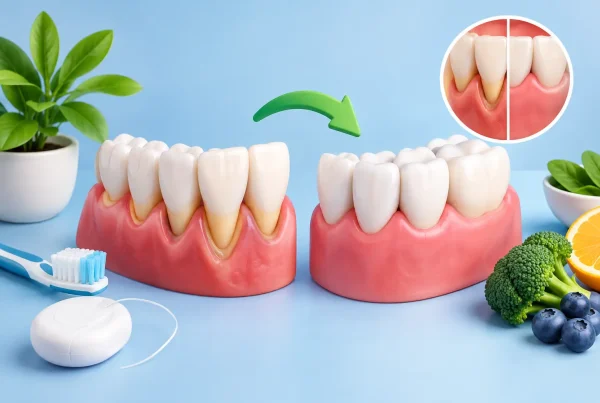
Pregnancy hormones can affect the way your gums respond to plaque. Even with your usual brushing routine, gums may become red, swollen, tender or more likely to bleed. This is commonly called pregnancy gingivitis, and it deserves attention rather than being dismissed as something you simply have to put up with.
When plaque is allowed to build up around the gumline, inflammation can progress. You may notice bad breath, tenderness when you eat, or bleeding when brushing and flossing. A professional clean, tailored home-care advice and regular monitoring can often settle early gum inflammation before it becomes a more difficult problem.
Morning sickness and reflux can also expose teeth to stomach acid. Acid temporarily softens enamel, so brushing straight after vomiting may wear the tooth surface more than you intend. Instead, rinse your mouth with water, wait about 30 minutes, then brush gently with fluoride toothpaste. If toothpaste makes nausea worse, try a mild flavour or brush at a different time of day when symptoms are easier to manage.
Frequent snacking can be another challenge. It is understandable to eat smaller meals when nausea or appetite changes are part of the day, but repeated sugary or acidic snacks and drinks give decay more opportunities to develop. Water is the best everyday drink for teeth. Where possible, choose tooth-friendly snacks such as cheese, yoghurt, nuts or fresh vegetables, and keep sweet foods with meals rather than grazing on them.
Your guide to pregnancy dental care appointments
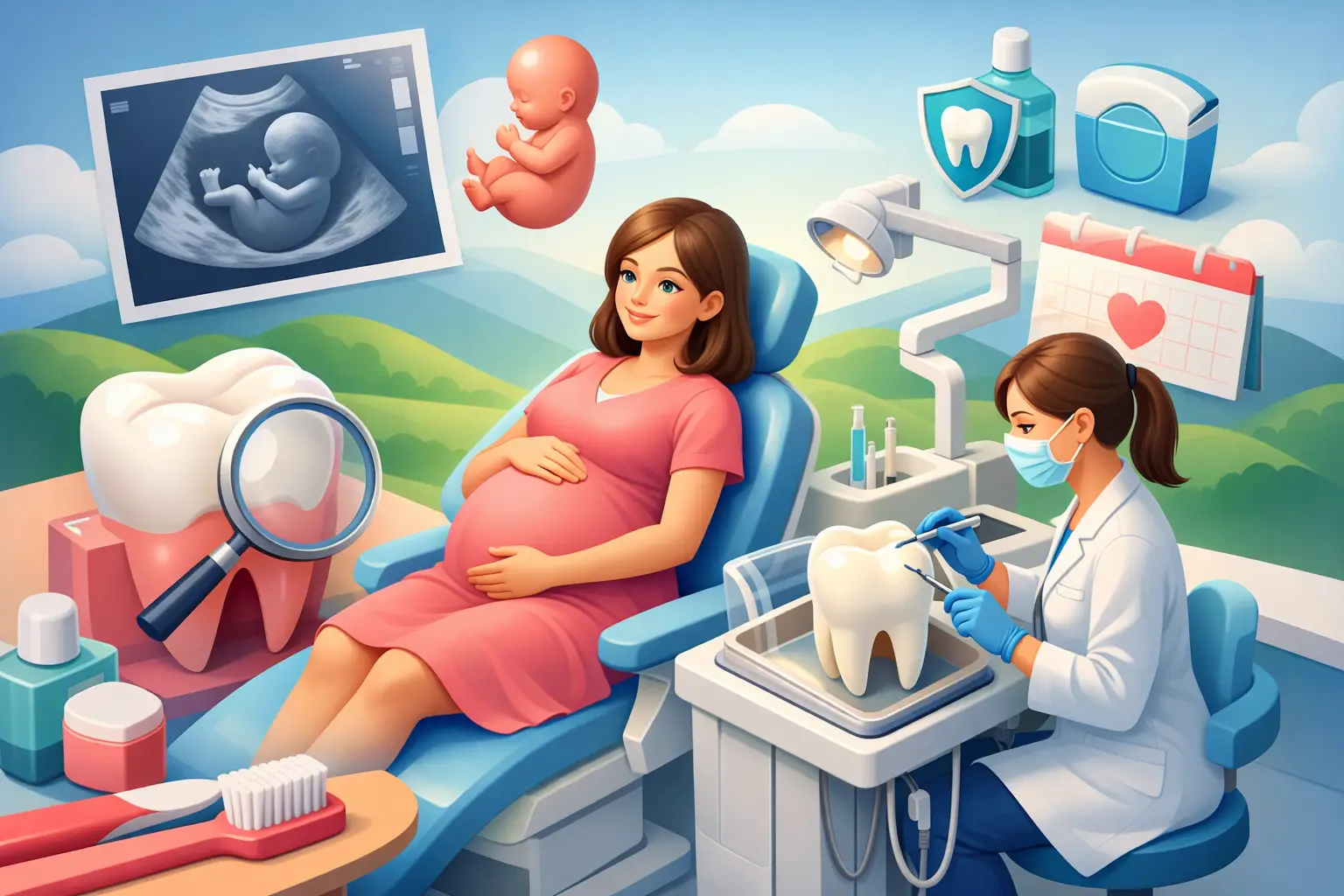
A check-up early in pregnancy is a sensible starting point, especially if it has been more than six months since your last visit or you have noticed bleeding gums, tooth sensitivity or pain. Your dentist can assess your teeth and gums, complete a gentle clean where appropriate, and make a plan that fits your pregnancy and budget.
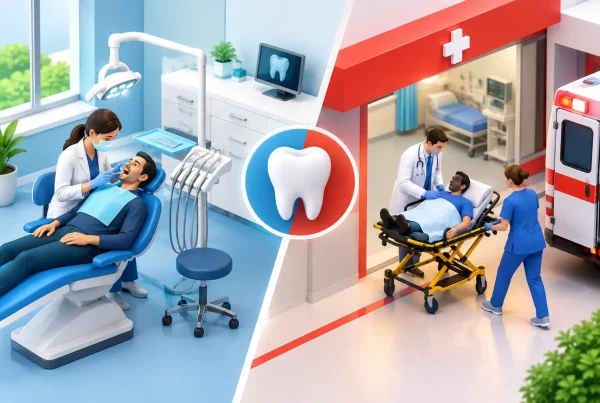
The second trimester is often the most comfortable time for planned treatment, as morning sickness may have eased and lying back in the dental chair is usually more manageable. That said, dental problems do not always follow a timetable. A toothache, swelling, broken tooth, abscess or bleeding that will not settle should be assessed promptly in any trimester. Delaying treatment for an infection is generally not the safer option.
In the third trimester, longer appointments can feel uncomfortable. Your dental team can use shorter visits, allow breaks and adjust your position to help you stay comfortable. If lying flat makes you dizzy or unwell, tell the team straight away. A slight tilt or change of position may make a meaningful difference.
Treatments that may be needed
Preventive care such as examinations, cleans and fluoride treatment is commonly suitable during pregnancy. Fillings, gum treatment and treatment for dental pain may also be recommended when they are needed to restore health and prevent infection.
Dental X-rays are avoided unless they are clinically necessary, but pregnancy does not automatically rule them out. Modern dental X-rays use very low radiation, and your dentist will only recommend one when the information is needed to diagnose or safely treat a problem. They will discuss the reason with you before proceeding.
Local anaesthetic is often used for necessary treatment so you can be kept comfortable. Your dentist will select medications carefully and will consider your medical history, pregnancy stage and any advice from your GP, obstetrician or midwife. Do not stop or start medications, including over-the-counter pain relief, without checking with the health professional who knows your circumstances.
Cosmetic treatment can usually wait until after pregnancy. This is not because every cosmetic procedure is necessarily unsafe, but because pregnancy is a time to prioritise comfort, prevention and essential care. Gums can also change during pregnancy, which may affect treatment planning. If you are considering whitening, veneers or other elective work, your dentist can help you decide whether waiting will give you a more predictable result.
A simple home routine for healthier gums
Consistency matters more than a complicated routine. Brush twice a day with a soft toothbrush and fluoride toothpaste, using small gentle movements along the gumline. Spit out the excess toothpaste after brushing rather than rinsing thoroughly, as this leaves fluoride on the teeth for longer.
Clean between your teeth once a day with floss or interdental brushes. If your gums bleed, it can be tempting to stop, but gentle daily cleaning is often exactly what inflamed gums need. Bleeding should improve as plaque is removed. If it continues after a week or two of careful home care, or becomes heavy or painful, arrange a dental visit.
Dry mouth can make decay more likely and can be uncomfortable. Sip water regularly, limit sugary drinks and consider sugar-free chewing gum after meals if it suits you. Chewing gum is not a replacement for brushing, but it can stimulate saliva and help clear food from the mouth.
A few small changes can protect your teeth when nausea is frequent:
- Keep a glass or bottle of water nearby to rinse after vomiting or reflux.
- Eat what you can tolerate, but try to avoid sipping sweet drinks over long periods.
- Choose a small-headed, soft toothbrush if brushing triggers gagging.
- Ask your dentist about fluoride options if you are at higher risk of tooth decay.
When symptoms need prompt attention
Some pregnancy-related gum bleeding is common, but pain and swelling are not things to ignore. Contact a dentist promptly if you have a persistent toothache, facial swelling, pus around a tooth, a broken tooth causing pain, severe sensitivity, loose teeth, or a lump or sore in the mouth that has not healed within two weeks.
A small, red lump on the gums can occasionally develop during pregnancy. Often called a pregnancy tumour, it is not cancerous, despite the name. It can bleed easily and may settle after birth, but it still needs a dental assessment to rule out other causes and to decide whether it requires treatment.
If you have fever, significant facial swelling, trouble swallowing or breathing, seek urgent medical help. Dental infections can become serious, and early care is always preferable.
Make your dental team part of your care team
Tell your dentist about your due date, medical conditions, medications, allergies and any complications in your pregnancy. If you have gestational diabetes, high blood pressure, severe nausea, a high-risk pregnancy or have been advised to avoid certain activities, this information helps your care be planned safely.
It is also helpful to tell your midwife, obstetrician or GP if you are receiving dental treatment for an infection or a more involved procedure. In some situations, your health professionals may wish to coordinate advice. This is simply good care, not a cause for alarm.
At Riverina Dental Albury, we take a calm, personalised approach to pregnancy dental care. We can explain what is needed now, what can reasonably wait and how to keep appointments comfortable, with treatment options discussed clearly before you decide.
Your body is doing remarkable work, and your dental care can be straightforward, gentle and well supported. If bleeding gums, sensitivity or a toothache are adding to the load, arranging an appointment now can give you one less thing to carry into the months ahead.