
A toothache can start as a small twinge with a cold drink, then become the pain that keeps you awake at 2 am. This toothache causes guide is designed to help you understand what may be happening, ease discomfort safely while you arrange care, and recognise when you should seek urgent dental help.
Tooth pain is not always a sign of a cavity, although decay is common. Teeth, gums, jaw joints and even the sinuses can produce similar symptoms. The location, timing and trigger for the pain give useful clues, but only a dental examination and, when needed, X-rays can identify the cause with confidence.
Toothache causes guide: common reasons for pain
Tooth decay and an infected tooth
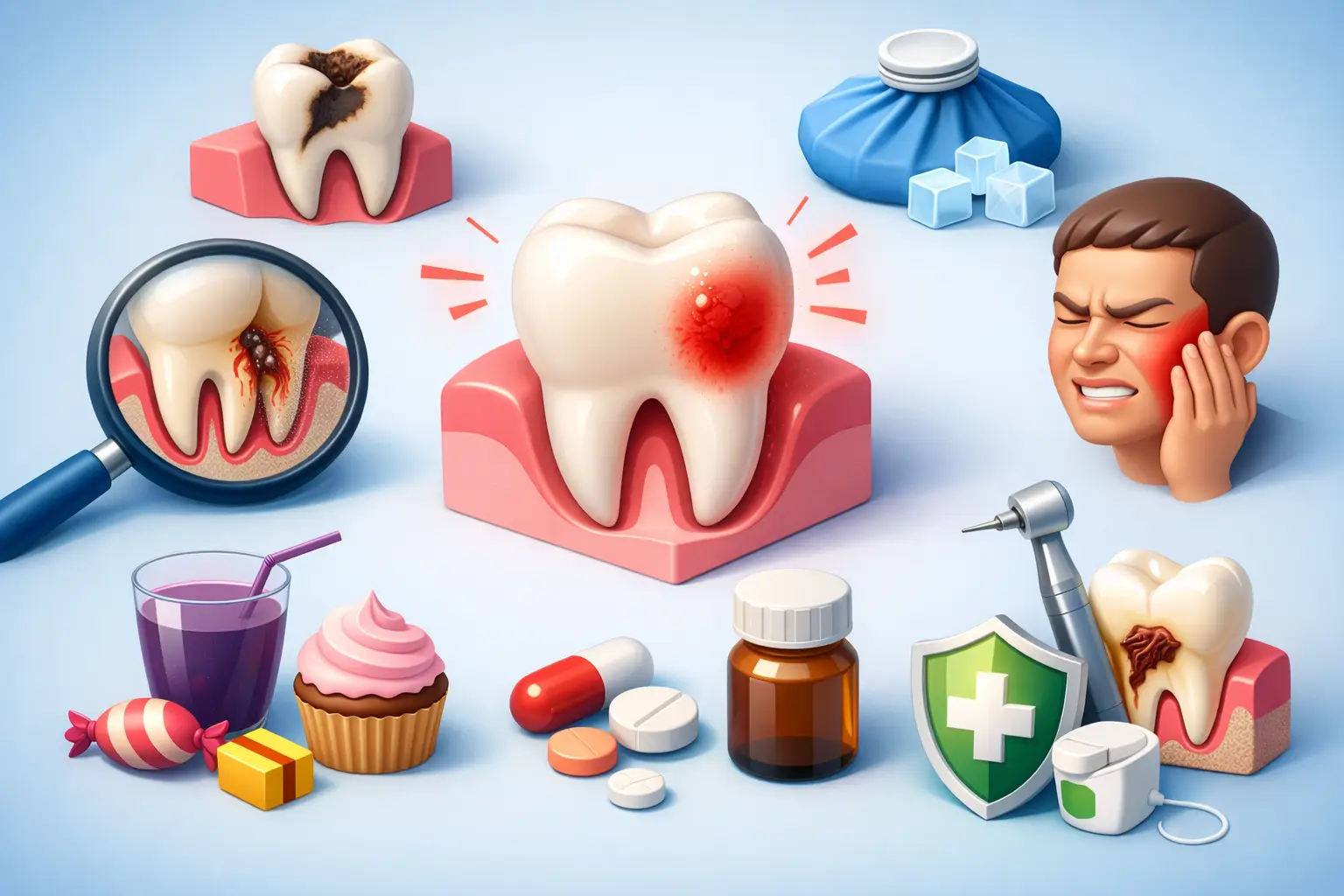
Decay begins when plaque bacteria use sugars from food and drink to produce acids that weaken tooth enamel. In its early stages, you may notice no pain at all. As the decay reaches the softer layer beneath the enamel, called dentine, the tooth may react sharply to sweet, cold or hot foods.
If decay progresses to the nerve inside the tooth, pain can become spontaneous, throbbing or severe. You may find heat makes it worse, or feel pain that lingers long after you have finished eating or drinking. An infection around the tooth root can also cause tenderness when biting, swelling, a bad taste or a small pimple-like lump on the gum.
A filling may be enough when decay is caught early. More advanced damage may require root canal treatment and a protective crown, or occasionally removal of the tooth. The right option depends on how much healthy tooth structure remains and the condition of the surrounding bone and gums.
A cracked tooth, damaged filling or worn enamel
Teeth are strong, but they can crack after biting hard foods, grinding your teeth, a sporting injury or simply years of pressure on an older filling. A crack can be difficult to see and may cause a sharp pain when you bite down or, more noticeably, when you release your bite.
Lost fillings, broken teeth and worn enamel can expose sensitive dentine. Some people describe a quick electric shock of pain with cold air or a chilled drink. A small repair may solve the problem, while deeper cracks sometimes need a crown to hold the tooth together. If a crack extends below the gumline, saving the tooth may not be possible, which is why prompt assessment matters.
Gum disease and gum infections
Toothache does not always come from inside a tooth. Inflamed gums can feel sore, tender and swollen, particularly when brushing or flossing. Bleeding gums, persistent bad breath and a metallic taste are also signs worth checking.
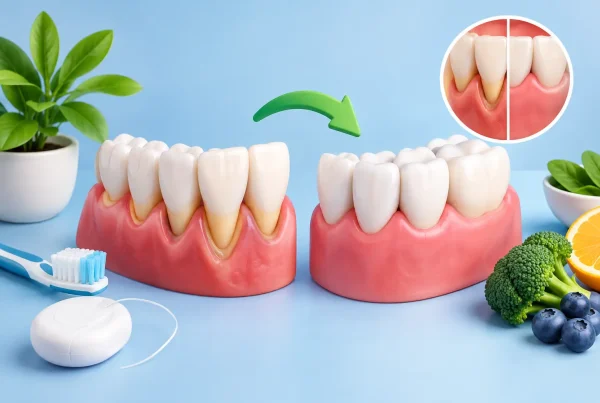
More established gum disease can lead to infection around a tooth, gum recession and loosening teeth. Pain may feel dull rather than sharp, and may be accompanied by swelling between teeth. Professional cleaning and periodontal treatment can control gum disease, but the treatment plan varies according to how advanced it is. Good home care supports treatment, but cannot remove hardened plaque, known as calculus, once it has formed.
Wisdom teeth and food trapped around the gums
A partially erupted wisdom tooth can leave a flap of gum where food and bacteria collect. This can cause a painful infection around the tooth, with redness, swelling, an unpleasant taste and difficulty opening your mouth comfortably. The discomfort may come and go, which can make it tempting to put off treatment.
Wisdom teeth do not always need to be removed. If they are healthy, cleanable and sitting well, monitoring may be appropriate. Repeated infection, decay, damage to the tooth in front or lack of room may make removal the more dependable long-term choice.
Teeth grinding and jaw joint pain
Clenching or grinding, often during sleep, can overload teeth and jaw muscles. It may cause a dull toothache across several teeth, morning headaches, tight jaw muscles or worn, chipped edges. The pain can be mistaken for a cavity, yet the tooth itself may be healthy.
A carefully fitted night guard can protect teeth in suitable cases, but it is also important to assess the bite, any cracked teeth and factors contributing to jaw strain. Stress can play a part, though it is rarely the only explanation.
Pain that is not actually from a tooth
Sinus congestion can create pressure in the upper back teeth, especially when bending forward. Ear problems, nerve pain and jaw joint conditions can also be felt as toothache. Conversely, a dental infection can sometimes refer pain towards the ear, jaw or temple.
This overlap is one reason self-diagnosis is unreliable. A dentist can test the teeth, gums and bite, then advise if another health professional may need to be involved.
What your toothache pattern may be telling you
Pain only with cold that disappears quickly may suggest exposed dentine, early decay, gum recession or a small crack. Pain on biting can point to a crack, a high filling, infection around a root or inflammation in the supporting tissues. Constant throbbing pain, facial swelling or pain that disturbs sleep deserves prompt attention because it may indicate infection or significant inflammation.
The absence of pain does not always mean the problem has gone away. If a tooth nerve dies after a period of severe pain, discomfort can temporarily settle before infection develops around the root. Likewise, a chipped tooth can seem harmless until bacteria enter the damaged area.
What to do while you wait for a dental appointment
Gentle measures can make a toothache more manageable, but they do not treat the underlying cause. Rinse your mouth with warm salty water and gently floss around the sore tooth in case food is trapped. Keep the area clean with a soft toothbrush, even if the gum is tender.
Choose soft foods and avoid chewing on the painful side. Very hot, cold, sweet or acidic foods may trigger pain, so keep meals simple until you can be seen. A cold pack against the outside of the cheek can help with discomfort or mild swelling.
Over-the-counter pain relief may be suitable when taken exactly as directed on the packet and with advice from a pharmacist if you have health conditions, take other medicines or are pregnant. Do not place aspirin or other pain tablets directly on a tooth or gum. They can burn the soft tissue. Avoid using leftover antibiotics, as they may be inappropriate and can delay the dental treatment that is actually needed.
When a toothache needs urgent dental care
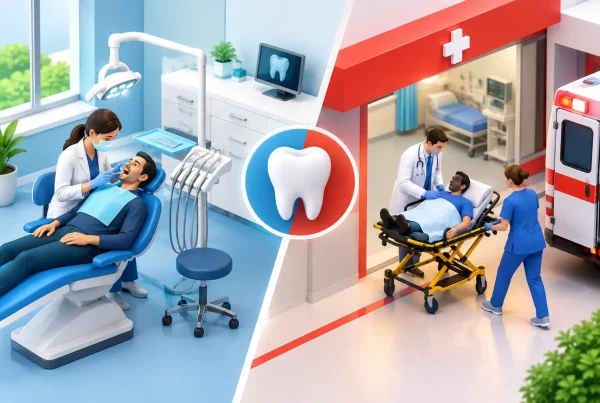
Call for urgent dental advice if pain is severe, worsening or stopping you from sleeping, eating or going about your day. Seek prompt help if you notice any of the following:
- swelling in your face, jaw or neck
- fever, feeling unwell, or a spreading bad taste from the tooth
- difficulty swallowing, breathing or opening your mouth
- a knocked-out, broken or significantly loose adult tooth
Difficulty breathing or swallowing, rapidly increasing facial swelling, or swelling near the eye needs emergency medical care immediately. Dental infections can spread, and waiting for the pain to pass is not a safe plan in these circumstances.
How a dentist finds the cause and plans treatment
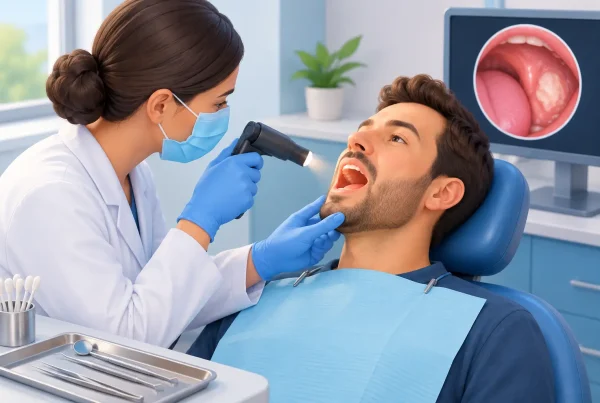
A thorough assessment usually includes a conversation about your symptoms, an examination of the tooth and gums, and tests such as checking the bite, temperature sensitivity or gentle tapping on the tooth. Dental X-rays may be recommended to look beneath fillings, between teeth and around the roots.
The goal is not simply to stop pain for the day. It is to identify the source and discuss options that protect your oral health, comfort and budget. Sometimes this means a straightforward filling or professional clean. At other times, treatment may involve root canal therapy, a crown, gum treatment, wisdom tooth care or replacement planning if a tooth cannot be saved.
At Riverina Dental Albury, treatment discussions are personalised, with clear explanations of what is urgent, what can be staged and what each option is intended to achieve. This can be particularly reassuring when pain has made it difficult to think beyond immediate relief.
Reducing the chance of another toothache
Regular check-ups help find small cavities, leaking fillings, early gum inflammation and cracks before they become painful emergencies. Brushing twice daily with fluoride toothpaste, cleaning between teeth each day and limiting frequent sugary snacks or drinks remain the foundations of prevention.
If you grind your teeth, have dry mouth, experience frequent reflux or have had extensive dental work, your prevention plan may need to be more tailored. A dentist can recommend the most useful recall schedule, fluoride support or protective appliance for your situation.
A toothache is your body asking for attention, not a test of how long you can put up with pain. Arranging an assessment early often means more comfortable treatment, clearer choices and a better chance of keeping your natural tooth.