
A wisdom tooth rarely announces itself politely. For many people, it starts as a dull ache at the back of the jaw, swelling around the gum, or pain that seems to spread into the ear or head. This guide to wisdom tooth removal is here to make the process clearer, calmer, and easier to plan for if you live in Albury-Wodonga and want straightforward answers.
Why wisdom teeth cause trouble
Wisdom teeth are the last molars to come through, usually in the late teens or early twenties. Some people have no problems at all. Their wisdom teeth erupt normally, can be cleaned properly, and stay healthy for years.
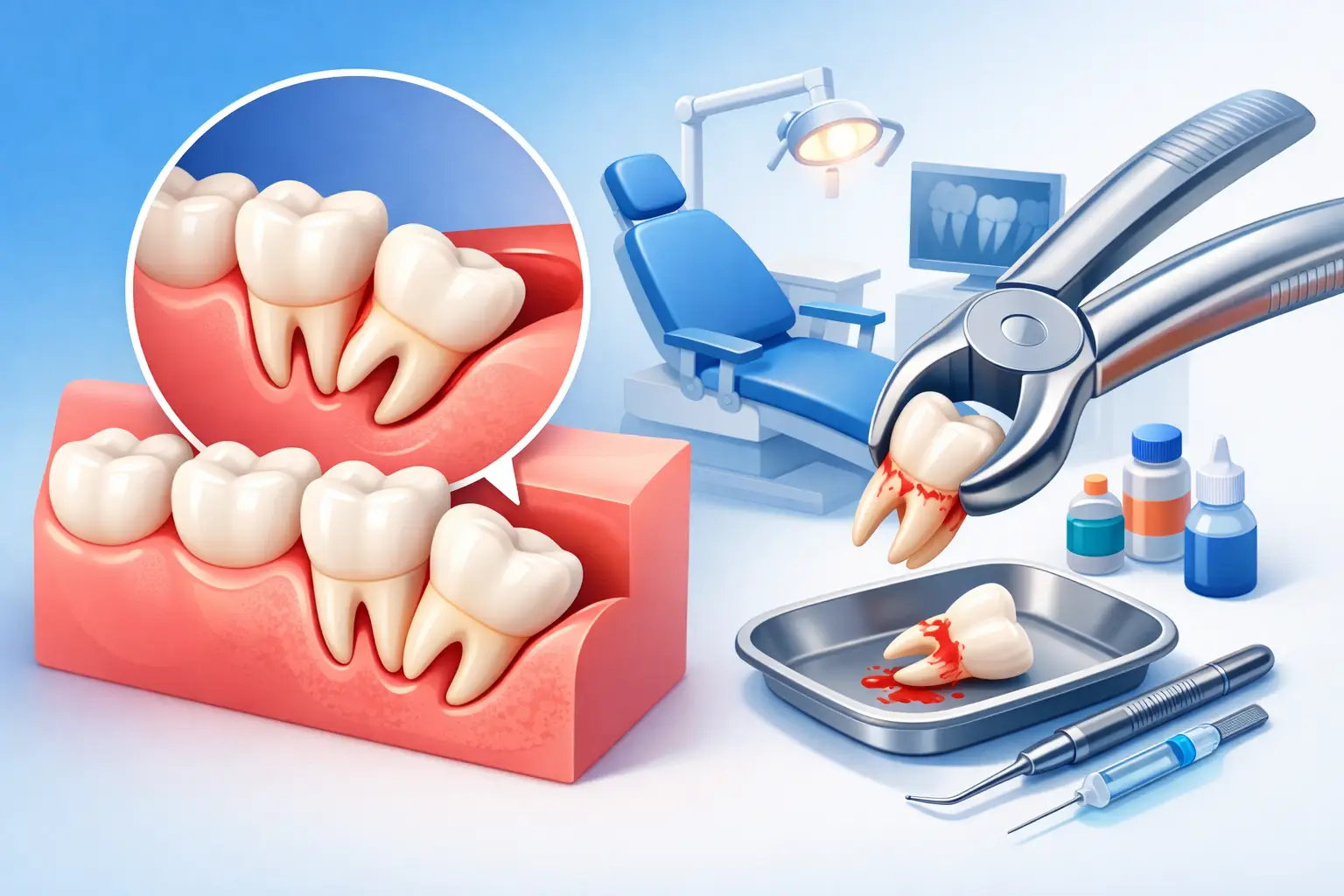
For others, there simply is not enough room in the jaw. That can leave a wisdom tooth trapped under the gum, partly erupted, or angled into the tooth beside it. When that happens, the area becomes harder to clean and more prone to inflammation, decay, gum infection and pressure pain.
This is why there is no one-size-fits-all answer. Not every wisdom tooth needs removal, but a problematic one can affect far more than a single tooth. Left alone, it may contribute to repeated infections, damage to neighbouring teeth, cyst formation, or ongoing discomfort that flares up when you least need it.
A practical guide to wisdom tooth removal decisions
The first step is not booking surgery blindly. It is getting a proper assessment. Your dentist will usually look at your symptoms, examine your mouth, and take imaging to see the position of the tooth, the shape of the roots, and how close it sits to nearby nerves or the sinus.
A recommendation for removal often depends on a few factors. Pain is one reason, but it is not the only one. A wisdom tooth may need to come out if it is repeatedly infected, if food and bacteria keep collecting around a partly erupted flap of gum, if there is decay that cannot be managed well, or if the tooth is putting the one next to it at risk.
Sometimes a wisdom tooth is not causing pain today but is still likely to create problems later. In other cases, watchful monitoring is the better choice. That balance matters. Good care is not about removing every wisdom tooth by default. It is about choosing the option that best supports your long-term oral health.
What happens before the procedure
Once removal is recommended, you will usually be given a treatment plan that explains what is involved, the expected complexity, and the likely cost. This is also the time to talk about your medical history, current medicines, pregnancy, anxiety, and any previous issues with dental treatment or anaesthetic.
Some wisdom teeth are straightforward extractions done in the dental chair with local anaesthetic. Others are more complex surgical removals, especially if the tooth is impacted below the gum or bone. In those situations, a small incision may be needed, and sometimes the tooth is sectioned into smaller pieces to remove it more gently.
If you feel nervous, say so early. Many patients do. A caring dental team should explain each step in plain language and discuss comfort options so the experience feels manageable rather than overwhelming.
What wisdom tooth removal feels like
This is one of the most common concerns, and understandably so. During the procedure itself, the goal is that you feel pressure rather than sharp pain. Local anaesthetic numbs the area well, although the sensations can still feel strange if you have never had a tooth removed before.
You may notice pushing, movement, or vibration. That is normal. The dentist will work carefully to remove the tooth while protecting the surrounding tissues. Once the tooth is out, the site is cleaned and, in some cases, a few stitches are placed to help healing.
The experience varies depending on the position of the tooth. A fully erupted wisdom tooth can often be removed more simply than one buried deep in the jaw. This is another reason why a proper assessment matters. It helps set realistic expectations instead of leaving you worried by worst-case stories.
Recovery after wisdom tooth removal
The first 24 to 72 hours are usually when swelling, tenderness and jaw stiffness are most noticeable. Mild bleeding or oozing on the day is common. Most people manage recovery well with rest, soft foods, pain relief as advised, and a little patience.
Cold packs on the outside of the face can help with swelling. Soft meals such as yoghurt, soup, mashed vegetables, scrambled eggs or smoothies are often easier at first. It is best to avoid smoking, drinking through a straw, vigorous rinsing, and very hot foods in the early stage, because these can disturb the blood clot that protects the healing socket.
Keeping the area clean matters, but gently. Your dentist may recommend a mouth rinse after the first day or give you specific cleaning instructions depending on the type of extraction. Healing times differ, although many people feel noticeably better within a few days and continue improving over one to two weeks.
What can go wrong, and when to call
Most wisdom tooth removals heal without major trouble, but every procedure has some risk. The more common short-term issues are swelling, bruising, restricted opening, and discomfort while the area settles.
A dry socket is one of the better-known complications. This happens when the protective clot at the extraction site breaks down too early, exposing the area underneath. It can cause increasing pain a few days after the extraction and often needs treatment to make you more comfortable.
Infection is possible too, particularly if there was already infection around the tooth before removal. Less commonly, there may be nerve irritation, sinus involvement for some upper teeth, or delayed healing. These risks depend on the exact position of the wisdom tooth and the complexity of the procedure.
You should contact your dentist if bleeding does not settle, pain is worsening rather than improving, swelling becomes severe, you have a bad taste or discharge, or you develop fever or difficulty swallowing. Fast follow-up can make a big difference.
Cost and value – what patients should know
One of the most practical questions is cost, and the answer depends on the tooth. A simple extraction is generally less expensive than a surgical removal of an impacted wisdom tooth. Fees can also vary depending on imaging, anaesthetic needs, aftercare, and whether more than one tooth is being removed at the same time.
The cheapest option is not always the best guide. What matters more is understanding exactly what is included, whether the treatment is appropriate for your case, and whether the plan suits your budget. Clear explanations help you make a decision without feeling rushed.
At a community-focused practice like Riverina Dental Albury, that conversation should feel transparent and practical. Patients often want to know not only what treatment costs today, but also what it may prevent later if a problem tooth keeps flaring up or starts affecting other teeth.
Is it better to remove all four at once?
Sometimes yes, sometimes no. If several wisdom teeth are impacted or likely to become problematic, removing them together may mean one recovery period instead of several. That can be more convenient for work, study, parenting and travel.
On the other hand, not everyone needs all four removed. If one or two are healthy, accessible for cleaning and not damaging nearby teeth, your dentist may recommend leaving them alone and monitoring them over time. Again, it depends on your anatomy, your symptoms, and what the scans show.
How to prepare yourself well
A smoother recovery often starts before the appointment. Plan a quiet day afterwards. Organise someone to drive you if needed. Have soft food ready at home and fill any recommended prescriptions in advance. If you have questions about work, sport, school pick-up, or caring responsibilities, ask before the procedure so you know what to expect.
It also helps to be honest about dental anxiety. Many people put off treatment because they are embarrassed or frightened. There is no need for either. Compassionate dental care means being listened to, having things explained clearly, and moving at a pace that feels safe.
Wisdom tooth removal is rarely anyone’s idea of a good time, but it should not feel mysterious. With a clear diagnosis, gentle treatment and proper aftercare, most people get through it far better than they expected. If the back of your mouth has been giving you trouble, a timely assessment can spare you from a much bigger problem later.