
A tooth that feels a little loose can be easy to dismiss at first. You might blame hard brushing, grinding, or even a bit of stress. But if you are wondering, can gum disease cause tooth loss, the short answer is yes – and it often happens more gradually than people expect.
Gum disease does not usually start with dramatic pain. In many cases, it begins with bleeding when you brush, swollen gums, bad breath that keeps coming back, or tenderness along the gumline. Because the early signs can seem mild, treatment is often delayed until the damage is more advanced.
Can gum disease cause tooth loss over time?
Yes. Gum disease can absolutely lead to tooth loss when the tissues and bone supporting the teeth become damaged. Teeth do not stay in place because of the crown you see above the gum. They rely on healthy gums, ligaments, and jawbone underneath. When infection affects those structures, the tooth can lose its support.
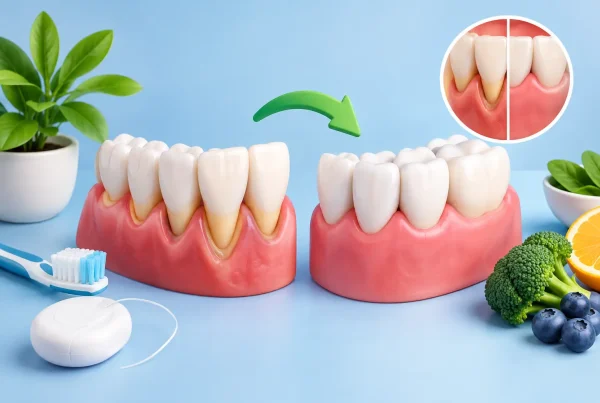
In the early stage, known as gingivitis, the gums become inflamed. They may look redder than usual, feel puffy, or bleed during brushing and flossing. At this stage, the condition is usually reversible with professional care and better home cleaning.
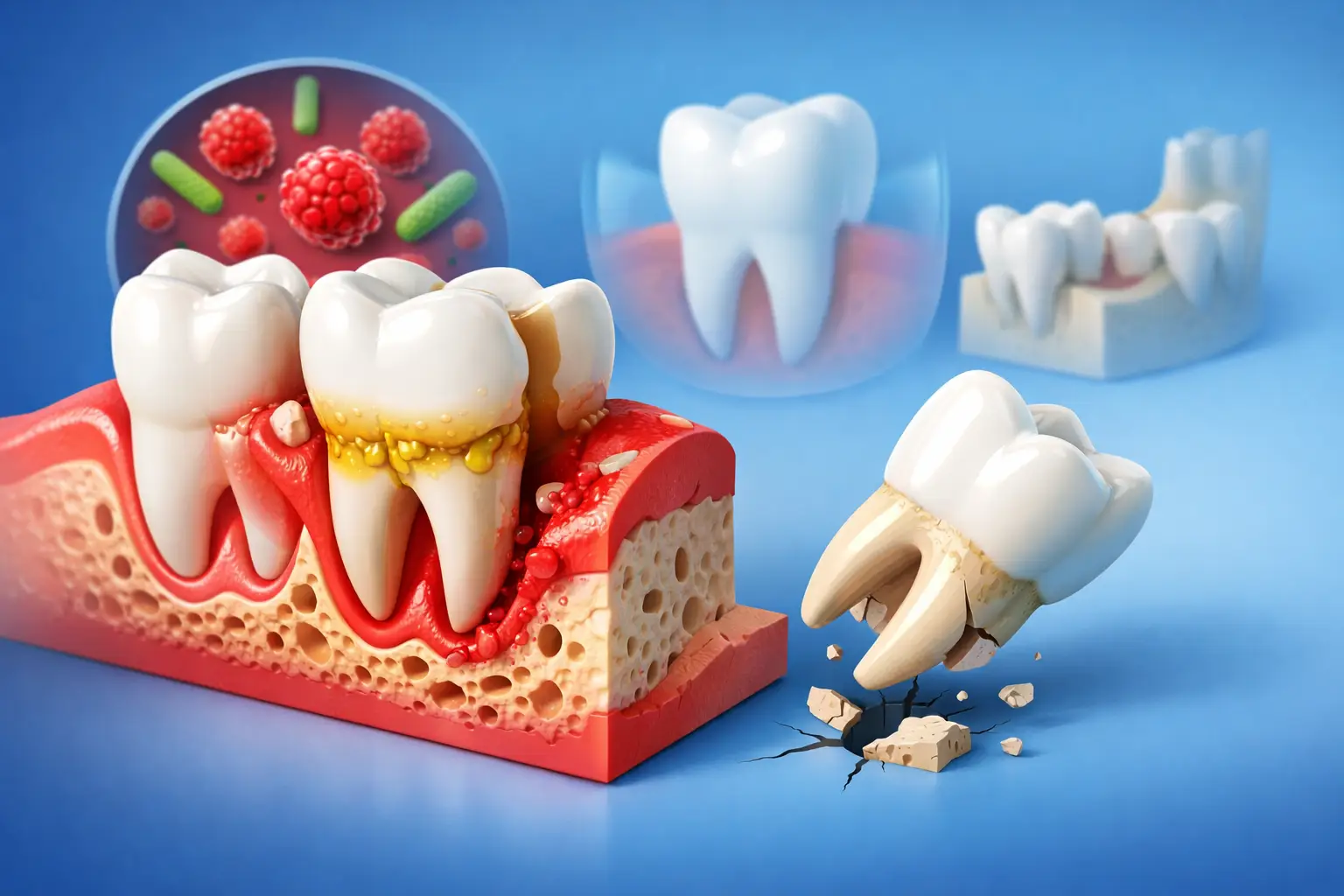
If it progresses to periodontitis, the problem moves deeper. The infection can start to destroy the soft tissue attachment and the bone around the teeth. Pockets form between the tooth and gum, making it easier for plaque and bacteria to collect where a toothbrush cannot reach well. Over time, this weakens the foundation of the tooth. That is when teeth can start shifting, loosening, or eventually falling out.
This is why gum disease is one of the leading causes of tooth loss in adults. The danger is not just the infection itself. It is the ongoing breakdown of the structures that keep the tooth stable.
How gum disease causes tooth loss
It helps to think of a tooth like a post set into the ground. If the soil around it washes away, the post may still look fine for a while, but it is no longer secure. Gum disease works in a similar way.
The bacteria in plaque trigger inflammation in the gums. If plaque is not removed thoroughly, it can harden into calculus, which gives bacteria even more places to cling to. As the infection continues, the body responds with inflammation, and that inflammatory process can damage the surrounding tissues.
At first, you may notice gum recession, where the gums pull away and the teeth appear longer. Then the supporting bone can begin to shrink. In more advanced cases, people notice changes when chewing, spaces appearing between teeth, or dentures and bite patterns no longer feeling quite right. By the time a tooth becomes mobile, the disease is often well established.
Not every loose tooth is lost. That depends on how much support remains, how quickly treatment starts, and whether the underlying cause is controlled. This is one of the reasons early assessment matters so much.
Signs your gums may be putting your teeth at risk
A lot of people expect gum disease to hurt. Often, it does not. That is part of what makes it easy to ignore.
The common warning signs include bleeding when brushing or flossing, swollen or tender gums, persistent bad breath, a bad taste in the mouth, gum recession, sensitivity near the gumline, and teeth that feel different when you bite. In more advanced cases, you may notice a tooth feels loose or that pus is present around the gums.
Bleeding gums are especially easy to brush off, but healthy gums generally do not bleed with normal cleaning. If they are bleeding regularly, that is worth checking. It does not always mean severe disease, but it does mean the gums are inflamed.
Another point many patients are surprised by is that gum disease can affect some areas of the mouth more than others. You might have one loose tooth while the rest seem fine. That does not mean the problem is minor. Localised disease can still be serious.
Who is more likely to lose teeth from gum disease?
Some people are more vulnerable than others, even with similar brushing habits. Smoking is a major risk factor because it reduces blood flow to the gums and can mask bleeding, making disease harder to spot early. Diabetes also increases risk, particularly if blood sugar levels are not well controlled.
Age can play a role, but gum disease is not simply a normal part of getting older. It is more accurate to say the risk builds over time when plaque, inflammation, and missed dental visits add up. Grinding and clenching can also make matters worse by placing extra force on already weakened teeth.
Dry mouth, certain medications, hormonal changes, and a history of gum disease in the family may contribute as well. Sometimes it is a combination of factors rather than one single cause. That is why personalised advice is important. The right treatment plan depends on what is happening in your mouth, your health history, and how advanced the disease is.
Can a loose tooth from gum disease be saved?
Sometimes, yes. A loose tooth does not automatically mean extraction. If the disease is caught early enough and there is still enough supporting bone, treatment may stabilise the tooth and improve the health of the surrounding gums.
This usually starts with a thorough examination, measurements around the gums, and imaging to assess bone support. Professional cleaning below the gumline may be needed to remove bacteria and calculus from periodontal pockets. In some cases, ongoing periodontal maintenance is the key to controlling the condition long term.
If the looseness is partly related to bite pressure or grinding, adjusting how the forces are distributed can help. When the support around a tooth is too compromised, though, saving it may not be realistic. In those cases, the focus shifts to preventing further spread and planning the best way to restore function and appearance.
There is no one-size-fits-all answer here. Some teeth respond very well to treatment. Others are simply too damaged. The sooner the tooth is assessed, the more options you are likely to have.
What treatment looks like when gum disease is advanced
Advanced gum disease treatment is about stopping infection, reducing inflammation, and protecting the remaining teeth. That may involve deep cleaning, more frequent maintenance visits, detailed home care guidance, and in some cases periodontal or restorative treatment.
If a tooth has already been lost, or cannot be saved, replacement options may include a bridge, denture, or dental implant depending on the condition of the gums and bone, your overall oral health, and your budget. There are trade-offs with each option. An implant can feel very natural, but healthy gum and bone support are essential. A denture may be more suitable in other situations. The best path is the one that restores function comfortably and fits your longer-term needs.
For many patients, the emotional side matters too. Tooth loss can affect confidence, eating, speech, and day-to-day comfort. A caring dental team should take that seriously, not just treat it as a clinical issue.
How to lower your risk of tooth loss from gum disease
Prevention is not glamorous, but it works. Thorough brushing twice a day, cleaning between the teeth daily, and regular dental check-ups and cleans make a real difference. If you smoke, getting support to quit can significantly improve gum health. If you have diabetes, good medical management helps your mouth as well as the rest of your body.
It is also worth paying attention to small changes. Gums that bleed, teeth that seem longer, recurring bad breath, or a bite that feels off are all reasons to book an appointment sooner rather than later. Waiting for pain is not a reliable strategy with gum disease.
At Riverina Dental Albury, we often see patients who felt embarrassed they had left things too long. There is no judgement in that. What matters is getting a clear picture of what is happening and starting treatment that feels manageable, gentle, and realistic for your budget.
If you have been asking yourself whether your gums could be affecting your teeth, trust that instinct. A small problem caught early is usually much easier to treat than a loose tooth that has been struggling for months.