
Bleeding when you brush is easy to shrug off, especially if it stops quickly. But it is often one of the earliest signs that your gums need more attention. The best ways to prevent gum disease are usually simple, consistent habits done well – not complicated products or harsh routines.
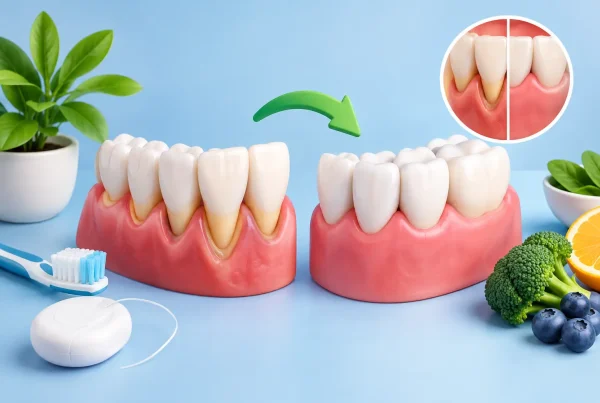
Gum disease starts when plaque sits along the gumline and triggers inflammation. In the early stage, known as gingivitis, gums may look red, feel tender, or bleed during brushing and flossing. Left alone, it can progress and begin to affect the bone and tissues supporting your teeth. That is when treatment becomes more involved, more expensive, and more stressful than it needed to be.
The good news is that prevention works. For most adults, keeping gums healthy comes down to daily home care, regular dental visits, and acting early when something changes.
The best ways to prevent gum disease at home
The foundation of gum health is plaque control. Plaque is a soft film of bacteria that builds up every day, even if your teeth look clean. If it is not removed thoroughly, it hardens into calculus and gives bacteria more places to gather around the gums.
Brushing twice a day matters, but technique matters just as much. A gentle brush angled towards the gumline does a better job than scrubbing hard across the teeth. People often assume firmer brushing means a better clean, but it can irritate the gums and wear down enamel over time. A soft-bristled toothbrush or electric toothbrush is usually the better choice.
Cleaning between the teeth every day is just as important. Your toothbrush cannot reach those tight spaces properly, which means plaque can sit there undisturbed. Floss works well for many people, while interdental brushes can be easier if you have larger spaces, bridges, or orthodontic appliances. The best option is the one you will actually use consistently.
Mouthwash can help, but it should not replace brushing and interdental cleaning. Some antiseptic rinses are useful in specific situations, especially if your gums are inflamed or your dentist has recommended one after treatment. For everyday prevention, though, the basics still do the heavy lifting.
Why regular cleans matter more than many people realise
Even with a solid routine at home, most people miss some areas. That is normal. Over time, plaque that is not removed can harden, and once that happens, it cannot be brushed away at home.
Professional cleans remove this build-up from around the gumline and below it, where gum disease often begins. They also give your dentist or oral health professional a chance to spot small changes early. That might be a pocket forming around a tooth, localised bleeding, or tartar build-up in a hard-to-reach area.
There is no one-size-fits-all schedule for every patient. Some people with low risk and excellent home care may need less frequent maintenance. Others, especially those with a history of gum problems, smoking, diabetes, dry mouth, or crowded teeth, may need to come in more often. It depends on your mouth, your health, and how quickly plaque builds up for you.
Diet, smoking, and the habits that affect your gums
When people think about dental health, they usually think about sugar and decay first. Gum health is a bit broader than that. A diet high in sugary snacks and drinks can still contribute to plaque build-up, but so can frequent grazing and poor hydration.
Drinking enough water helps support saliva, and saliva plays an important role in washing away food particles and balancing the mouth. A dry mouth can increase the risk of both decay and gum problems. Some medications can contribute to dry mouth too, which is worth mentioning at your dental visit.
Smoking is one of the biggest risk factors for gum disease. It affects blood flow to the gums, slows healing, and can mask early warning signs like bleeding. That means gum disease can progress quietly in smokers without looking as obvious at first. If you smoke or vape, it is worth having a direct conversation with your dentist about how it is affecting your gums now, not just in the long term.
Alcohol, stress, and poor sleep can play a role as well. They do not cause gum disease on their own, but they can influence inflammation, immunity, and daily habits. Prevention is not just about one perfect toothbrush routine. It is about the overall pattern.
Best ways to prevent gum disease if you have braces, bridges, or implants
Some mouths need a bit more strategy. Braces, fixed retainers, bridges, crowns, and implants can all create extra spots for plaque to collect. That does not mean gum disease is inevitable. It just means your cleaning routine may need to be more tailored.
With braces or permanent retainers, small interdental brushes and floss threaders can make a big difference. If you have a bridge or implant, you may need special floss or other aids to clean underneath and around the restoration properly. Patients are sometimes told to floss daily without being shown how to do it around their specific dental work, and that can lead to frustration.
If something in your mouth makes cleaning awkward, ask for a demonstration. A few minutes of personalised advice can save months of irritation later.
Know the early warning signs
One of the best ways to prevent gum disease from becoming serious is to act early. Gums should not regularly bleed, feel puffy, or look noticeably red. Persistent bad breath, tenderness when flossing, or gums pulling away from the teeth can also be signs that something is brewing.
Pain is not always present in early gum disease, which is why people often put it off. If your mouth feels mostly fine, it is easy to assume nothing is wrong. Unfortunately, gum problems can progress quietly.
The earlier it is treated, the simpler treatment tends to be. Early-stage gingivitis can often improve significantly with a professional clean and better home care. More advanced gum disease may require deeper treatment, closer monitoring, and long-term maintenance.
Medical conditions and life stages can change your risk
Gum disease is not only about oral hygiene. Your overall health matters too. People with diabetes, hormonal changes, autoimmune conditions, or medications that affect the gums may be at higher risk.
Pregnancy is one common example. Hormonal changes can make gums more reactive to plaque, which means even a routine level of build-up can trigger more inflammation than usual. That does not mean gum disease is guaranteed, but it does mean preventive care is especially worthwhile during that time.
If you have noticed changes in your gums after starting new medication, during pregnancy, or while managing a medical condition, mention it. These details help shape the right prevention plan.
When prevention needs professional support
Sometimes people do all the right things and still struggle with inflamed gums. That can happen if there is calculus under the gums, crowded teeth creating plaque traps, old restorations catching debris, or a history of periodontal disease that needs active maintenance.
This is where personalised care matters. A generic routine from the back of a toothpaste box only goes so far. If your gums keep bleeding despite regular brushing and flossing, it is worth getting assessed rather than changing products over and over.
A good dental team should explain what they are seeing in plain language, show you where the trouble spots are, and recommend treatment that matches both your needs and your budget. At Riverina Dental Albury, that kind of gentle, practical support is exactly what many local patients are looking for – especially if they have been putting it off because they feel nervous or unsure what to expect.
A realistic routine you can stick with
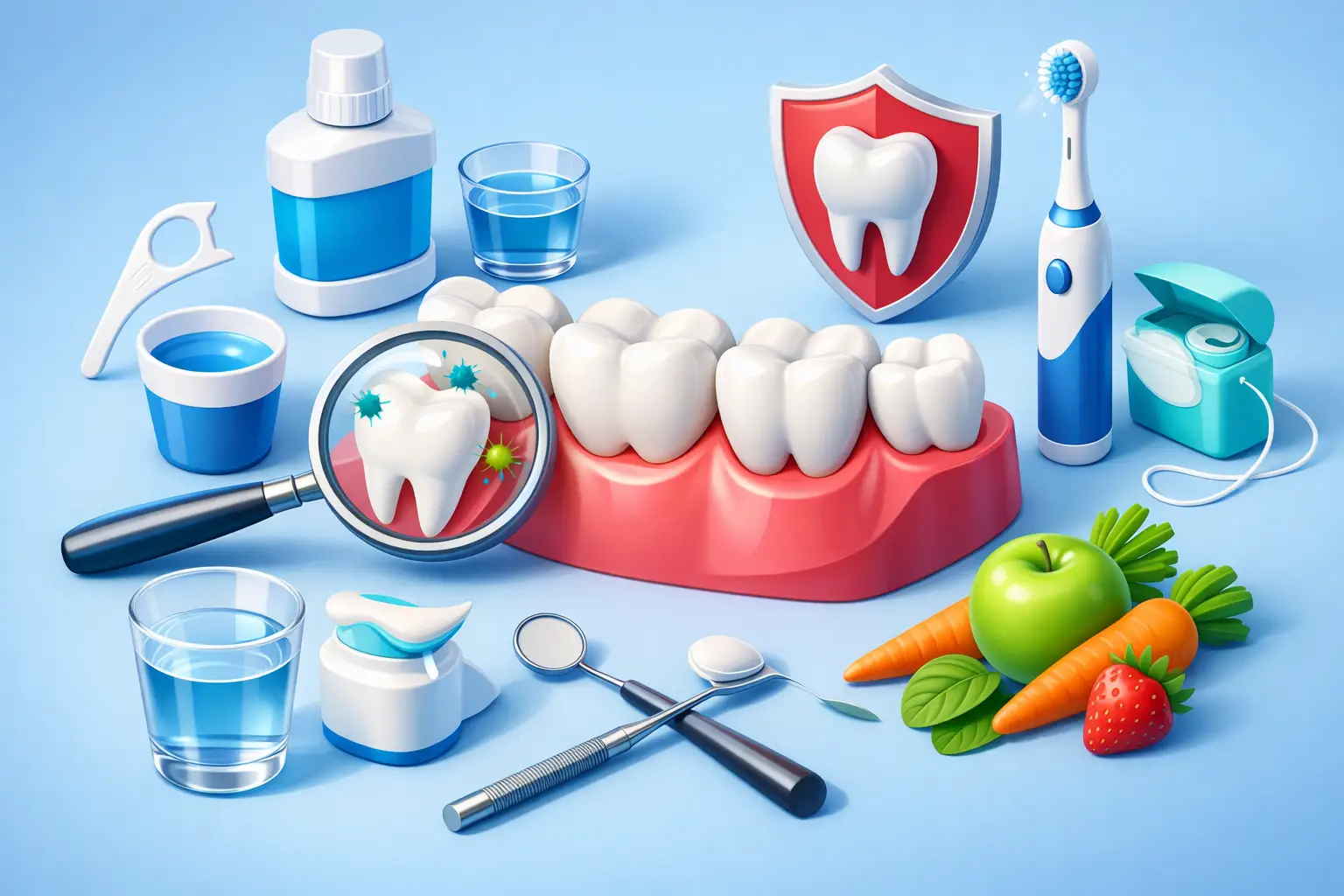
The best prevention plan is one you can maintain when life gets busy. For most adults, that means brushing twice a day with a soft brush and fluoride toothpaste, cleaning between the teeth once a day, drinking plenty of water, staying on top of regular dental visits, and getting advice early if your gums start to bleed or feel different.
You do not need an overcrowded bathroom shelf or a complicated ten-step routine. You need consistency, the right technique, and a dentist who helps you catch problems early.
Healthy gums rarely ask for much attention when they are doing well. Keep showing up for them anyway, and they are far more likely to keep your teeth strong and comfortable for the long haul.