
Missing a tooth changes more than your smile. It can affect how you chew, how clearly you speak, and how confident you feel when you laugh or meet someone new. Dental implants are one of the most reliable ways to replace missing teeth because they are designed to feel secure, look natural and support long-term oral health.
For many people in Albury-Wodonga, the main question is not whether implants work. It is whether they are the right fit for their mouth, their health and their budget. That is where clear advice matters. Implant treatment is highly effective, but it is not one-size-fits-all.
What are dental implants?
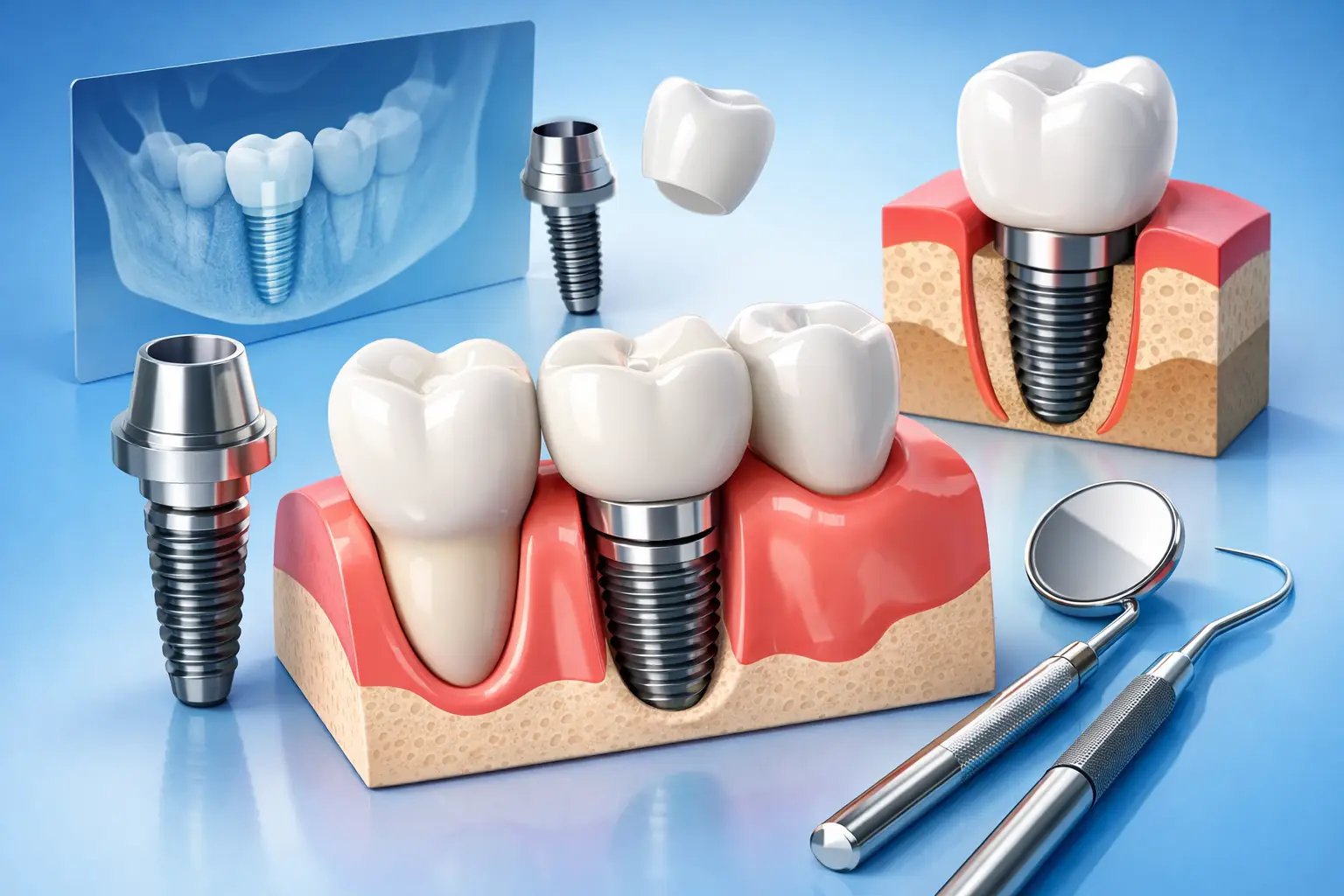
Dental implants are small titanium posts placed into the jawbone to act like artificial tooth roots. Once the implant has healed and bonded with the bone, it can support a crown, bridge or denture depending on how many teeth need to be replaced.
The reason implants feel different from some other options is simple. They are anchored in the jaw rather than sitting on top of the gums or relying on neighbouring teeth for support. That often means better stability when eating and speaking, and a result that feels more like your own teeth.
If you have lost one tooth, an implant can support a single crown. If you are missing several teeth, implants may support a bridge. For people with full or near-full tooth loss, implant-supported dentures can offer a more secure alternative to traditional dentures.
Why patients choose dental implants
The biggest advantage of dental implants is that they replace the tooth root as well as the visible tooth. That can help maintain the bone in your jaw after tooth loss. Without a tooth root in place, the bone in that area can gradually shrink over time.
Implants can also help preserve the teeth around the gap. Unlike some bridges, a single implant usually does not require reshaping the neighbouring teeth. Many patients appreciate that more conservative approach.
There is also the everyday comfort factor. A well-planned implant restoration can make chewing easier and reduce the movement or rubbing that some denture wearers struggle with. Aesthetics matter too. When carefully designed, implant crowns and bridges are made to blend with the shape and colour of your natural teeth.
That said, implants are not automatically the best option for every patient. A bridge or denture may be more suitable in some cases, especially if treatment needs to be completed more quickly, if bone volume is limited, or if cost is the main deciding factor.
Who is suitable for dental implants?
A good candidate for implants usually has healthy gums, enough bone to support the implant, and a commitment to maintaining oral hygiene after treatment. General health matters as well. Some medical conditions, medications and smoking habits can affect healing.
This does not mean implants are off the table if your situation is more complex. It simply means planning becomes more important. Some patients need gum treatment before implant placement. Others may need bone grafting if the jawbone has thinned after years of tooth loss.
An assessment is the best place to start because suitability depends on more than the gap in your smile. Your bite, gum health, bone levels and long-term goals all need to be considered together.
The dental implants process
Treatment usually starts with a consultation, examination and imaging. This helps your dentist assess the bone, identify any issues such as decay or gum disease, and map out the safest position for the implant.
If an implant is appropriate, the next step is placement of the titanium post into the jawbone. This is typically done under local anaesthetic, and many patients are surprised by how manageable the appointment feels. Some tenderness afterwards is normal, but most people return to normal activities quite quickly.
Healing takes time because the implant needs to bond with the bone in a process called osseointegration. This can take several months. During this period, you may wear a temporary tooth replacement depending on the area being treated and the treatment plan.
Once healing is complete, an abutment and final restoration are fitted. That may be a crown for a single tooth, or another prosthesis if multiple teeth are being replaced. The final result should sit comfortably, function well and match your smile as closely as possible.
How long do dental implants last?
Dental implants are designed as a long-term solution, and many last for many years with proper care. The implant itself can remain stable long term, but its success depends on the health of the surrounding gum and bone.
This is why maintenance matters. Daily brushing and cleaning between teeth are essential, and regular dental reviews help identify any signs of inflammation early. While implants cannot get decay, the tissues around them can still become infected if plaque builds up.
It is also worth remembering that the crown or denture attached to the implant may need maintenance or replacement over time due to normal wear. In other words, implants are durable, but they are not set-and-forget.
What about pain and recovery?
This is one of the most common worries, especially for anxious patients. In most cases, implant placement is more comfortable than people expect. Local anaesthetic is used during the procedure, and post-operative discomfort is usually managed with standard pain relief and a short period of softer foods.
Recovery can vary depending on whether the implant is straightforward or combined with extractions, grafting or more complex restorative work. Some people feel back to normal in a day or two. Others need a little longer. The key is careful planning and clear aftercare instructions.
A gentle approach makes a real difference here. When patients understand what will happen, what sensations are normal, and when to call for help, the process tends to feel much less overwhelming.
Cost, value and treatment options
The cost of dental implants depends on several factors, including the number of implants needed, whether extractions or bone grafting are involved, and the type of final restoration. That is why a proper assessment matters. A quote based only on a quick phone enquiry rarely tells the full story.
Implants do involve a higher upfront cost than some alternatives, but they can offer strong long-term value when they are the right treatment. Stability, comfort and durability are often major reasons patients choose them.
At the same time, budget matters for many households, and that should be part of the conversation from the start. A good treatment plan is not just clinically sound. It is realistic. In some situations, staging treatment or considering a bridge or denture first may be the better path.
This is where a personalised, budget-conscious approach can help patients feel more in control. At Riverina Dental Albury, that means talking through your options clearly, explaining the pros and cons, and helping you weigh immediate needs against longer-term outcomes.
Dental implants compared with bridges and dentures
If you are deciding between implants and other tooth replacement options, the right answer depends on your mouth and your priorities.
A bridge may be a good solution when the teeth next to the gap already need crowns, or when you want a fixed option without surgery. The trade-off is that neighbouring teeth often need to be prepared. A denture may be more affordable and quicker to provide, especially when several teeth are missing, but it may feel less secure and may need more adjustment over time.
Dental implants usually offer the most natural feel and the best support for the jawbone, but they require surgery, healing time and a larger initial investment. For many patients, that extra planning is worthwhile. For others, another option may be more practical.
Looking after implants for the long term
Once your implant is in place, good habits protect your investment. Brushing twice a day, cleaning around the implant properly and attending regular check-ups all matter. If you grind your teeth, a splint may also be recommended to reduce excess pressure.
Smoking can increase the risk of implant problems, particularly during healing. If you smoke, your dentist may talk with you about how this affects treatment success and what can be done to lower the risk.
Most importantly, do not ignore bleeding gums around an implant. Early inflammation can often be managed, but waiting too long can make treatment more difficult.
When to ask about dental implants
If you have a missing tooth, a loose denture, a failing bridge, or a tooth that may need to be removed, it is worth asking whether implants are an option. Even if you are not ready to proceed straight away, early advice can help you plan ahead and avoid choices that may limit future treatment.
The best time to talk about tooth replacement is often sooner than people think. Bone and gum changes can happen gradually after tooth loss, and those changes can affect your options later on.
A confident smile matters, but so does being able to eat comfortably, speak clearly and trust that your teeth will keep up with everyday life. The right implant treatment should support all of that, while still fitting the person behind the smile.