
A lot of people put off the dentist for the same reason – not fear, not time, but the worry about how they will pay for treatment when life is already expensive. If you have been searching for dental payment plans available, you are probably not looking for anything fancy. You want clear options, honest costs, and a way to get the care you need without putting your household budget under strain.
That is a very reasonable place to start. Dental treatment is not one-size-fits-all, and payment options should not be either. For some patients, a simple clean and check-up is easy to manage upfront. For others, especially when treatment involves crowns, implants, dentures, orthodontics or urgent care, spreading the cost can make the next step feel far more achievable.
Why dental payment plans available matter
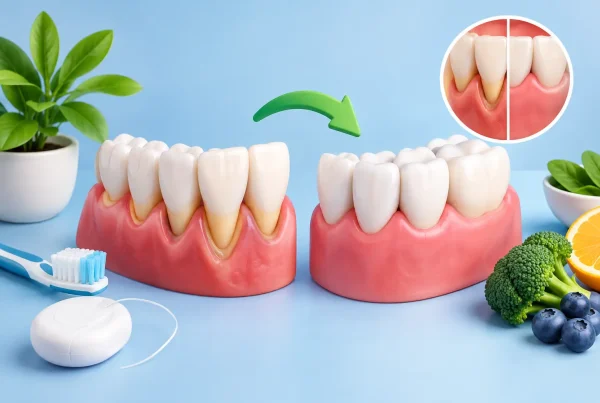
Delaying dental care often makes a smaller problem more expensive later. A cavity that could have been treated with a filling may turn into pain, infection, or the need for root canal treatment or extraction. Gum issues can also become harder to manage when they are left too long.
That is why having dental payment plans available can make such a difference. They give patients more flexibility to move ahead with recommended treatment at the right time, rather than waiting until the problem becomes urgent. For families, retirees, busy workers, and anyone juggling other expenses, that flexibility can remove a major barrier to care.
Just as importantly, payment plans can reduce the stress around decision-making. When you understand both your treatment options and the likely costs, it becomes easier to choose a plan that supports your oral health without feeling overwhelmed.
What a dental payment plan usually covers
A payment plan is simply a way to spread the cost of eligible dental treatment over time instead of paying the full amount upfront. The exact structure depends on the provider and the type of treatment, but the idea is straightforward – it helps make care more manageable.
In many cases, payment plans are used for treatments that involve a higher total cost or multiple appointments. This can include restorative work such as crowns, bridges, dentures and implants, as well as orthodontic care like braces or Invisalign. Cosmetic treatment may also be included, depending on the arrangement.
Some plans are suitable for shorter-term needs, while others are better for more complex treatment that is delivered in stages. If a patient requires a combination of services, such as periodontal treatment followed by restorative work, the finance approach may need to match that treatment timeline.
It depends on the treatment, the timing, and your budget
Not every patient needs finance, and not every treatment should be approached the same way. If your care is relatively simple, paying per visit may be the easiest option. If the treatment is more extensive, a staged plan with structured payments may be more practical.
This is where a personalised treatment plan matters. A good dental clinic will not just talk about the clinical side. They should also explain what is urgent, what can wait, and what options may help you keep treatment within budget. Sometimes that means tackling immediate pain first and planning the rest over time. Sometimes it means comparing two suitable treatment pathways with different costs and maintenance needs.
For example, a patient replacing missing teeth may be weighing up dentures, bridges, or implants. Each option has different upfront costs, different long-term considerations, and different suitability depending on oral health, comfort and goals. The right choice is not always the cheapest one, but it should be one you can realistically manage.
Questions to ask when looking at dental payment plans available
If you are comparing finance options, it helps to ask a few practical questions before you commit. The first is whether the plan applies to your recommended treatment. The second is how repayments are structured and whether there are any fees, interest charges, or approval requirements.
It is also worth asking what happens if your treatment changes. Dental care can sometimes shift once a full examination is complete or if an urgent issue is found. You want to understand whether your payment arrangement is flexible enough to account for that.
Another important question is whether the clinic will provide a written treatment plan with costs clearly set out. That kind of transparency matters. It helps you make an informed decision and gives you a chance to talk through priorities, timing and alternatives before going ahead.
What to expect from a patient-first conversation
Money can be an uncomfortable topic, especially when you are already dealing with pain, worry, or embarrassment about your teeth. A patient-first clinic understands that. You should be able to ask about costs and finance without feeling pressured or judged.
A helpful conversation usually starts with your dental needs, not with a sales pitch. After an assessment, the dentist can explain what treatment is recommended, what the likely outcomes are, and how soon it should be done. From there, the discussion can move into costs, available payment pathways, and whether treatment can be staged if needed.
At Riverina Dental Albury, that kind of conversation matters because patients are not just looking for technical care. They want someone who listens, explains things clearly, and works with them to find a realistic way forward. That is especially important for anxious patients and households trying to balance health costs with everything else life throws up.
Dental payment plans available for larger treatment needs
Flexible finance is often most useful when treatment is more involved. If you need multiple procedures over several visits, the total can feel daunting even when the treatment is necessary and worthwhile.
This often applies to restorative and long-term care. Dentures, dental bridges, implants, aligner treatment, braces, and major rehabilitation work are common examples. These treatments can improve function, comfort and confidence, but they also require planning. Being able to spread payments may mean you can begin sooner and stick with the treatment plan rather than delaying care year after year.
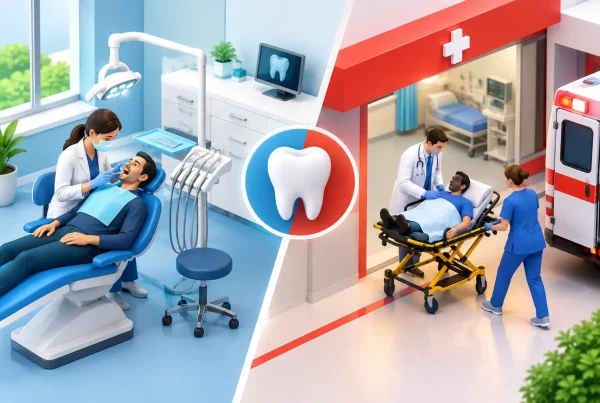
Emergency dental care can also create financial pressure because it is unexpected. Nobody plans for a cracked tooth on a weekend or a sudden infection before work on Monday. In those moments, quick access to treatment matters most, but knowing there may be finance options available can provide some breathing room.
The value of transparent planning
Flexible payment matters, but it should sit alongside careful treatment planning, not replace it. The goal is not simply to fit treatment into a repayment schedule. The goal is to make sensible decisions that protect your oral health now and in the future.
That means looking beyond the initial fee. Some treatments are lower cost upfront but may need more maintenance or earlier replacement. Others involve a bigger starting cost but may offer better durability or function over time. There is no universal answer. Age, oral health, habits, goals and budget all play a part.
When your dentist explains those trade-offs clearly, you can weigh the bigger picture. That is often far more helpful than chasing the cheapest quote and hoping for the best.
How to decide if a payment plan is right for you
A payment plan may be worth considering if you have necessary treatment that you would otherwise delay, if you are planning a larger course of care, or if paying a lump sum would put too much pressure on your finances. It can also be useful when you want to preserve savings for other household needs while still getting dental work done promptly.
That said, it is still wise to look at the details carefully. Make sure repayments are realistic for your situation. Ask about timeframes, terms and any extra costs. The best arrangement is one that helps you move ahead with confidence, not one that creates another source of stress.
If you are unsure, start with a consultation. A clear diagnosis and written treatment plan will give you a much better basis for comparing options and deciding what feels manageable.
Good dental care should feel accessible, not out of reach. When treatment is explained properly and costs are handled with honesty, it becomes much easier to take that first step and look after your health without putting it off any longer.