
A missing tooth can change more than the look of your smile. It may make chewing awkward, affect the way you speak, or allow neighbouring teeth to gradually shift into the gap. This guide to dental bridge procedure explains what happens at each stage, how to prepare, and how to care for your new restoration once it is in place.
A dental bridge is a fixed replacement for one or more missing teeth. It is designed to restore function and appearance while supporting the balance of your bite. For many people, it is a practical option that can be completed without the surgical treatment involved with dental implants.
When a dental bridge may be recommended
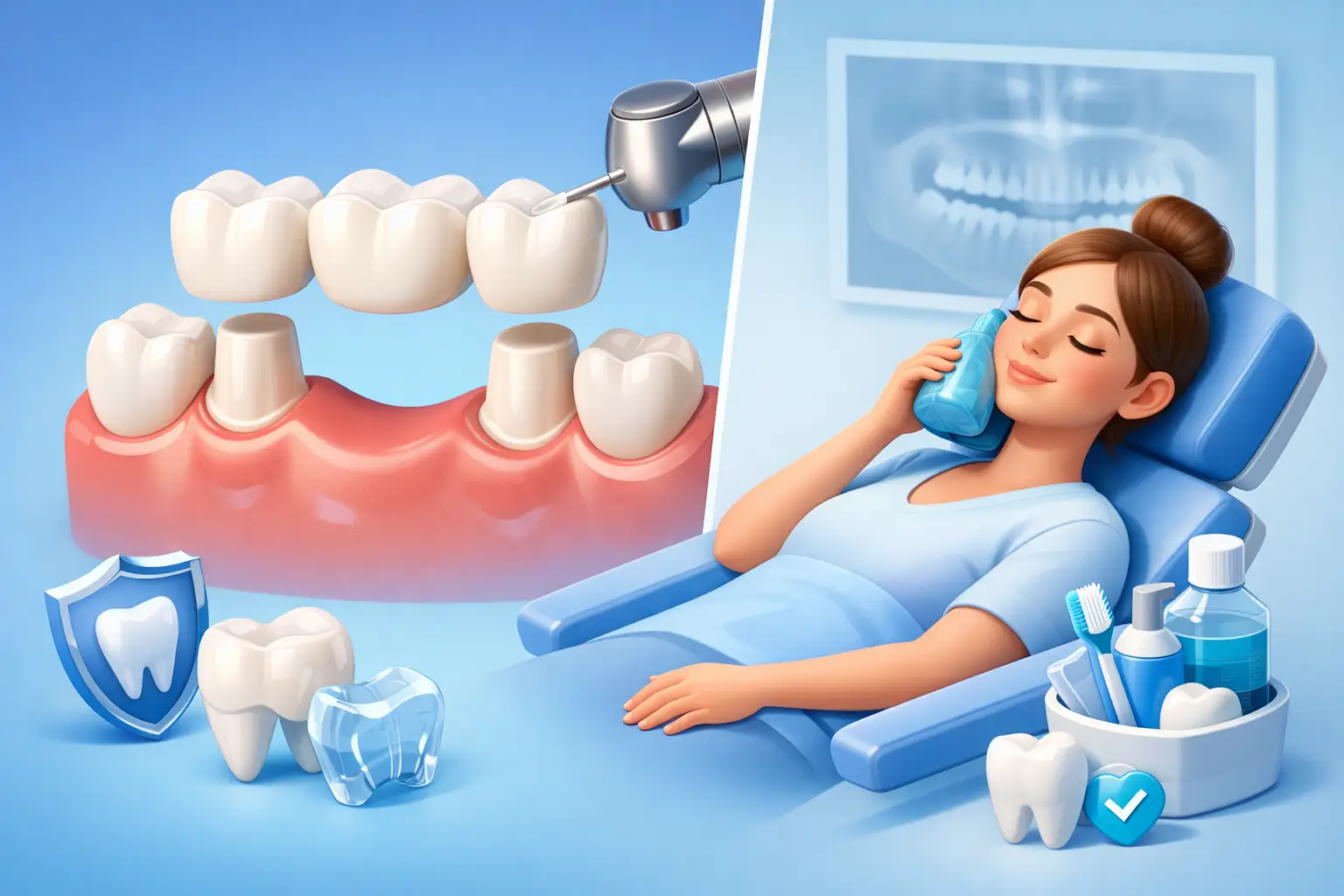
A bridge is often considered when a tooth has been lost through decay, gum disease, injury or an unsuccessful previous restoration. The replacement tooth, known as a pontic, sits in the space left behind. It is usually supported by crowns on the teeth beside the gap, or in some cases by dental implants.
Whether a bridge is right for you depends on the condition of your remaining teeth and gums, the position of the missing tooth, your bite and your longer-term goals. A bridge can be an excellent solution where the neighbouring teeth already need crowns. However, if those teeth are healthy and untouched, an implant or another option may be worth discussing before they are prepared for a bridge.
At your consultation, your dentist will assess the area carefully, often using X-rays, and talk through choices that suit your oral health and budget. There is no one-size-fits-all answer. The best treatment is the one that feels manageable now and protects your smile over time.
Guide to dental bridge procedure: what happens first
The first appointment is about planning as much as treatment. Your dentist will examine the missing-tooth area, check the supporting teeth and gums, and look at how your upper and lower teeth meet. Existing decay, infection or active gum disease needs to be addressed before a bridge is fitted, as a bridge relies on a healthy foundation.
You will also discuss the type of bridge being considered. A traditional bridge is supported by crowns on both sides of the gap. A cantilever bridge may use support from one side only, although it is not suitable for every area because it can place extra force on the supporting tooth. An implant-supported bridge uses implants rather than natural teeth for support. The right design depends on the location of the gap and the strength of the surrounding teeth.
Your dentist will explain expected costs, appointment timing and payment options before treatment begins. If you feel nervous about dental work, say so early. Gentle care, clear explanations and planned breaks can make a real difference to the experience.
Preparing the supporting teeth
For a conventional bridge, the teeth either side of the gap are shaped so crowns can fit over them. Local anaesthetic is used to numb the area, so you should not feel pain during preparation. You may notice pressure, vibration and water from the dental instruments, but your dentist can pause whenever you need a moment.
A small amount of enamel is carefully removed from each supporting tooth. If a tooth already has a large filling or an old crown, this preparation may be a sensible part of restoring it. If the teeth are completely healthy, it is particularly worthwhile to understand the trade-off: once a tooth is prepared for a crown, it will always need a crown or similar restoration in the future.
After the teeth are prepared, your dentist takes a detailed impression or digital scan. This is used by the dental laboratory to create a bridge that fits your bite and matches the shade and shape of your natural teeth as closely as possible.
The temporary bridge period
A temporary bridge is commonly placed while the final restoration is being made. It protects the prepared teeth, helps you get used to the shape of the replacement tooth and maintains the space. Temporary material is not as strong as the final bridge, so take care with hard, sticky or chewy foods.
Avoid biting into foods such as crusty bread, apples or lollies with the temporary bridge. Choose softer meals for the first day if your mouth feels tender, and chew on the other side where possible. If the temporary bridge feels loose, cracks or comes off, contact your dental clinic rather than trying to glue it back yourself.
Fitting your final dental bridge
At the fitting appointment, the temporary bridge is removed and the final bridge is tried in. Your dentist checks the fit at the gumline, the colour, the contact with nearby teeth and your bite. This stage matters because even a small high spot can make a new bridge feel uncomfortable when you chew.
If everything is correct, the bridge is cemented in place. The appointment is usually straightforward, although you may need a little time to adjust to the feel of the new tooth. Your tongue and cheek will notice it immediately, but most people find it begins to feel natural within days or a few weeks.
Call your dentist if you have ongoing pain, a bite that feels uneven, sensitivity that does not settle, or pressure when chewing. Do not assume you simply have to get used to discomfort. A prompt adjustment can protect the supporting teeth and make the bridge more comfortable.
Recovery and eating after a bridge procedure
Recovery after a bridge procedure is generally mild. If local anaesthetic has been used, wait until the numbness has worn off before eating so you do not accidentally bite your lip, cheek or tongue. Some tenderness around the gums and mild sensitivity to hot or cold drinks can occur after tooth preparation, especially in the first few days.
Once the final bridge is fitted, start with foods that are easy to chew and build up as comfort returns. A bridge is made for normal daily eating, but no dental restoration is indestructible. Try not to bite ice, pens, fingernails or very hard lollies. If you grind or clench your teeth, a custom night splint may help protect both your bridge and natural teeth.
Pain that is severe, worsening or accompanied by swelling should be assessed promptly. While uncommon, it can indicate that a supporting tooth or the gums need further attention.
Keeping a dental bridge clean
The visible part of a bridge cannot decay, but the natural supporting teeth and gums still can. The area beneath the replacement tooth is especially important because food debris and plaque can collect there. Good cleaning is what helps a bridge last.
Brush twice daily with a soft toothbrush and fluoride toothpaste, paying attention to the gumline around the crowns. Your dentist or hygienist can show you how to clean under the pontic using floss threaders, super floss or an interdental brush. The best tool depends on the shape of your bridge and the space beneath it, so personalised advice is more useful than guessing.
Regular check-ups and professional cleans allow your dentist to monitor the cement seal, supporting teeth, gums and bite. With careful home care and routine maintenance, many bridges last for years. Their lifespan varies, though, and depends on factors such as tooth grinding, diet, gum health and how consistently the bridge is cleaned.
Questions to ask before choosing a bridge
Before proceeding, ask what type of bridge is being proposed, which teeth will support it and whether those teeth need crowns anyway. It is also sensible to ask how long the bridge is expected to last, what cleaning will involve, and what alternatives may suit your situation.
You may also want to compare a bridge with an implant or removable denture in terms of cost, treatment time and maintenance. An implant can preserve neighbouring healthy teeth but requires surgery and a longer treatment timeline. A denture is often the more affordable option initially, but it is removable and may feel less stable. A bridge sits between these options for many patients, offering a fixed solution without implant surgery.
A well-planned bridge should feel like part of your smile, not a compromise you have to tolerate. If you are considering treatment in Albury-Wodonga, Riverina Dental Albury can talk you through the options gently and clearly, so you can make a decision that feels right for your health, comfort and budget.